The Alto Tajo month by month
The Alto Tajo in July: cool shade, gorges and starry nights
In July the Alto Tajo serves as a natural refuge from the scorching heat of the surrounding plateau: canyon depths provide deep shade, river waters remain refreshingly cold, and nights are crisp. The month sees higher visitor numbers, ideal for riverbank strolls and dark-sky stargazing.
- Refuge from heat
- Shaded routes
- Starry nights
- Wildfire risk
- Avg. max (°C)
- 30 °C
- Avg. min (°C)
- 16 °C
- Rainfall (mm)
- 18 mm
- Frost days
- 0
Average of 110 atlas villages (ERA5, 2015–2024). The coldest in july is Labros (14 °C average minimum) and the mildest, Trillo (34 °C average maximum).
Things to do
Walk canyon floors early in the morning and enjoy midday breaks in riverside recreation areas shaded by poplars. Afternoons are well suited for visiting local heritage museums and visitor centers.
Wildlife
At dusk, bats hunt over the river surface, and on warm nights, nightjars call from scrub clearings. Vultures ride midday thermal updrafts above the crags.
Wildfire risk
Period of maximum fire danger. Never light open fires or campstoves in the countryside; check active forestry restrictions and respect track closures. Carry all rubbish out with you.
Practical tips
Confirm on canondeltajo.es if your intended parking area requires advance booking. Avoid midday hours for walks across open parameras, where there is no shade.
The night sky in july
Peak season for dark-sky astrotourism: comfortable night temperatures, the Milky Way arching high in the south, and by late July, the first Perseid meteors.
Traces of time in this season
The season changes how you see these places. Their stories belong to other scales of time: from the formation of the landscape to the work and lives of those who inhabited it.
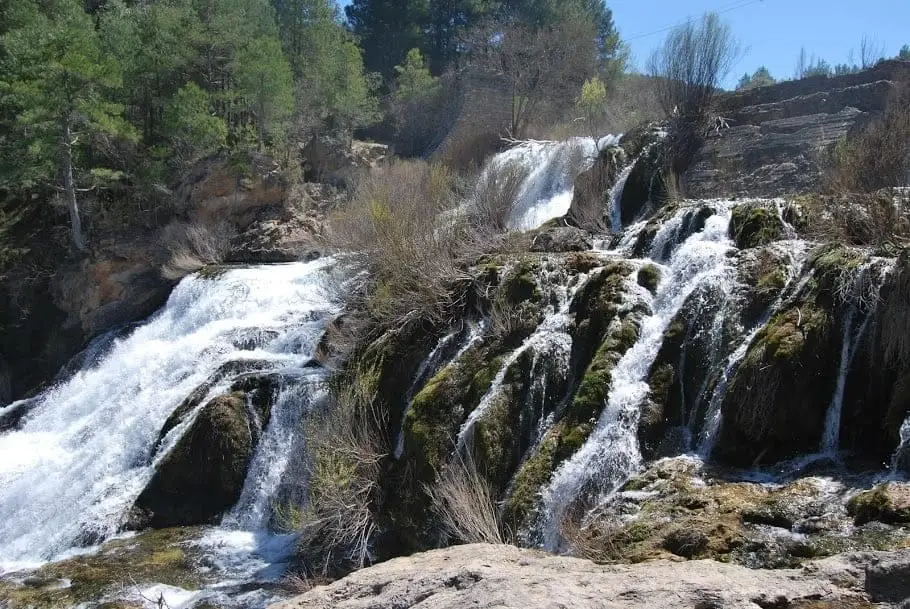
Salto de Poveda: The Largest Waterfall in Alto Tajo
Poveda de la Sierra, Taravilla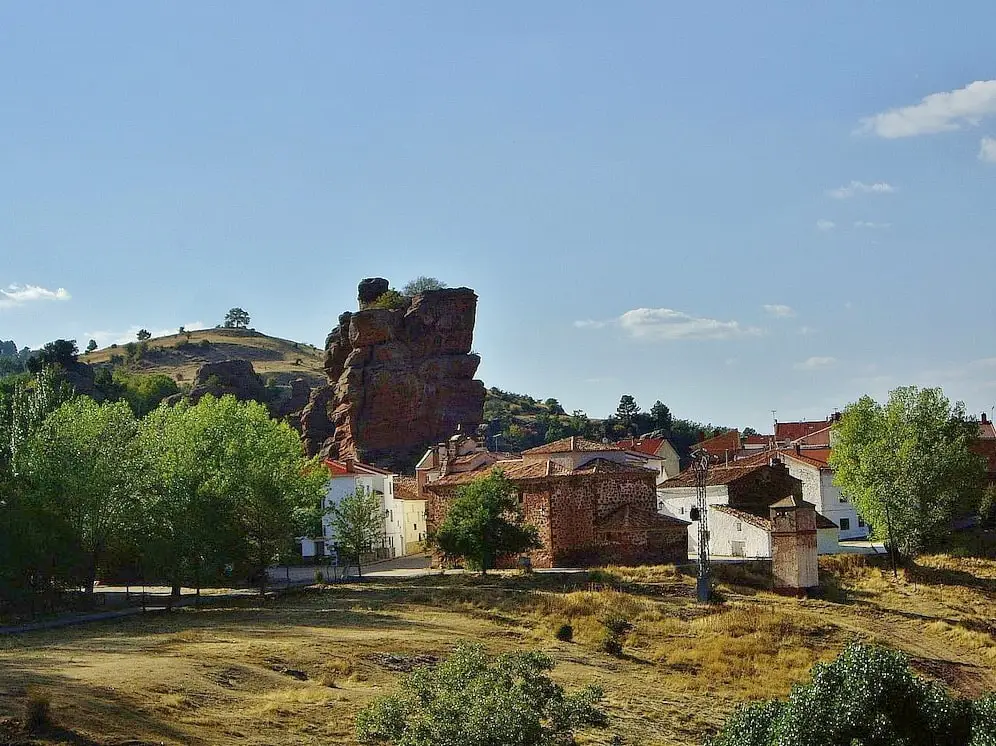
Chequilla
Guadalajara · 7 places
Dehesa de Corduente Visitor Centre
CorduenteContinue reading: Before us.
To visit: Walk early, confirm parking reservations, and do not expect shade throughout the walk. Check visitor centre opening as an alternative.
Check the conditions on each guide or start with the getting started guide.
Preguntas frecuentes
Is the river water cold in the Alto Tajo?
Yes. Much of the flow emerges directly from deep karst aquifers and springs, keeping water temperatures chilly even at the height of summer.