Getting started
Start reading the Alto Tajo
You can begin with an era, with a personal story, or with a place you already know. These entry points follow the flow of time and connect stories with the rocks, buildings, archives, and trades that preserve their traces.
If you prefer listening to people's voices, open The women who also spoke for the village or the story of Paulino and Silveria. If your starting point is a place, look it up on the map and follow its connections.
Each chapter gathers places from a layer of time. You can read them from home or choose one to visit in person. The atlas spans the Natural Park, the historical Señorío de Molina, and adjacent valleys in Cuenca.
To understand how villages connect with each other, explore Lands and landscapes: Molina and its sexmas, the historic lands of Cuenca and the Ducado, or the memory of the highlands, the canyon, the juniper forests, and the parameras.
You can also follow the thread of water: from the headwaters of Albarracín to Molina, the salt pans, and the canyon. Each river connects villages and histories, and branches out through its tributaries.
Deep time
Before us: the time of stones
Read first how this land was formed. Then discover in the red sandstone of the Hoz gorge, the rock towers of Los Milagros, and the tufa cliffs of La Aguaspeña traces of distinct processes: each landscape tells its own chapter.
Explore this layer → · Read the story →
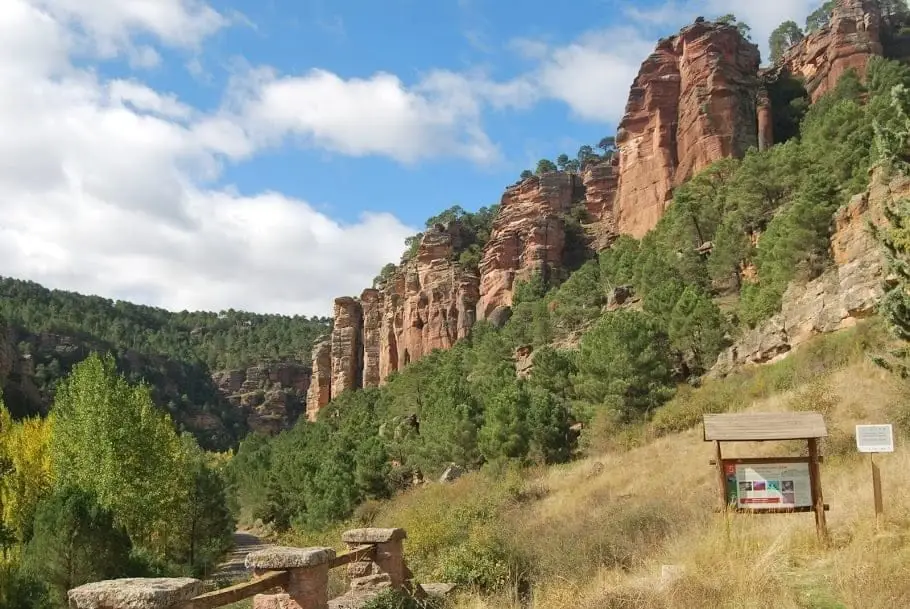
Barranco de la Hoz: the red canyon of the Gallo River
Corduente, Ventosa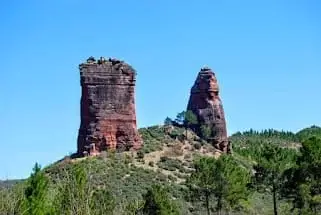
Valle de los Milagros: red sandstone towers in Riba de Saelices
Riba de Saelices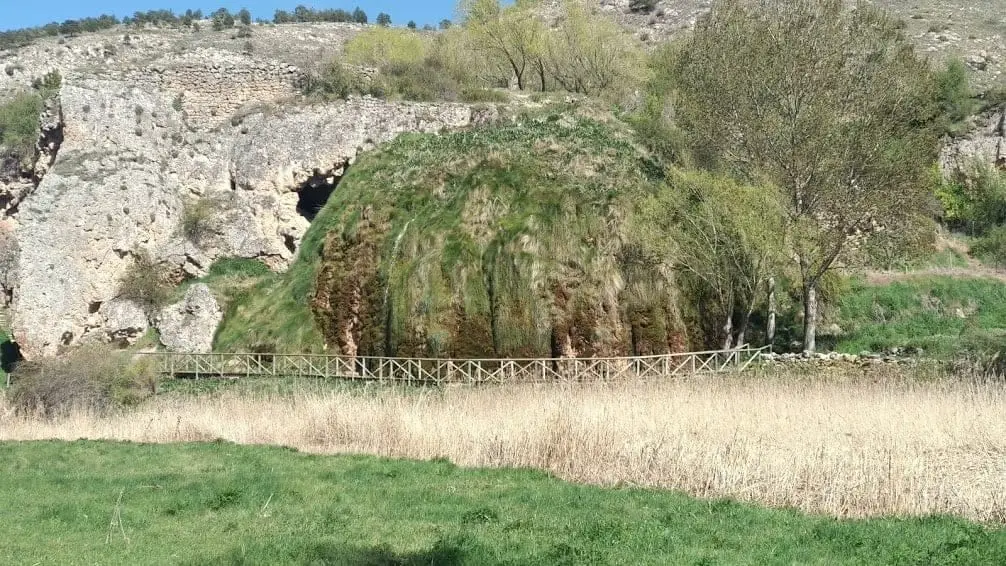
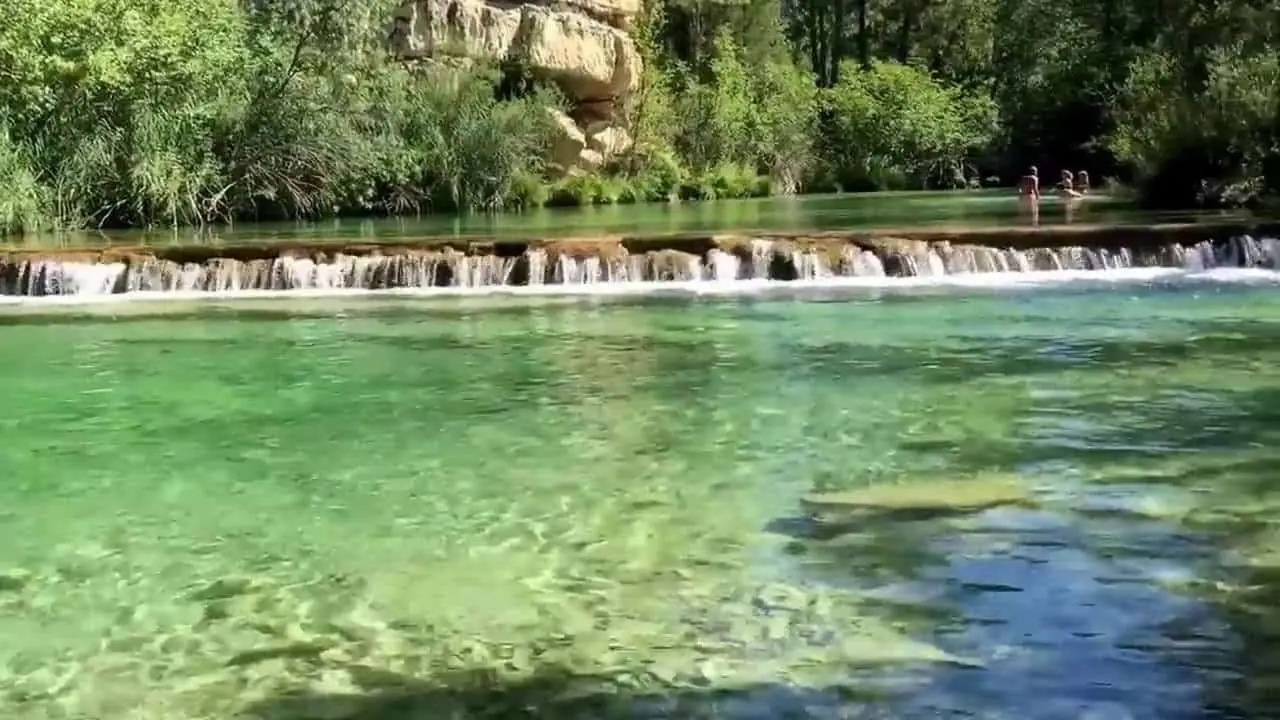
The Aguaspeña of Checa: a living rock growing 4 cm a year
ChecaBefore going: These are examples across the territory, not an itinerary to cover in a single day.
Prehistory and Celtiberia
First engravings and hillforts
The engravings of Los Casares and the Celtiberian hillforts belong to different eras. Connecting them traces the journey from the earliest rock carvings to houses, defensive walls, and community life.
Explore this layer → · Read the story →
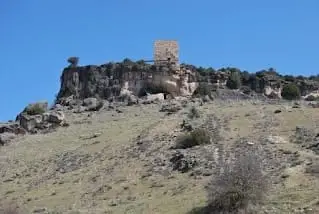
Cueva de los Casares: Paleolithic art, Neanderthals, and Islamic tower
Riba de Saelices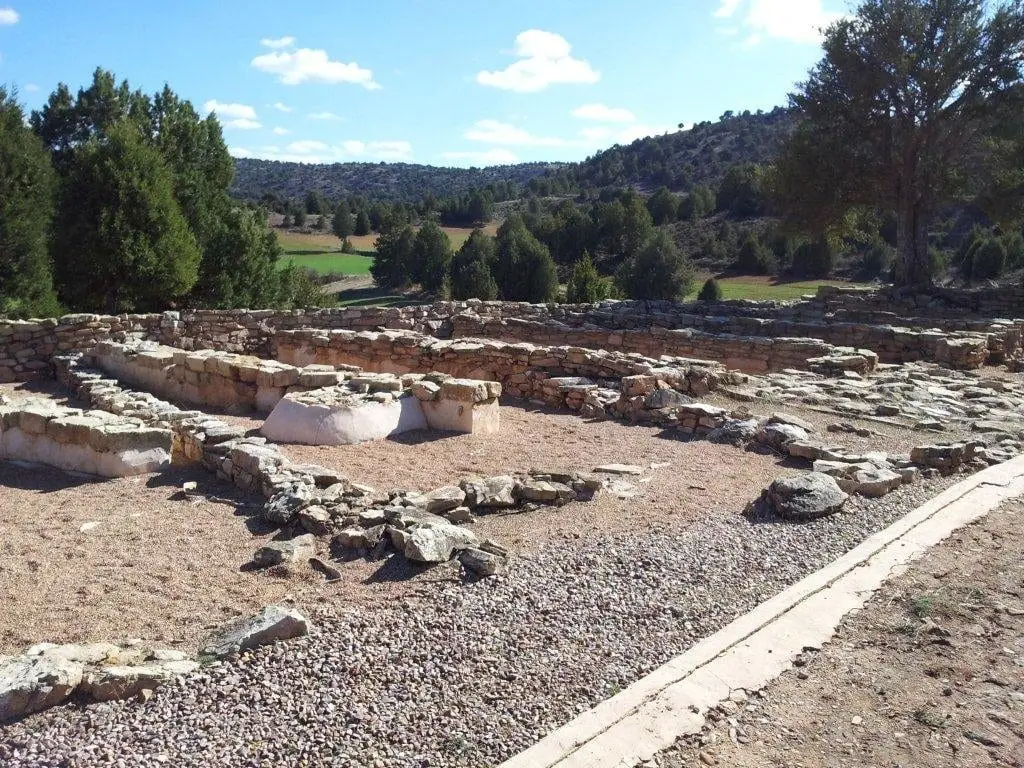
Celtiberian hillfort of El Ceremeño (Herrería)
Herreria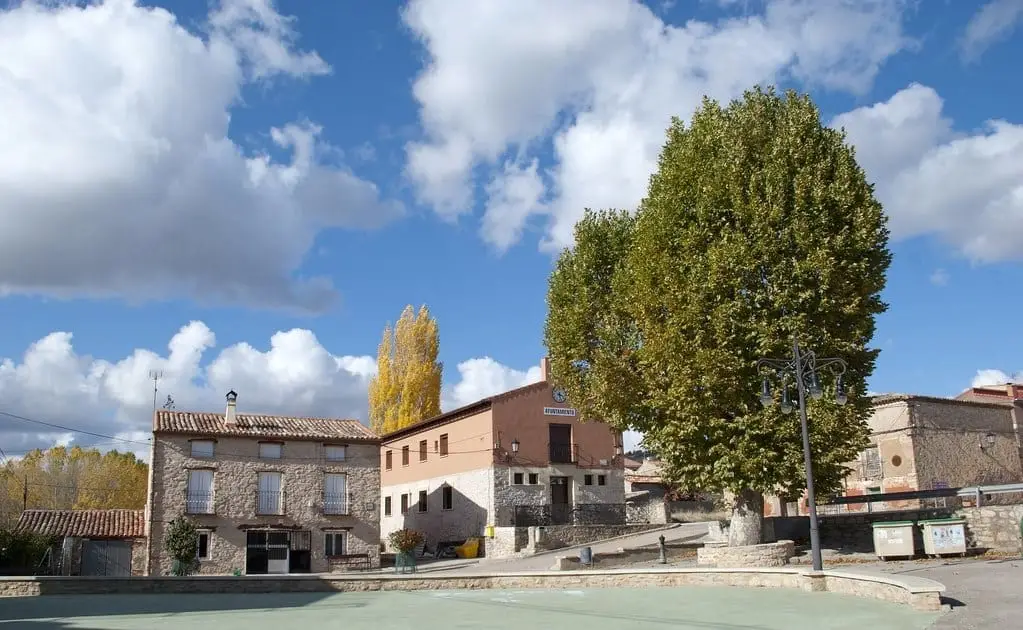
El Ceremeño Museum (Herrería)
HerreriaBefore going: Los Casares requires a guided tour and reservation. Verify conditions for each site before planning your visit.
Middle Ages
The border and the Lordship
The castle of Molina, the fortress of Zafra and Buenafuente reveal defence, power, and religious life on a medieval frontier. The story of the Lordship connects these traces with the people who lived here.
Explore this layer → · Read the story →
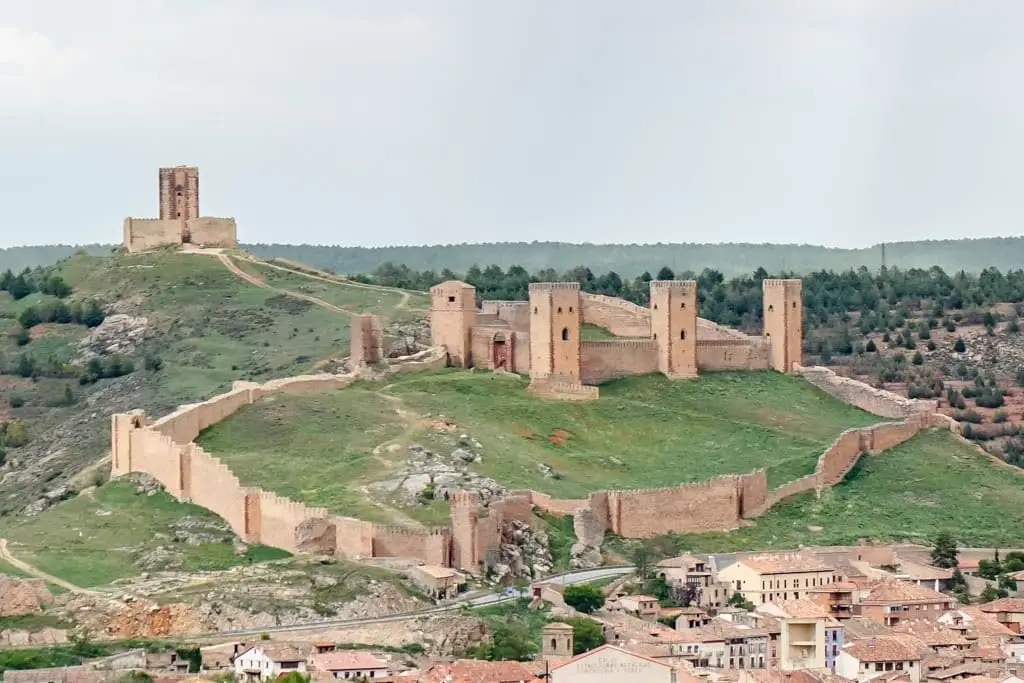
Castle of Molina de Aragón: 12th-century fortress and Torre de Aragón
Molina de Aragón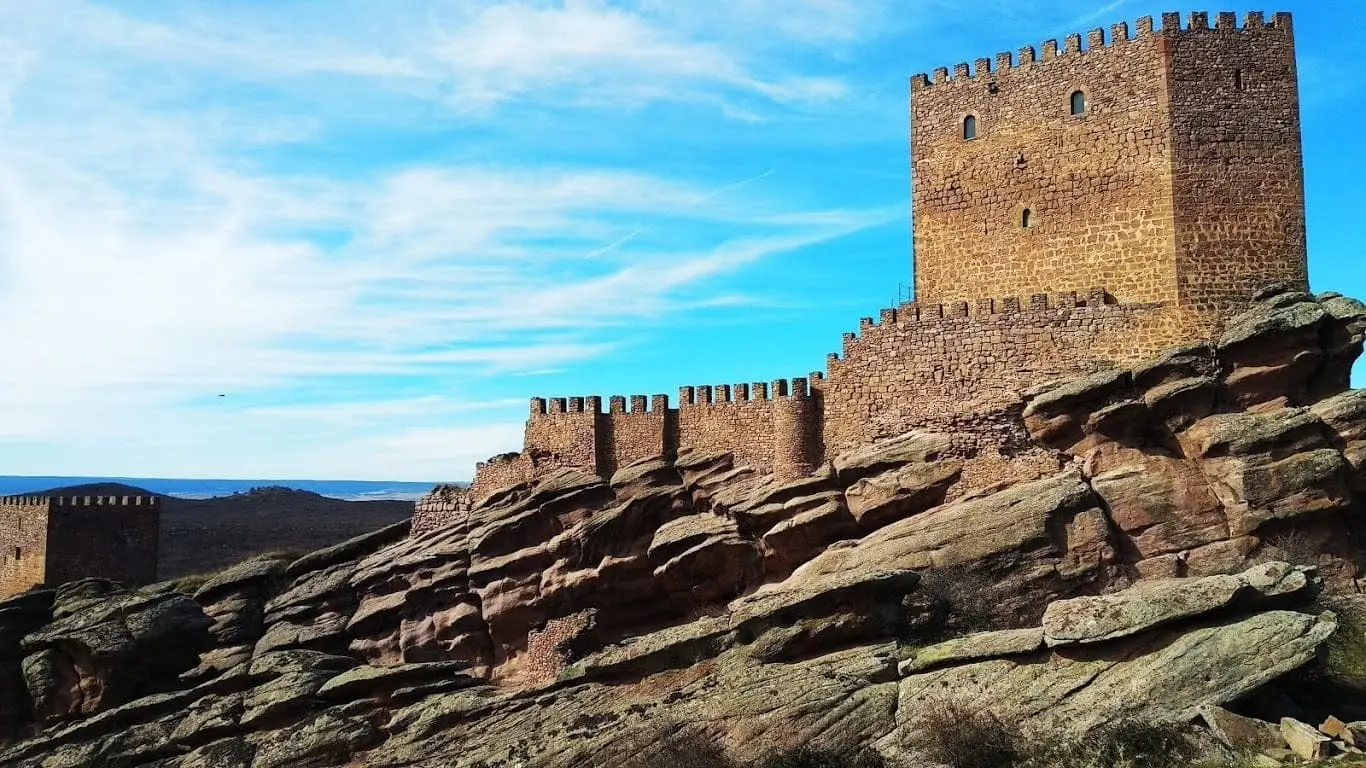
Castle of Zafra: the rock fortress of the Sierra de Caldereros
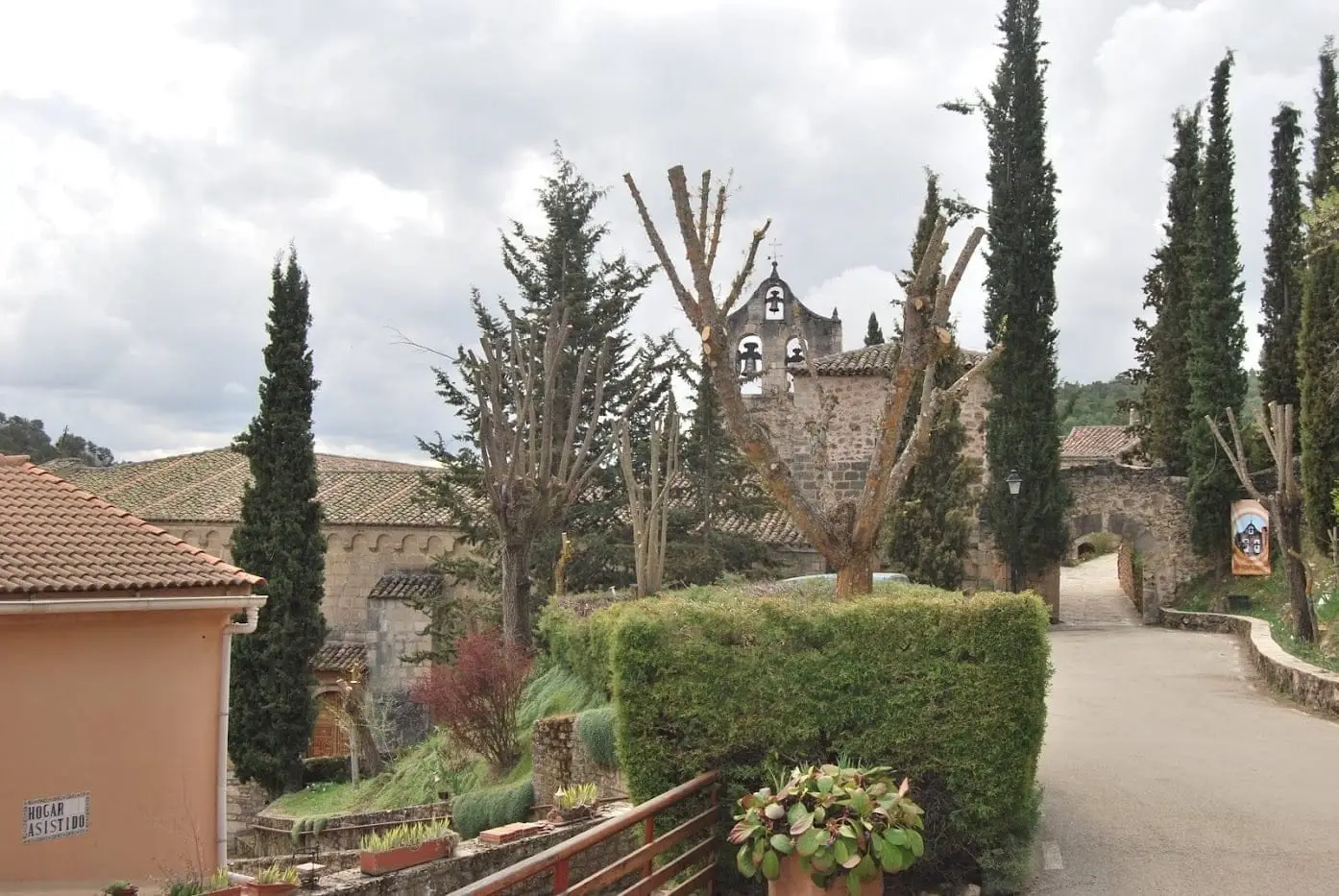
Monastery of Buenafuente del Sistal: Cistercian nuns since 1246
Buenafuente del SistalBefore going: Zafra can only be viewed from outside. Confirm visiting conditions for Molina castle and the monastery.
Traditional trades and rural memory
The forest that sustained life
Pastoral chozones, rural trade museums, and the river of the gancheros tell a story of working life. Follow their vocabulary, tools, and structures to understand how people lived from the forest and the river.
Explore this layer → · Read the story →
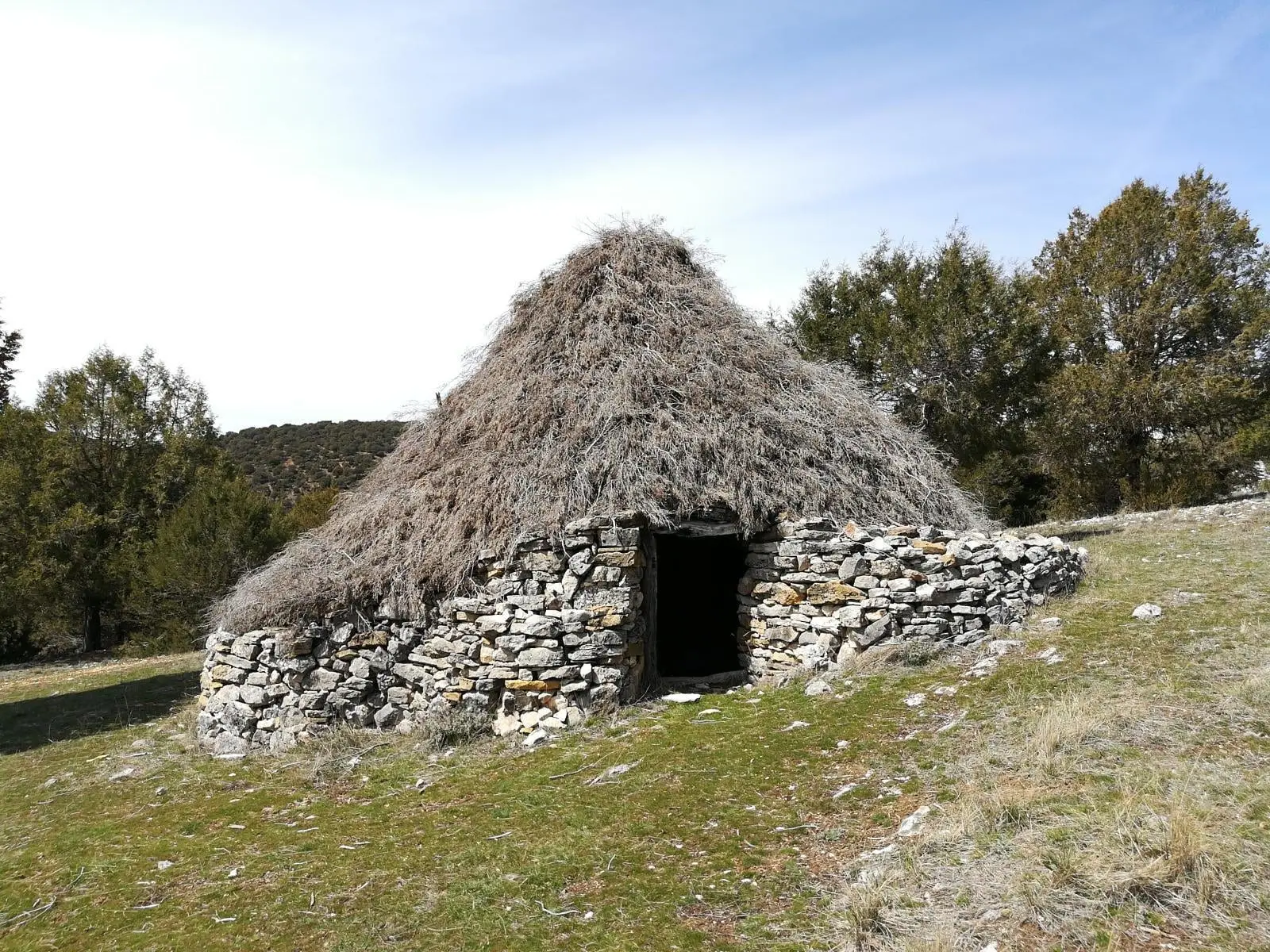
Juniper chozones of Ablanque: evolution of pastoral architecture
Ablanque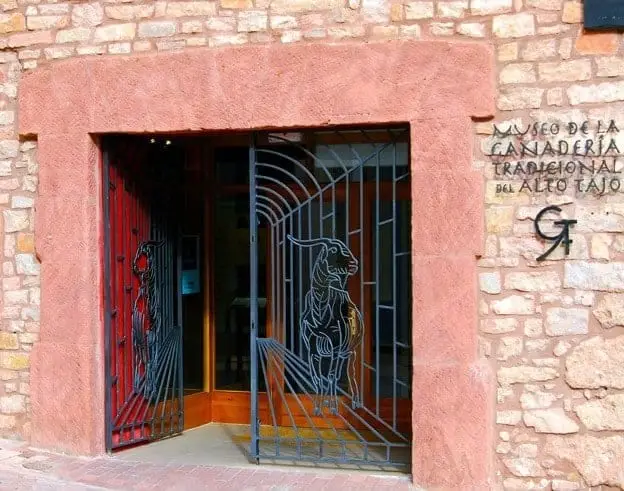
Museum of Traditional Pastoral Life of the Alto Tajo (Checa)
Checa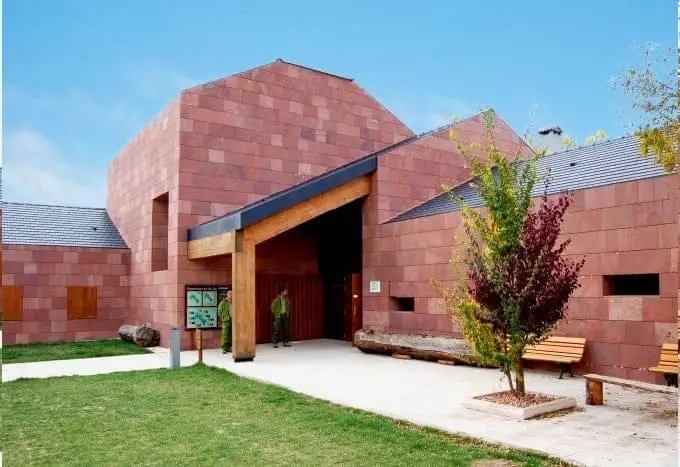
Sequero de Orea Visitor Centre
OreaBefore going: Choose one area to visit. Check opening hours if you plan to enter a museum or visitor centre.
1936–1939 and post-war
The river frontline and wartime memory
Look out at the San Pedro Bridge from the Alpetea positions and continue to the Saelices pillbox. The river, the ridges and the old roads hold the memory of a war that also ran through village life.
Explore this layer → · Read the story →
Puente de San Pedro: where the Tagus and Gallo meet
Zaorejas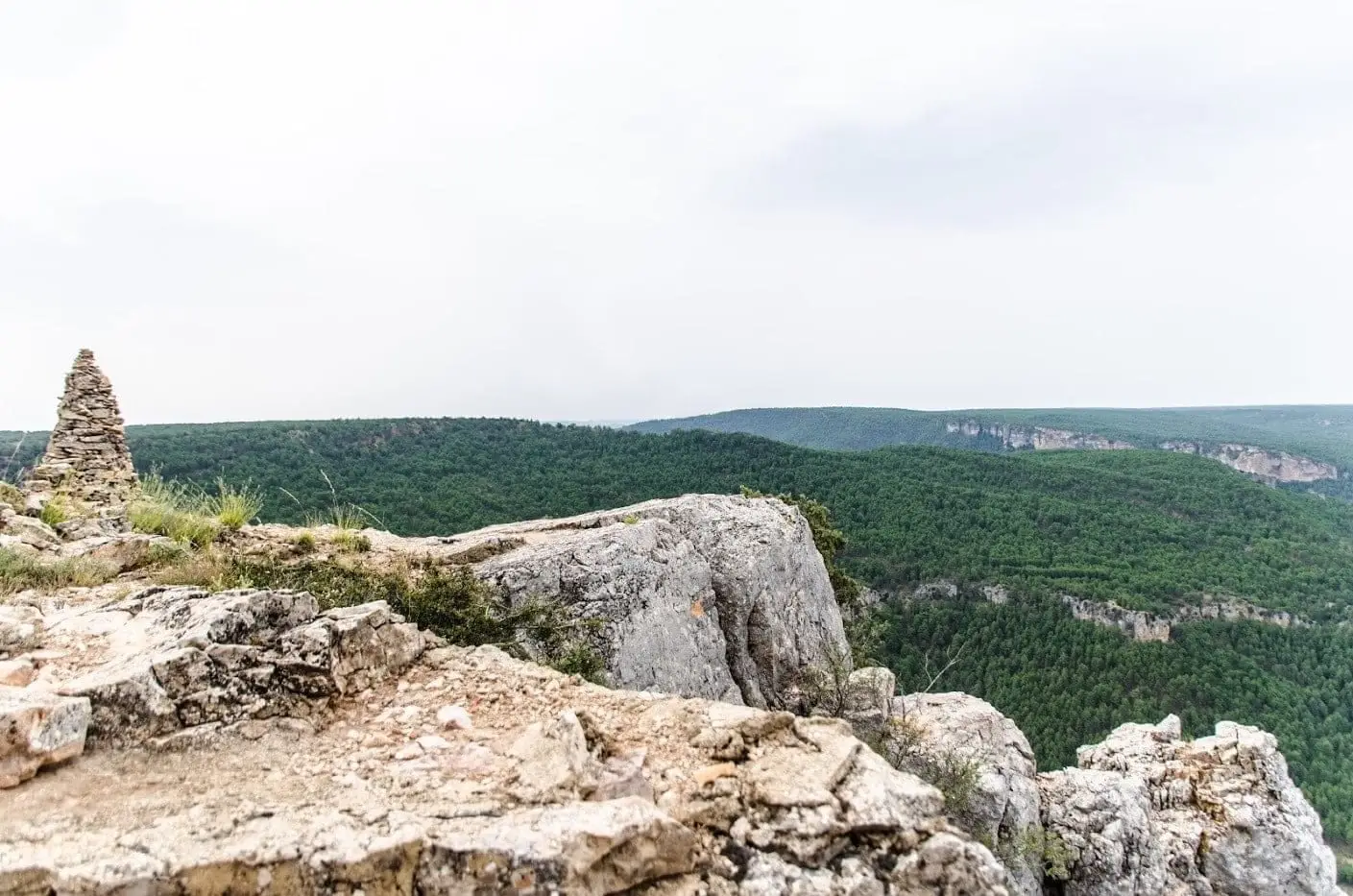
Castillo de Alpetea: legend and Spanish Civil War memory
Villar de CobetaSaelices de la Sal Pillbox: memory of the Spanish Civil War
Saelices de la SalBefore going: Consult each location entry to check access and plan the route.
From the story to the territory
In Molina de Aragón, trace the memory of the medieval charter, trade fairs, and ancestral mansions. In Peralejos, Poveda, and Taravilla, the river links villages, river crossings, and seasonal labor. In Checa and Orea, the forested mountains lead to livestock grazing and highland forestry trades. Location entries allow you to transition from this shared history to its tangible traces on the ground.
When you visit
- Check current weather conditions and official notices for each trail.
- Download offline maps and GPX tracks: mobile signal is often absent in the gorges.
- Verify admission requirements, opening hours, and parking rules in the sources cited on each entry.
- When visiting with children or limited mobility, evaluate terrain roughness, stairs, and total distance; “easy” does not imply wheelchair or stroller accessibility.
For further ideas, open the atlas explorer or check when to go month by month.