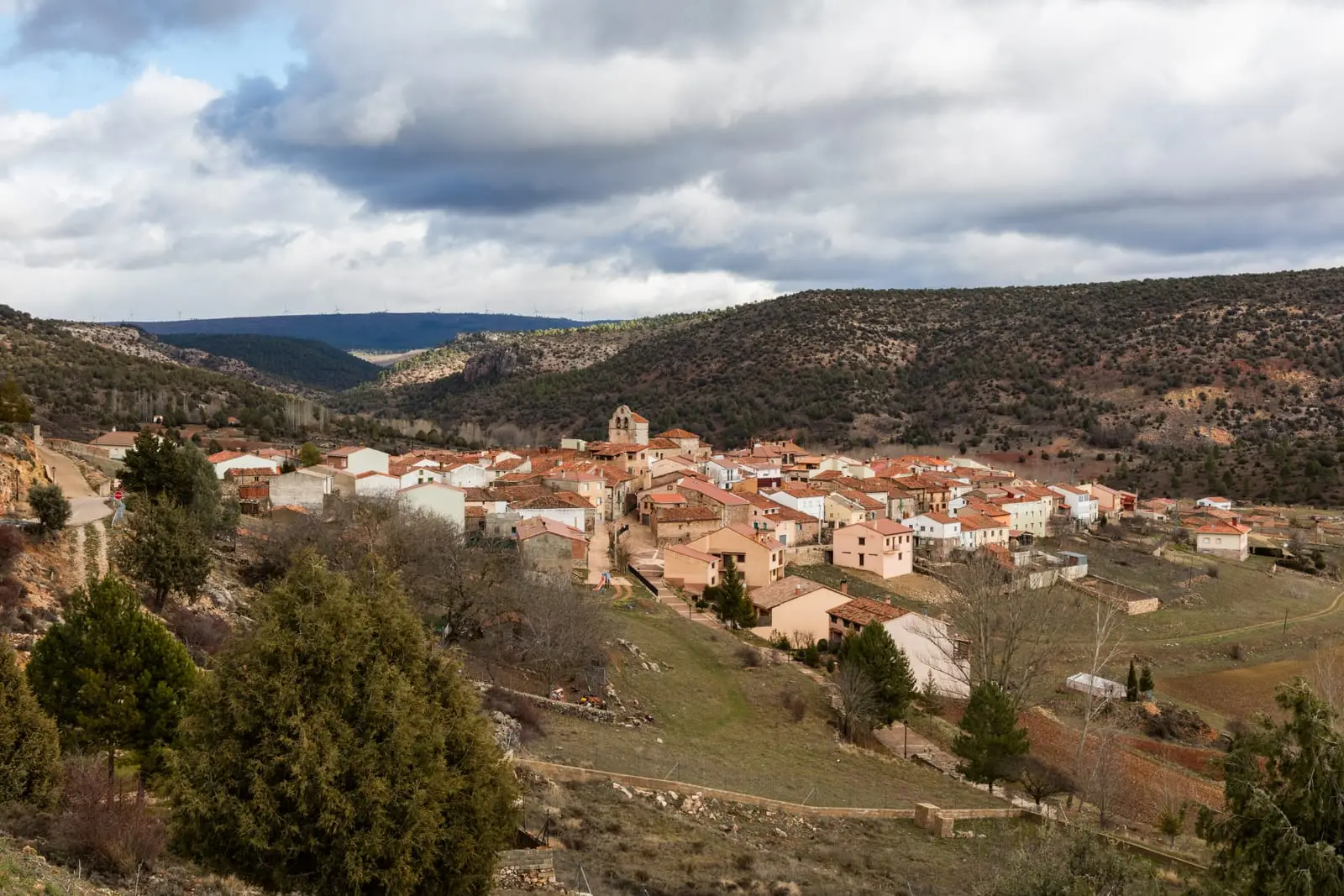
Ethnography · Ablanque
Juniper chozones of Ablanque: evolution of pastoral architecture
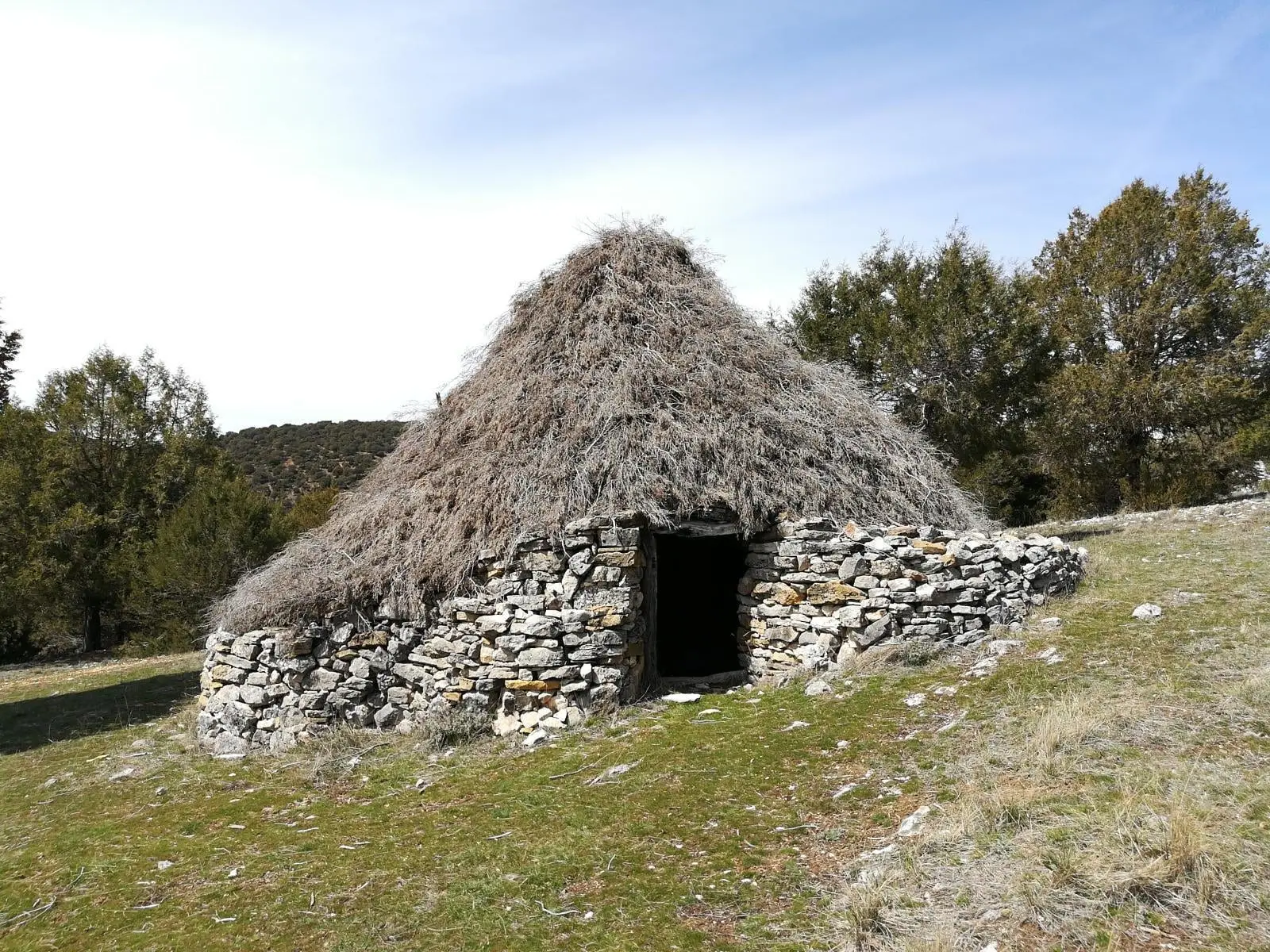
The juniper chozones of Ablanque are medieval pastoral buildings in the Alto Tajo juniper forests, clustered as seasonal settlements on high plains with water and pasture. The earliest are circular, sometimes using a living tree as a central post; over time they became square, and interior posts were eliminated from the 1950s.
Rivers and basins
The thread of water from Juniper chozones of Ablanque: evolution of pastoral architecture
Follow these watercourses towards their confluences, villages, and basin history.
Lands and landscapes
From here, follow the memory of the territory
These readings connect Juniper chozones of Ablanque: evolution of pastoral architecture with the history, work, and villages around it.
This place across time
Which eras you can read here
A single place can preserve traces from different eras. These layers connect what you see with the stories in the atlas.
- Municipality
- Ablanque
- Province
- Guadalajara
- Altitude
- 981 m
- Medieval origin
- Circular and square plans
- Tree as central pillar
- Ruta Etnográfica 1
An evolving vernacular architecture
The oldest chozones feature circular ground plans, occasionally utilizing a living juniper tree as the central roof support pillar. The requirement for larger livestock capacity led to square plans, and starting in the 1950s, builders dispensed with internal support pillars altogether.
Where they were constructed
Across the high tablelands, situated on elevated knolls with good visibility, accessible water, and surrounding pasture, forming small seasonal hamlets.
Explore them on the ethnographic trail Ruta Etnográfica 1 and visit the Chozón Museum. Read more in Ablanque.
Planning your visit
An excursion to the chozones gains deeper meaning within the context of pastoral traditions: observe the building materials, structural forms, and integration into the mountain environment.
Before visiting
Review the ethnographic route documentation and respect private properties and structural integrity. Do not climb onto the brushwood roofs or remove stone or timber.
Combining visits
Continue with Los Chozones de Ablanque. Check its entry to evaluate whether it fits into the same trip.
Location
● Reference point · ● Villages · ● Places
Location diagram. Detailed map with tracks and names loads on zoom.
Reference villages: Ablanque · Olmeda de Cobeta · Buenafuente del Sistal · Villar de Cobeta.
Open the full map and historical layers →Nearby routes
All routes →