Alto Tajo · 14 places
Caves and chasms of the Alto Tajo
The limestone karst of the Alto Tajo is riddled with caves and chasms carved by rainwater. Some are accessible on foot, such as the Sima de Alcorón with its stone staircase, or the Cueva de los Casares with Paleolithic engravings. Others require specialized caving gear and certified guides.
A cave is the negative space of a landscape: the void left where water dissolved the stone. On the limestone plateaus of the Alto Tajo, rainwater creates vertical chasms (simas) and horizontal caves (cuevas) that provided shelter to humans since prehistoric times.
Safety and conservation
Never venture into undeveloped caves without caving experience, appropriate lighting, technical equipment, and notifying someone of your plans. Furthermore, many caves shelter sensitive bat colonies that must never be disturbed, particularly during winter hibernation and spring breeding seasons.
Traces to explore further
These locations connect this theme with local stories across the territory. Choose a trace and visit its guide to follow the narrative:
- Cueva de Los Casares: Guided prehistoric cave art tour; advance booking required.
- Sima de Alcorón: Descent via stone steps into a natural chasm; expect cool damp conditions.
- Cueva del Tornero: Information on a wild speleology cave, not a casual walking excursion.
This landscape through layers of time
The places in this theme preserve traces of these eras. A single place can appear in several.
All places (14)
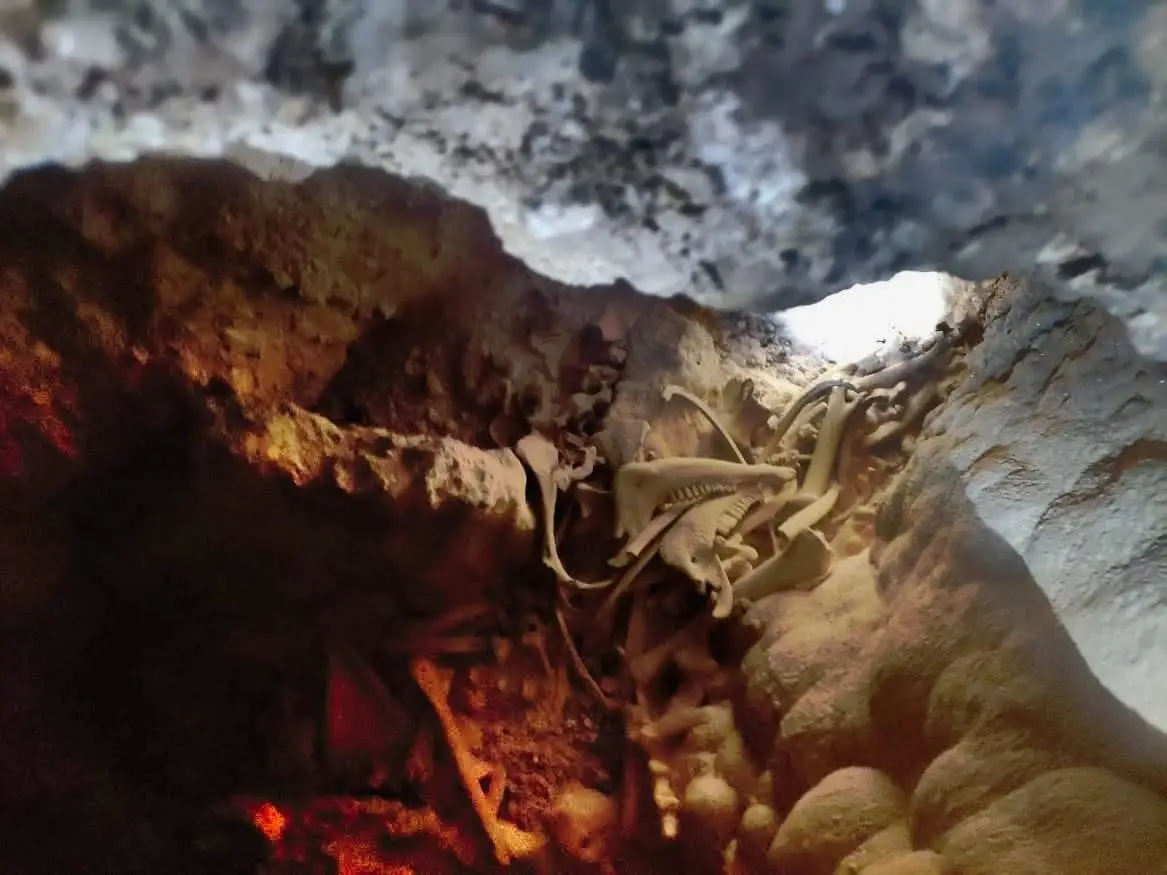
Peralveche chasm
Peralveche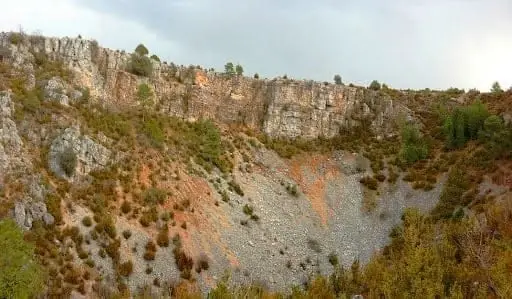
Torcas de Lagunaseca: The Lesser-Known Karst of Cuenca
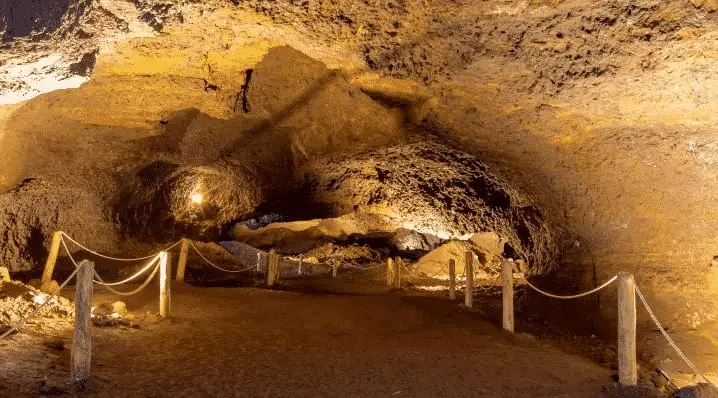
Roman mine of Cueva del Hierro: 2,500 years of iron mining
Cueva del Hierro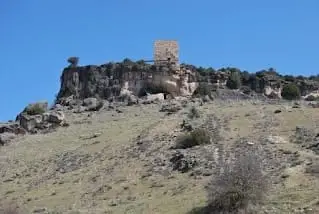
Cueva de los Casares: Paleolithic art, Neanderthals, and Islamic tower
Riba de Saelices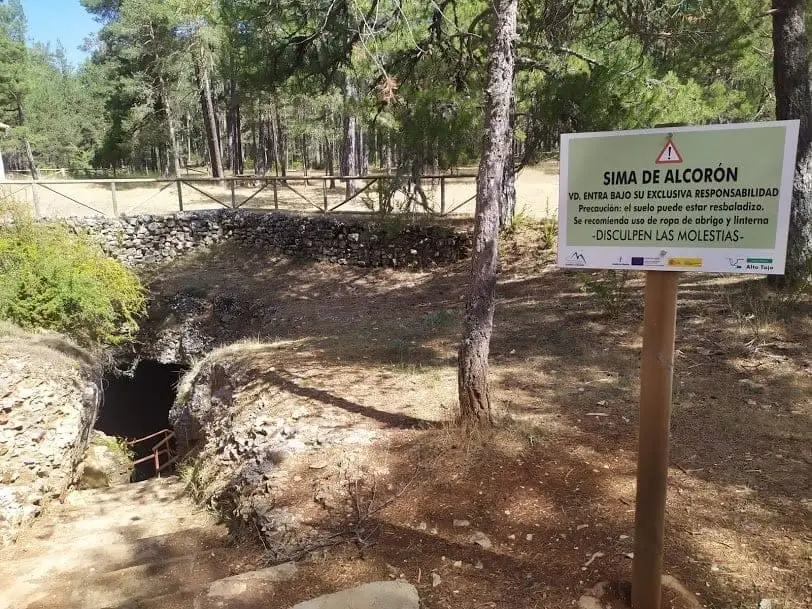
Sima de Alcorón: Descending 63 Metres to the Heart of the Paramera
Villanueva de Alcorón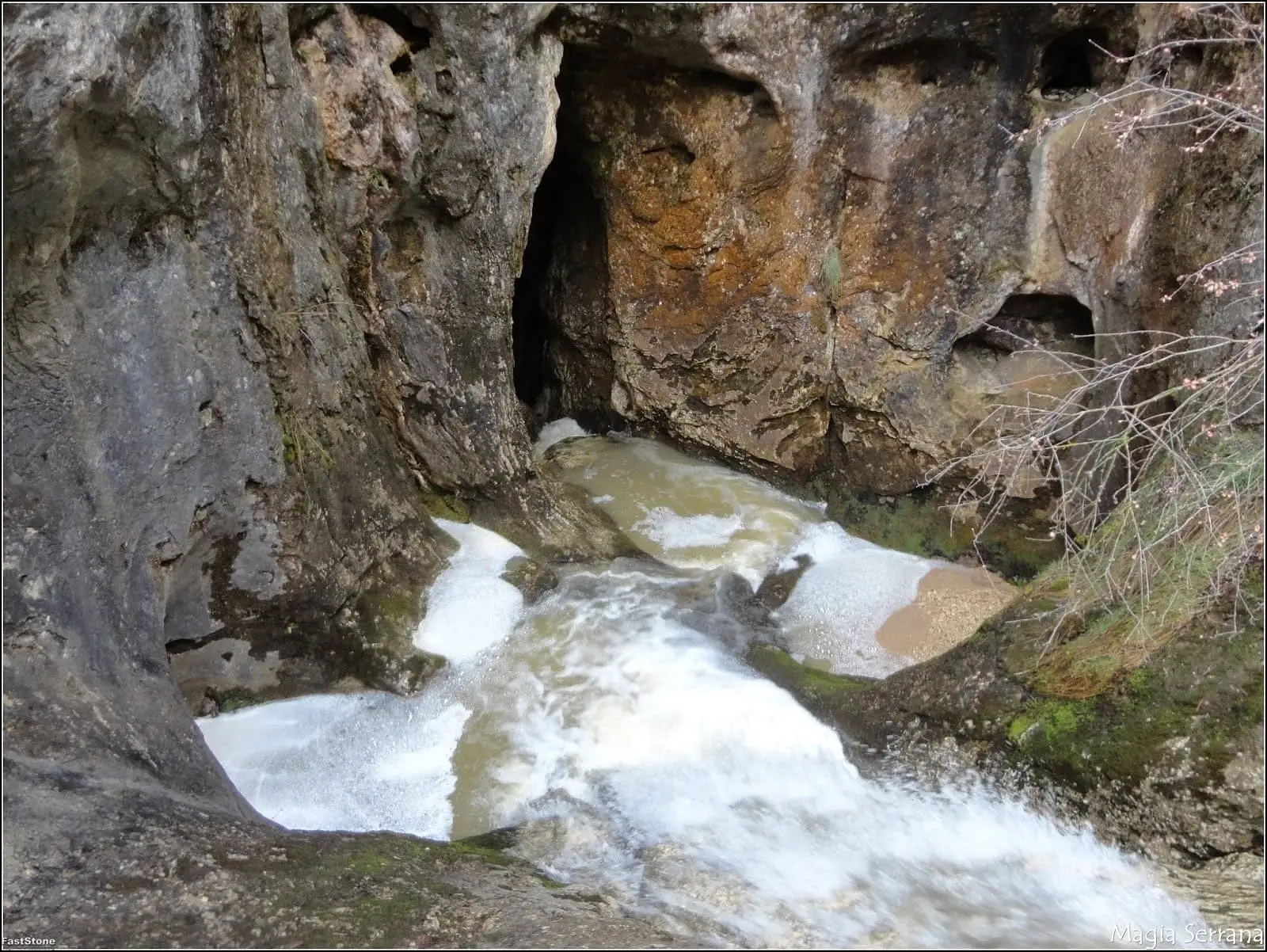
Matasnos Sinkhole: where a stream plunges 122 metres underground
Carrascosa de la Sierra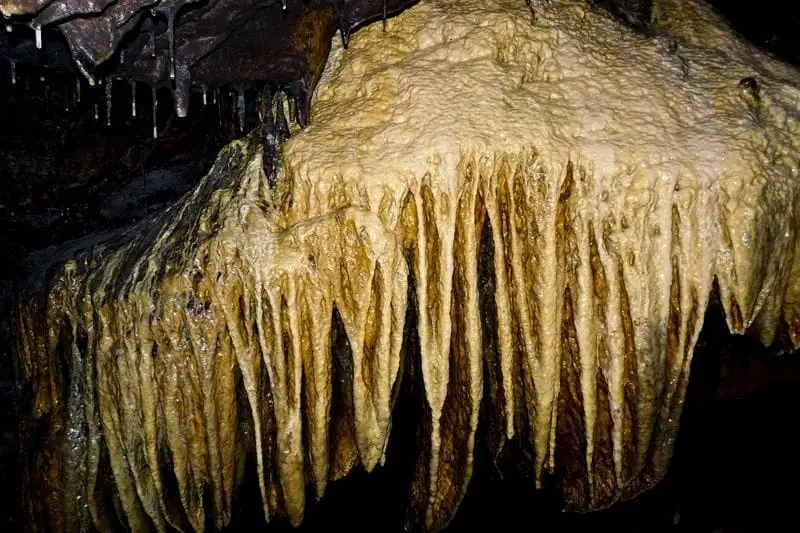
Cueva de la Ramera (Beteta): guided tour in Hoz de Beteta
Beteta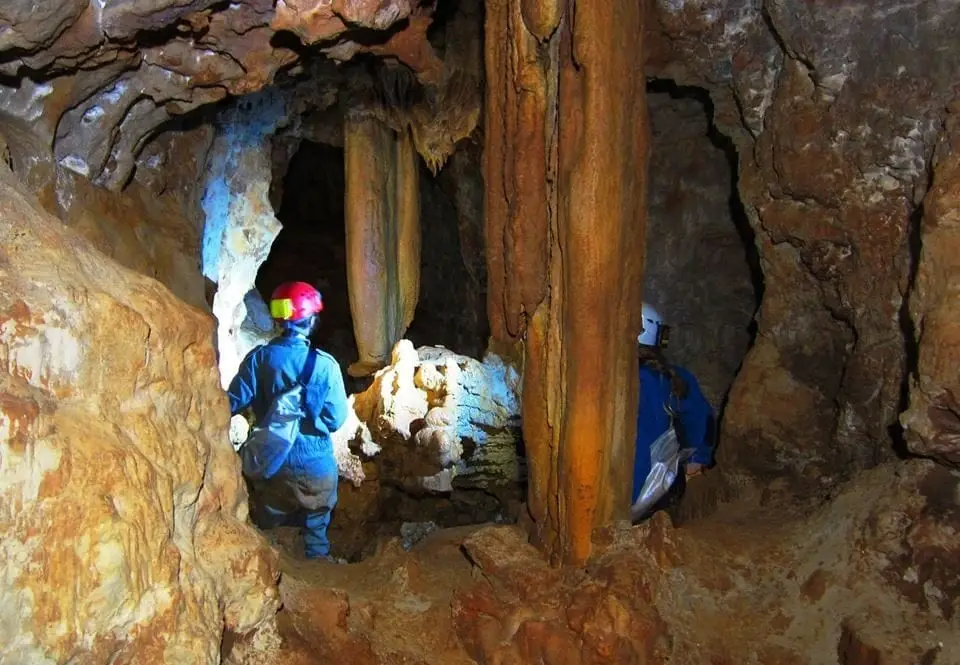
Cueva de las Majadillas (Sacecorbo): the caving school
Sacecorbo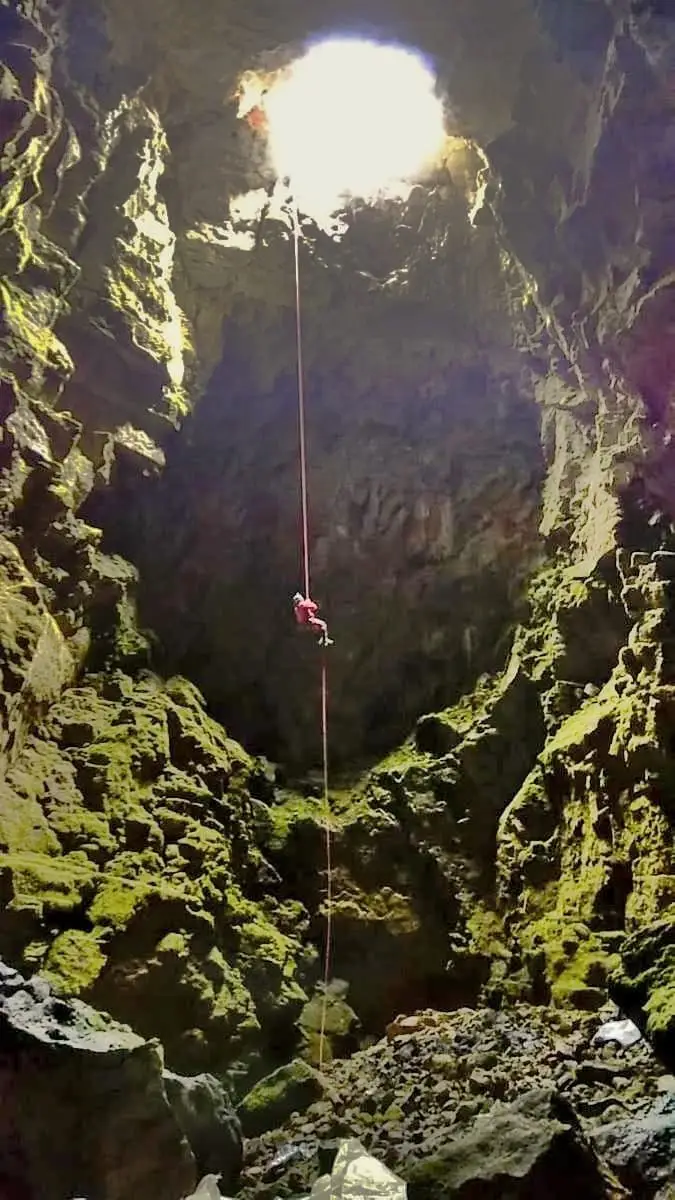
Grobias Chasm: A 45-Metre Open-Air Vertical Shaft
Chequilla, Peralejos de las Truchas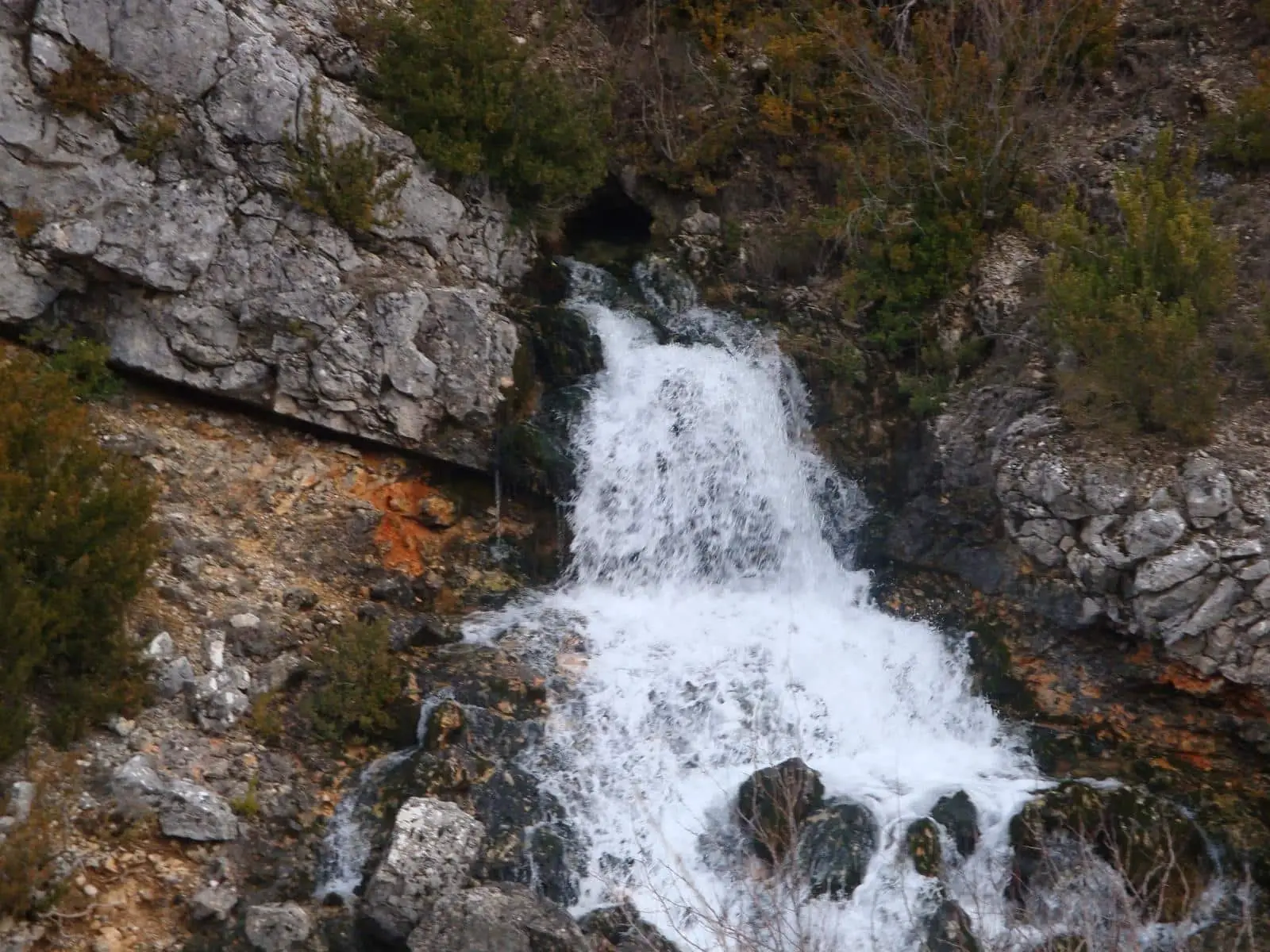
Bocanegra Resurgence (Ojal Morena), Poveda de la Sierra
Poveda de la Sierra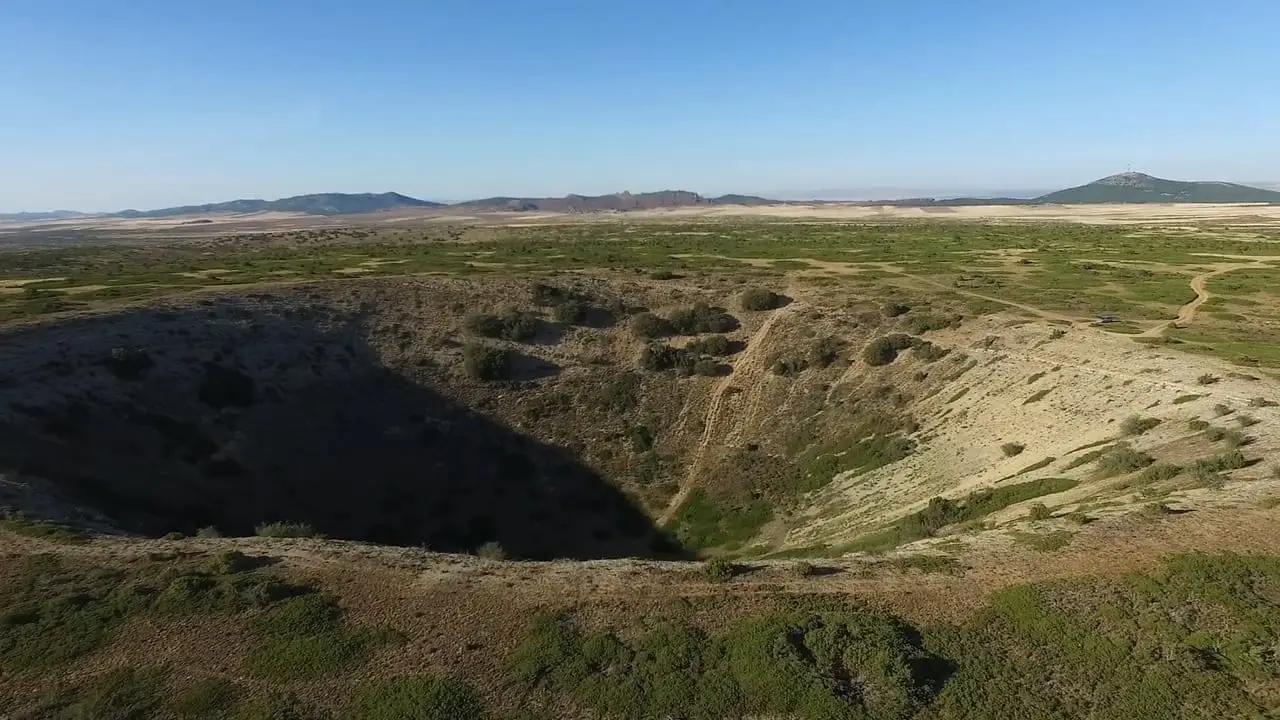
Hoyón de Ródenas: a monumental sinkhole in Teruel
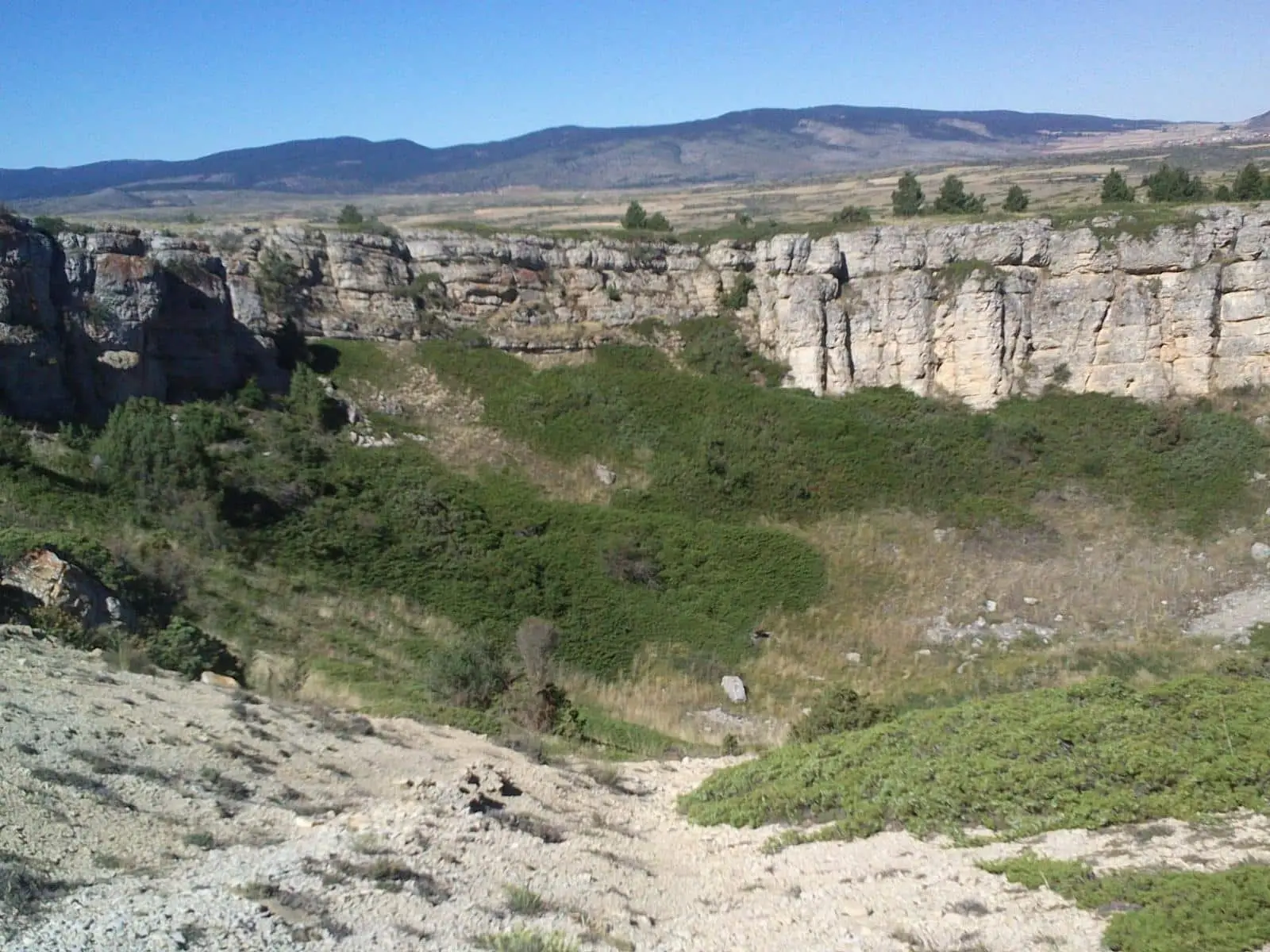
Hoyón de Motos: the celada sinkholes of the paramera
Motos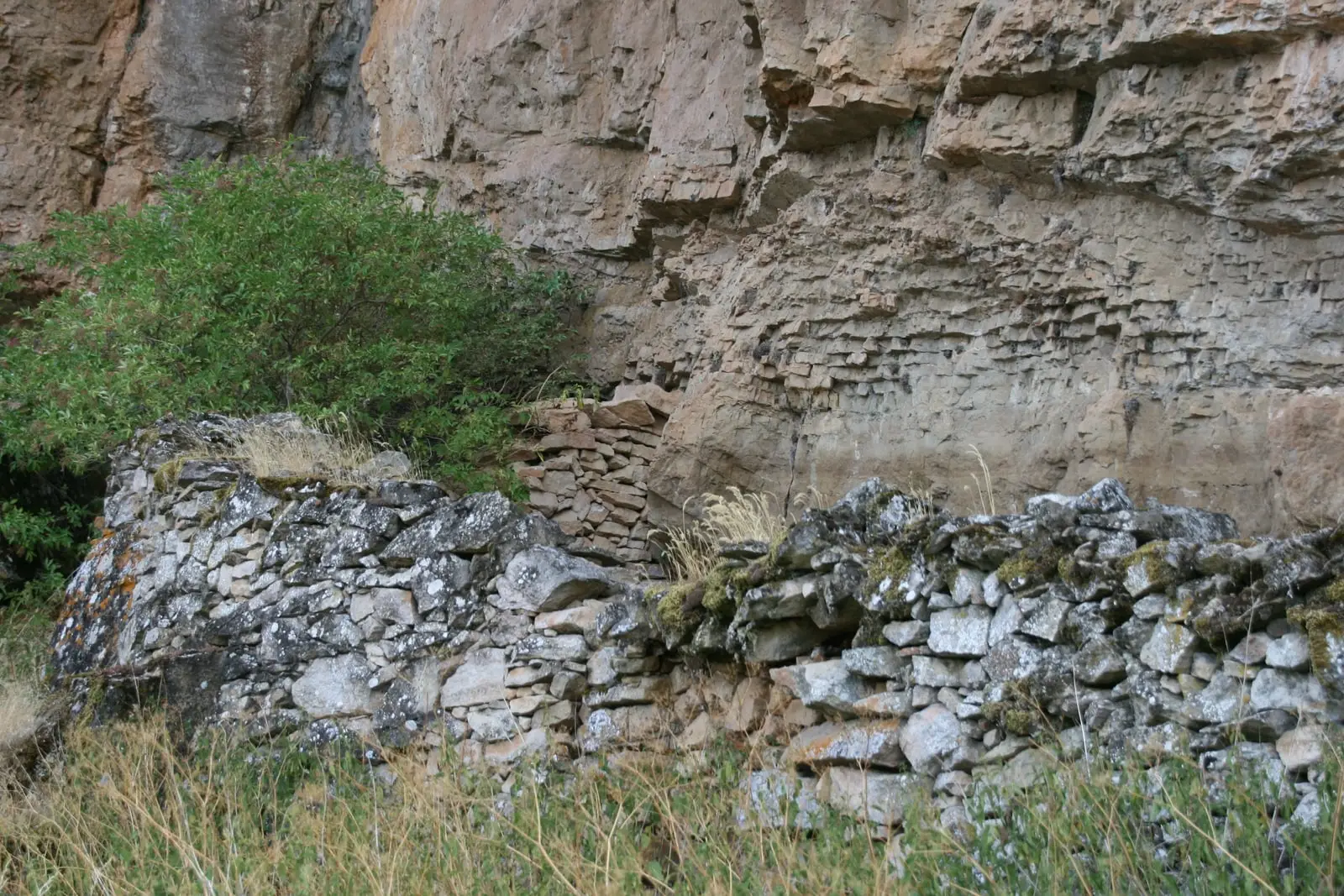
Cueva de la Hoz (Santa María del Espino): Paleolithic art of the Tajuña
Santa María del EspinoCueva del Tornero (Checa): the great subterranean cavity of central Spain
ChecaFrequently asked questions
Which caves can be visited without caving gear?
The Sima de Alcorón is equipped with stairs allowing descent on foot. The Cueva de los Casares can be visited on guided archaeological tours. All other cavities require technical caving equipment and expertise.