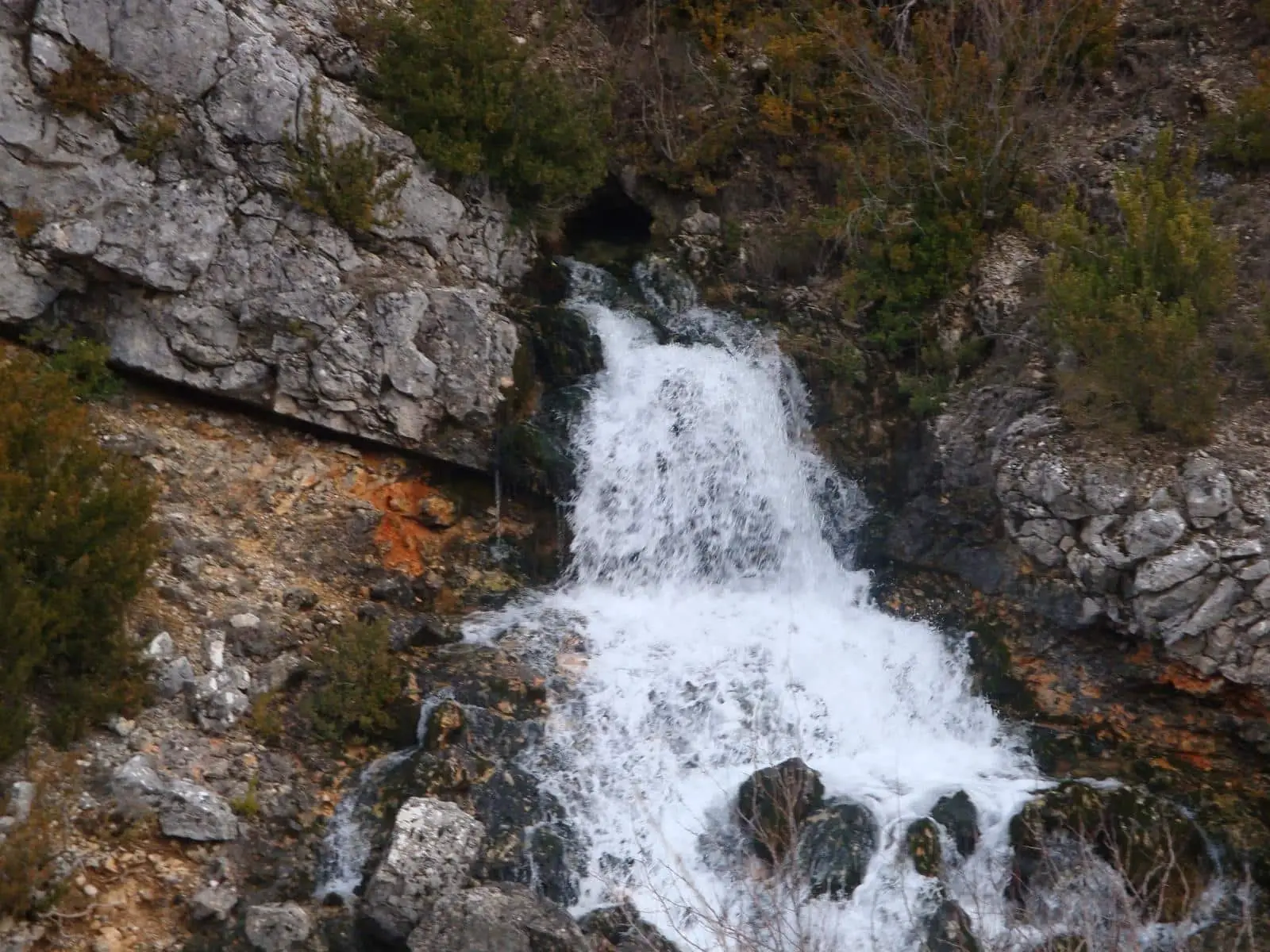
Cave · Cueva del Hierro
Roman mine of Cueva del Hierro: 2,500 years of iron mining
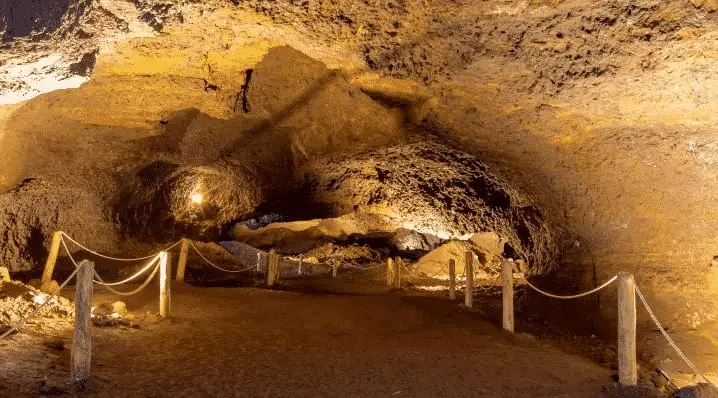
The Cueva del Hierro mine, in the Serranía de Cuenca, was worked for iron from pre-Roman times, around the 6th century BC, likely by Celtiberian groups, and later by Rome, whose underground workings can still be seen. The iron was used for tools and weapons such as falcatas.
This place across time
Which eras you can read here
A single place can preserve traces from different eras. These layers connect what you see with the stories in the atlas.
- Municipality
- Cueva del Hierro
- Province
- Cuenca
- Altitude
- 1,343 m
- Pre-Roman and Roman mining
- Celtiberians
- Falcatas
- Underground galleries
Iron for weapons and tools
Mining here began around the 6th century BC and continued into the Second Iron Age, almost certainly in the hands of Celtiberian communities: the concentration of hillforts within a few kilometres points to it. Their metallurgy was praised by Greek and Roman writers, and this iron was forged into tools and weapons such as the famous falcatas.
The Roman stamp
Inside the mine complex, techniques and layouts typical of Roman underground mining remain clearly legible. It is a site connecting regional geology with the history of those who worked it.
Check visiting arrangements in Cueva del Hierro before going.
Location
● Reference point · ● Villages · ● Places
Location diagram. Detailed map with tracks and names loads on zoom.
Reference villages: Cueva del Hierro · Beteta · Valsalobre · Poveda de la Sierra.
Open the full map and historical layers →