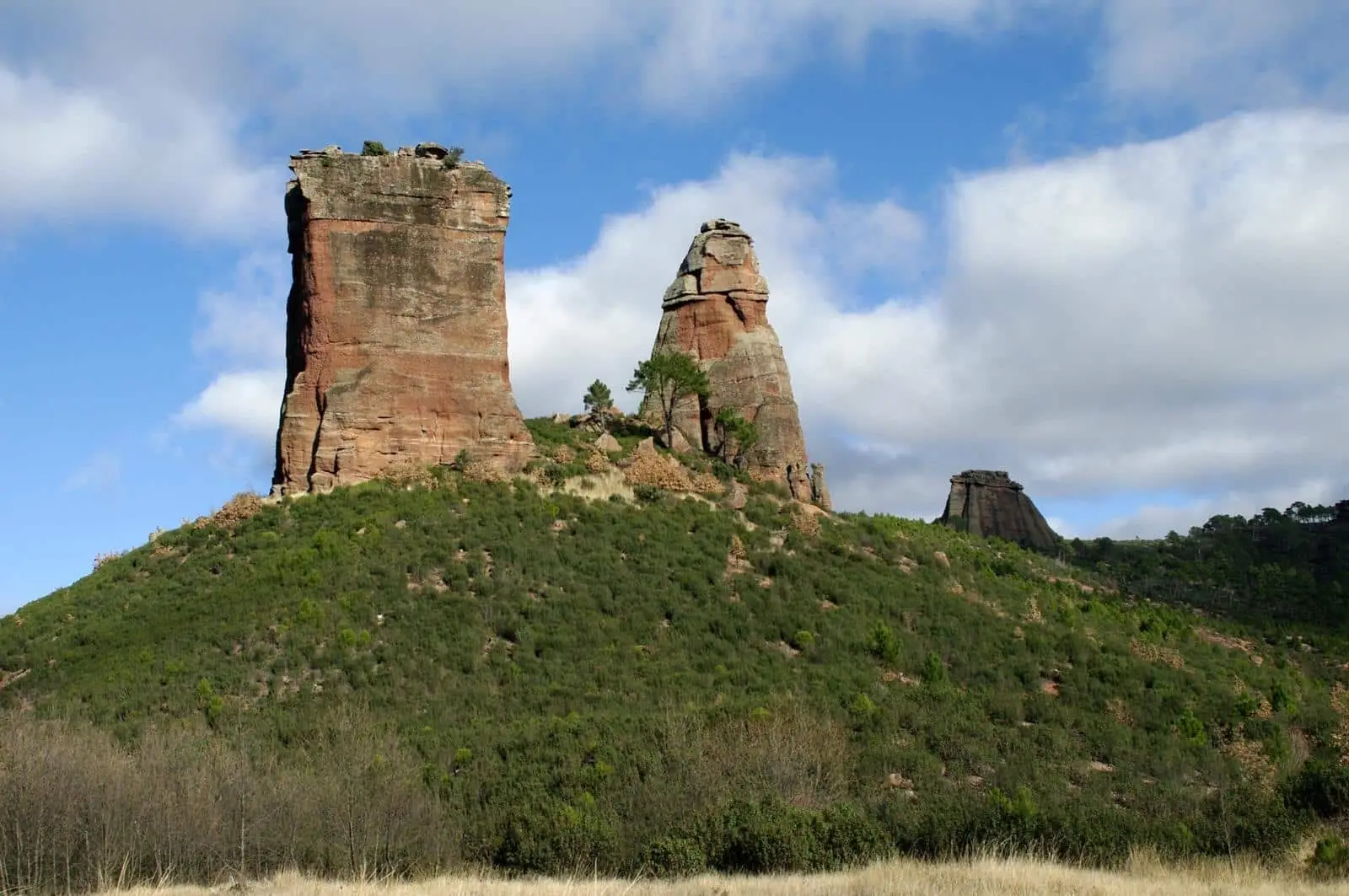
Cave · Riba de Saelices
Cueva de los Casares: Paleolithic art, Neanderthals, and Islamic tower
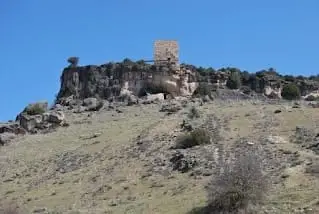
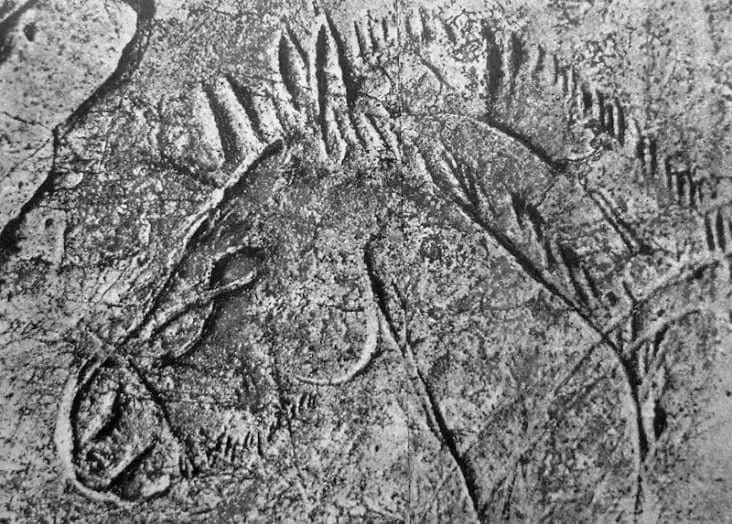
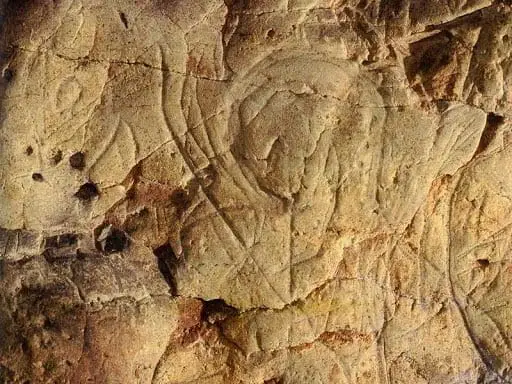
Los Casares cave, around 3 km from Riba de Saelices, is a cavern almost 265 metres long, known worldwide for its Upper Palaeolithic engravings, including an exceptional group of human figures. Neanderthals also occupied it in the Middle Palaeolithic. Outside, a 10th-century Andalusi settlement and an Islamic tower survive.
Rivers and basins
The thread of water from Cueva de los Casares: Paleolithic art, Neanderthals, and Islamic tower
Follow these watercourses towards their confluences, villages, and basin history.
Lands and landscapes
From here, follow the memory of the territory
These readings connect Cueva de los Casares: Paleolithic art, Neanderthals, and Islamic tower with the history, work, and villages around it.
This place across time
Which eras you can read here
A single place can preserve traces from different eras. These layers connect what you see with the stories in the atlas.
- Best season
- All year
- Municipality
- Riba de Saelices
- Province
- Guadalajara
- Altitude
- 1,039 m
- Upper Paleolithic
- Neanderthals
- Human figures
- Andalusi settlement
- Guided tours
A cave inhabited across millennia
The cave has accommodated numerous human groups across history. The earliest documented occupants were Neanderthals during the Middle Paleolithic. Subsequently, anatomically modern humans of the Upper Paleolithic arrived, authoring the cave paintings and engravings. The site also yielded Chalcolithic material remains, dated between 4,000 and 3,000 years ago, as well as Andalusi ceramics linked to a 10th-century medieval settlement spread across the external slope beneath an Islamic watchtower.
Subterranean interior
The surveyed cavity spans nearly 265 metres. Beyond an expansive vestibule measuring roughly 30 metres—where exterior light reaches the far wall—the cave opens into a regular first chamber about 20 metres long. The remainder consists of a tall, narrow karst gallery.
Artistic significance
The rock engravings of Casares share artistic techniques and stylistic conventions with broader Paleolithic art across the Iberian Peninsula and southern France, while presenting distinctive traits: abstract signs characteristic of inland Iberia and, most remarkably, an exceptional series of human figures, an infrequent motif in Paleolithic rock art. Their cultural purpose remains an ongoing question in prehistory research.
Before you go
Visiting the archaeological complex is conducted exclusively by guided tour and requires prior booking. Check available tour slots and admission bookings on the Castilla-La Mancha Cultural Heritage website before traveling. Very close by are the Valle de los Milagros and the cave’s recreation area.
Planning your visit
Structure the remainder of your day around your booked cave entry time. The guided visit connects the cave art with the slope settlement and the exterior medieval watchtower.
Before visiting
Confirm ticket availability and access conditions with the managing authority. Inclement weather may alter conditions; appropriate footwear is required for the rural terrain.
Combining visits
Continue to the Valle de los Milagros. Review its entry to assess how it fits into your itinerary.
Photo: El Observario
Frequently asked questions
Where is Los Casares cave?
Around 3 km north of Riba de Saelices, reached along a dirt track passable by car.
What makes its art special?
Alongside animals and signs, it holds a particularly significant group of human figures, rare in Palaeolithic art, together with abstract signs characteristic of the Iberian interior.
Who lived in the cave?
Neanderthals occupied it during the Middle Palaeolithic, followed by modern humans who made the Upper Palaeolithic engravings, Chalcolithic groups and, in the Andalusi period, the inhabitants of the settlement outside.
Location
● Reference point · ● Villages · ● Places
Location diagram. Detailed map with tracks and names loads on zoom.
Reference villages: Riba de Saelices · Saelices de la Sal · Santa María del Espino · Ablanque.
Open the full map and historical layers →More caves and chasms nearby
View all →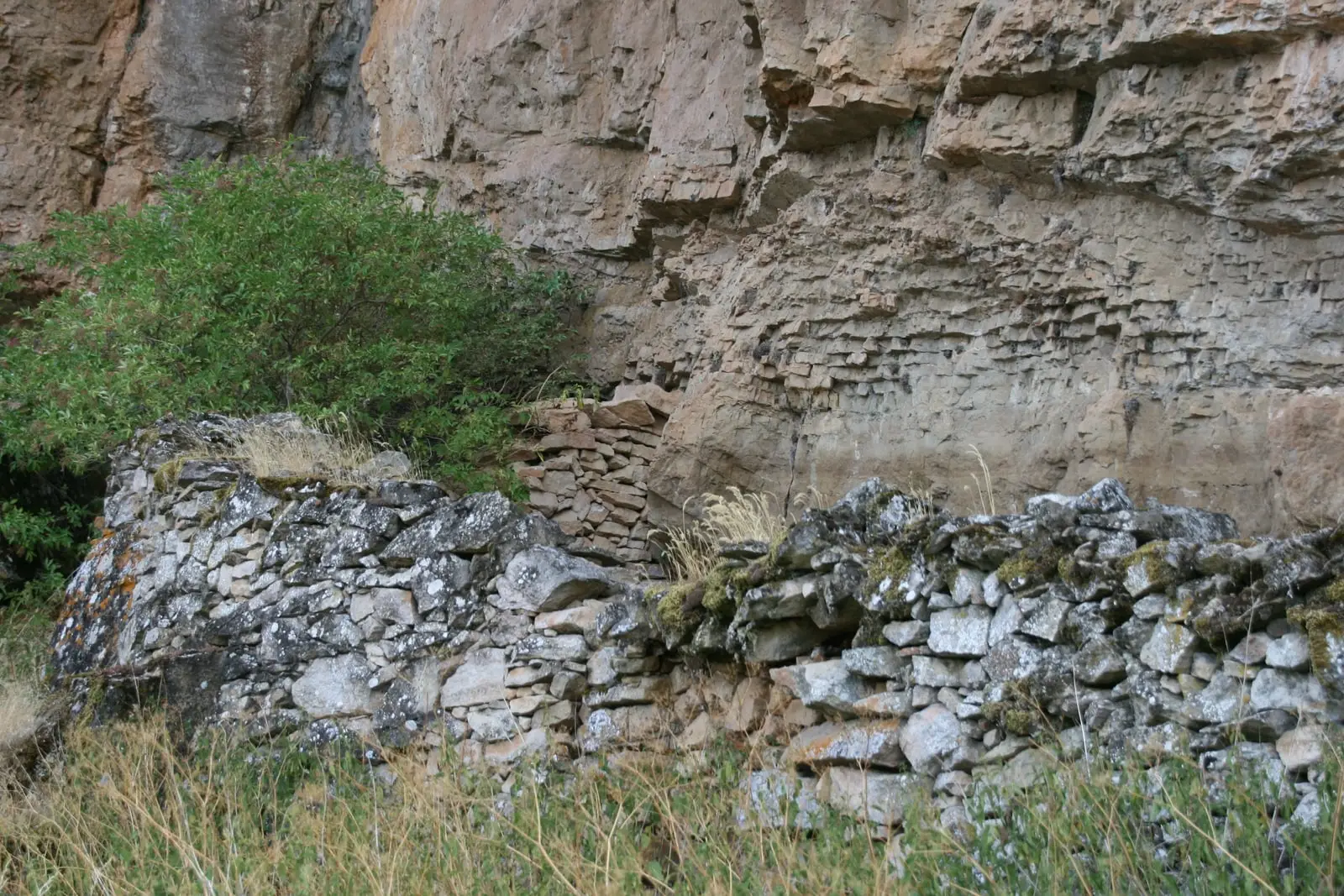
Nearby routes
All routes →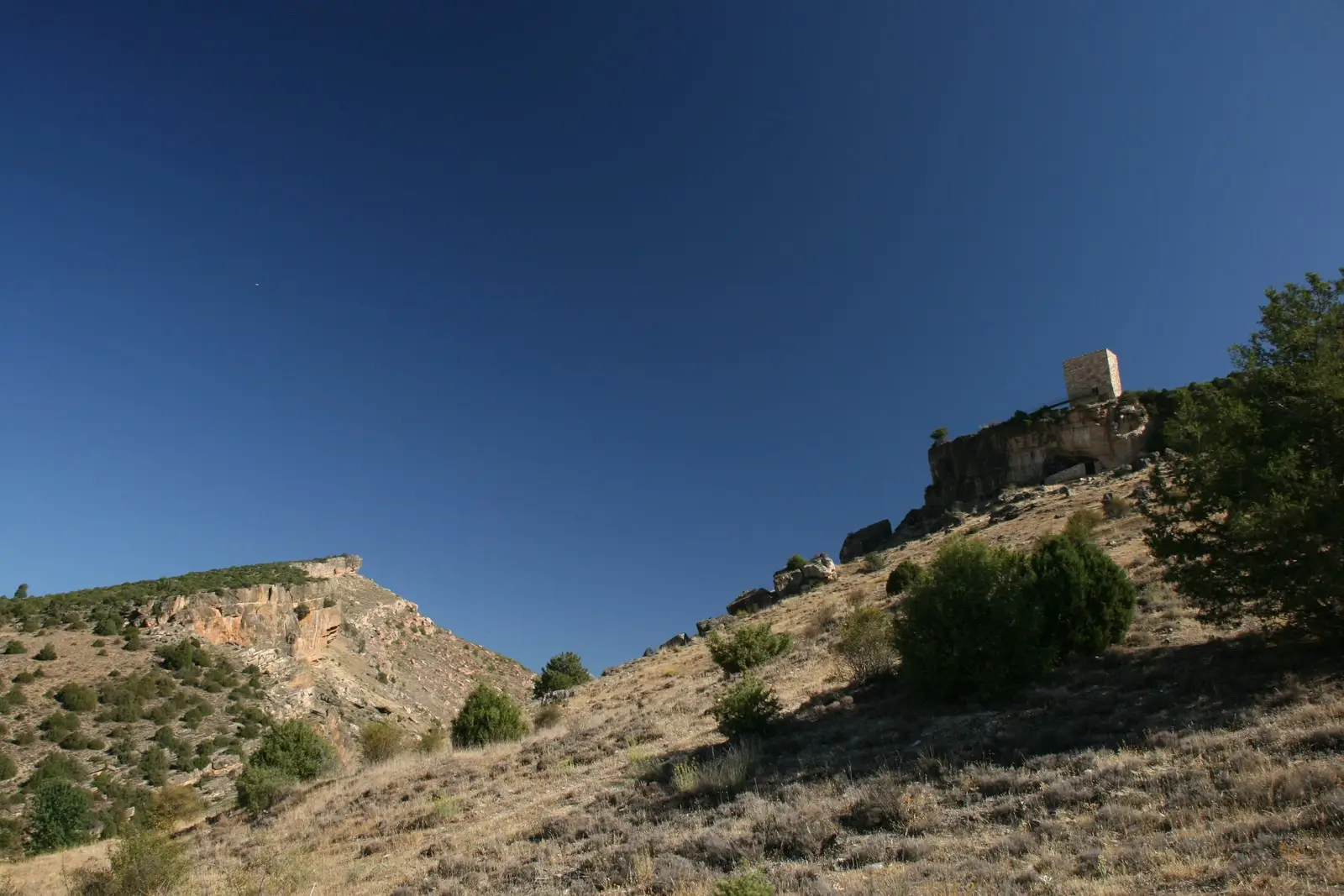
Trail 4: Valle de los Milagros (Riba de Saelices)
3 km · 1.5 h · Linear