Geosite · Molina de Aragón
Type locality of aragonite: the mineral named after Aragon
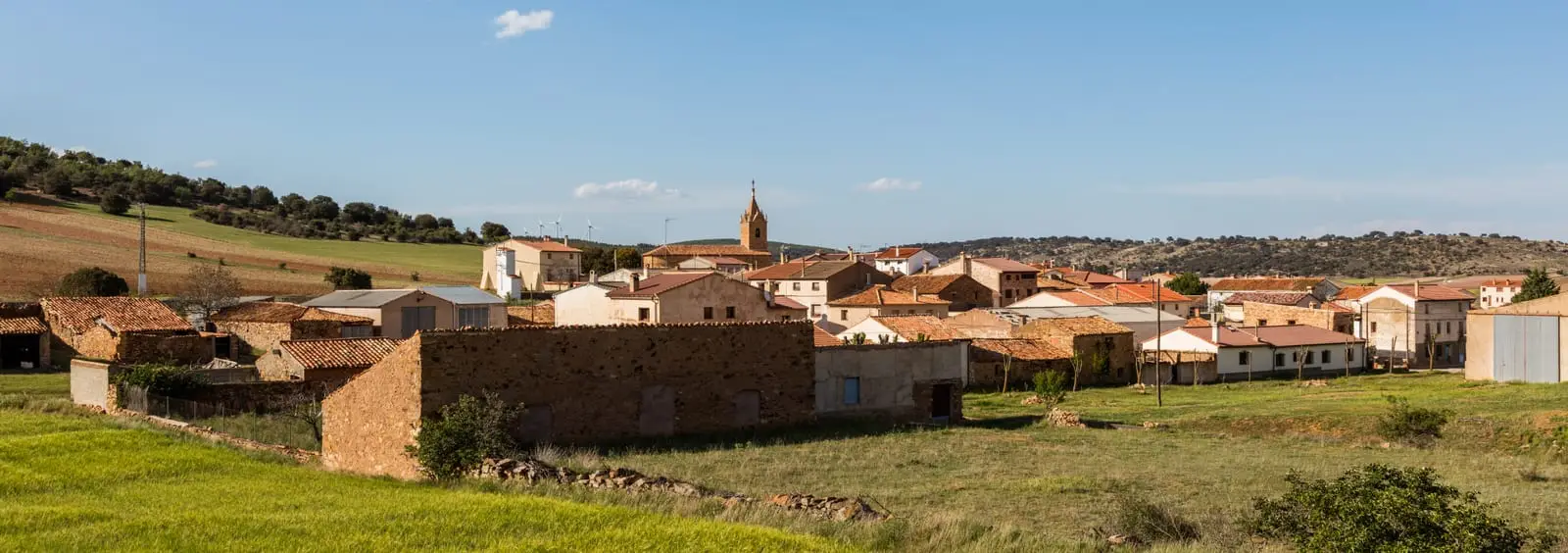
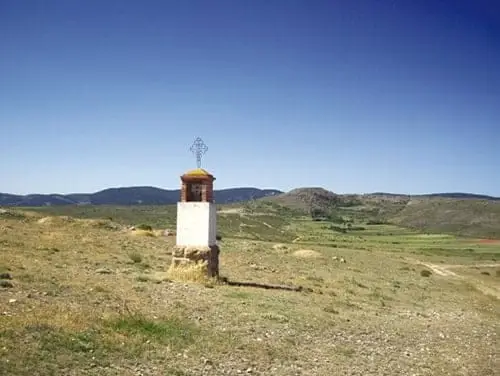
The type locality of aragonite, where the mineral was first described in 1788 by German mineralogist Abraham Gottlob Werner, sits beside the Gallo River in Molina de Aragón. Werner named it thinking the specimens came from Aragon; the town's name caused the mix-up. It is the official symbol of the Molina-Alto Tajo Geopark.
Lands and landscapes
From here, follow the memory of the territory
These readings connect Type locality of aragonite: the mineral named after Aragon with the history, work, and villages around it.
This place across time
Which eras you can read here
A single place can preserve traces from different eras. These layers connect what you see with the stories in the atlas.
- Municipality
- Molina de Aragón
- Province
- Guadalajara
- Type locality
- Werner, 1788
- Pseudohexagonal twins
- Geopark symbol
A mineral christened here
Every mineral has a type locality: the place where the original specimens were collected and described for the first time. For aragonite, that place is beside the Gallo River, in Molina de Aragón. In 1788, the German mineralogist Abraham Gottlob Werner described it using crystals from here and named it believing they came from Aragon.
What it looks like
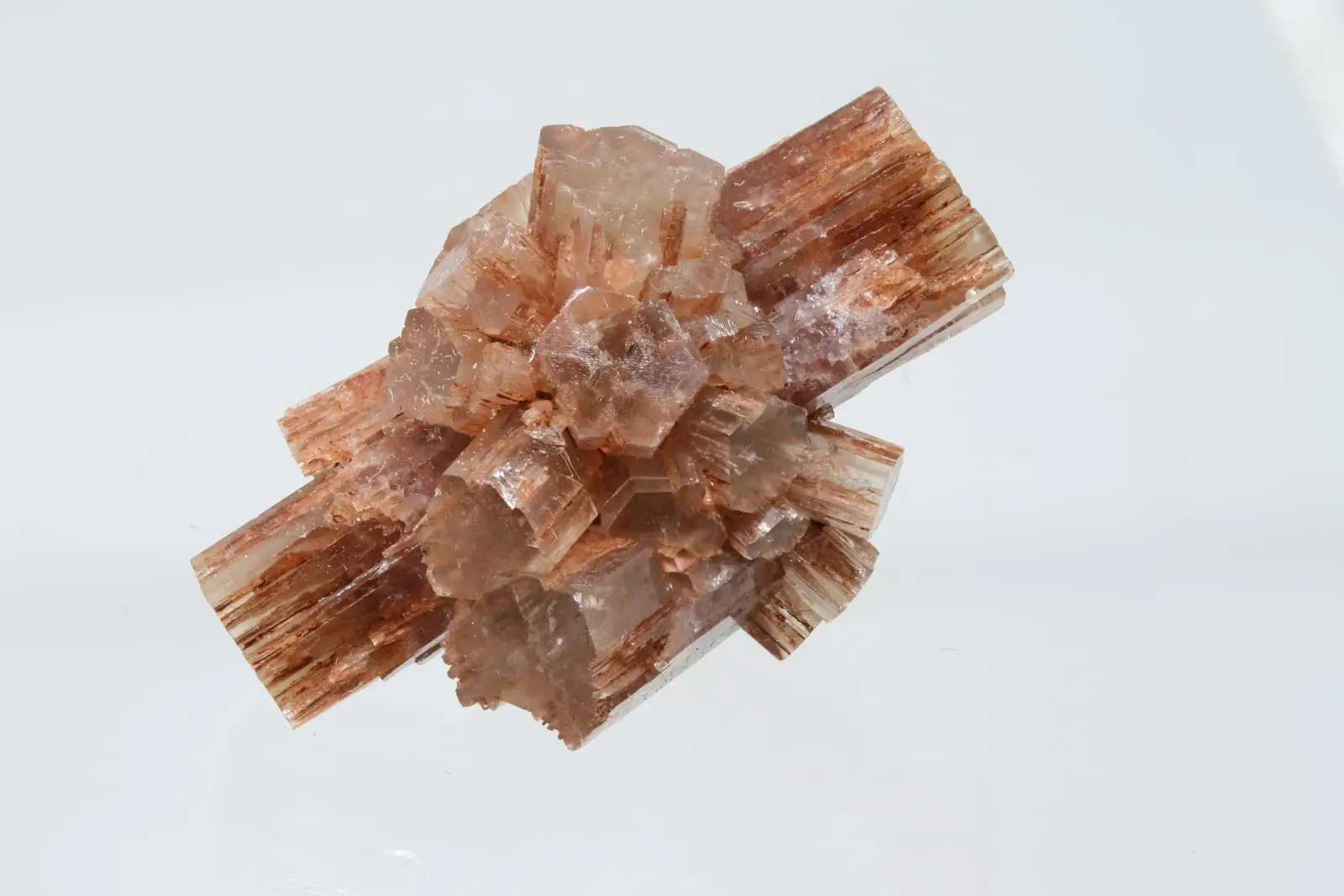
Like calcite, aragonite is calcium carbonate, but with a different crystal structure. It often appears as twinned crystals: multiple crystals symmetrically intergrown. The most common here are prisms that look hexagonal, but are actually three rhombic prisms interpenetrating each other. It forms in sedimentary settings, among the clays and gypsum of the Upper Triassic Keuper facies.
A symbol
There are many outcrops of aragonite across the comarca, and the mineral is the symbol of the Molina-Alto Tajo Geopark. Fine specimens can be seen in the Molina Museum and the El Mirón Museum. Out of respect for geological heritage, samples should not be collected.
Frequently asked questions
Why is aragonite named that way if it was described in Molina?
Because German mineralogist Abraham Gottlob Werner, who described it in 1788 using specimens from around Molina de Aragón, thought they came from Aragon. The town's name, Molina de Aragón, helped cause the confusion.
Location
● Reference point · ● Villages · ● Places
Location diagram. Detailed map with tracks and names loads on zoom.
Approximate position: village centre.
Reference villages: Molina de Aragón · Castilnuevo · Rillo de Gallo · Corduente.
Open the full map and historical layers →