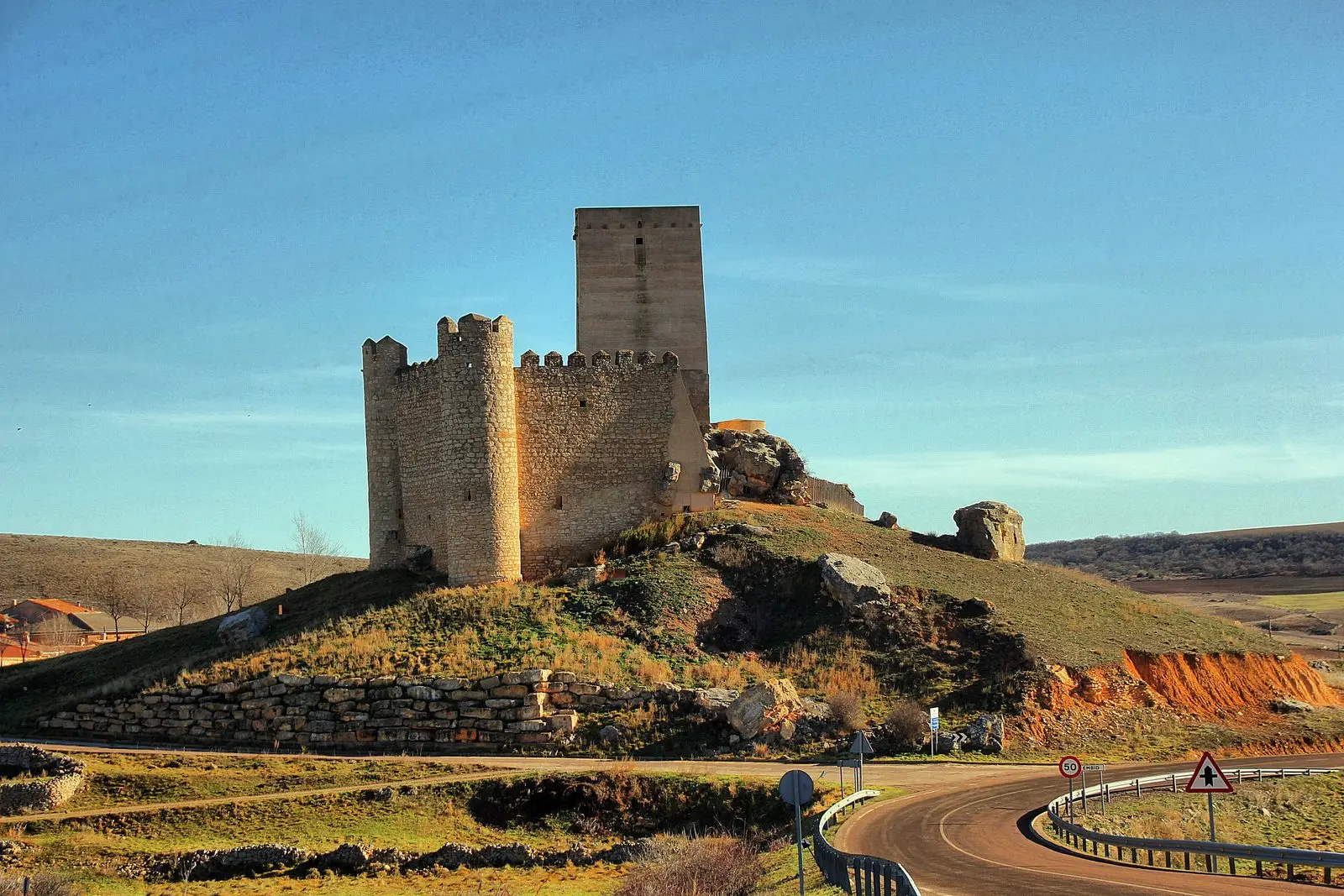
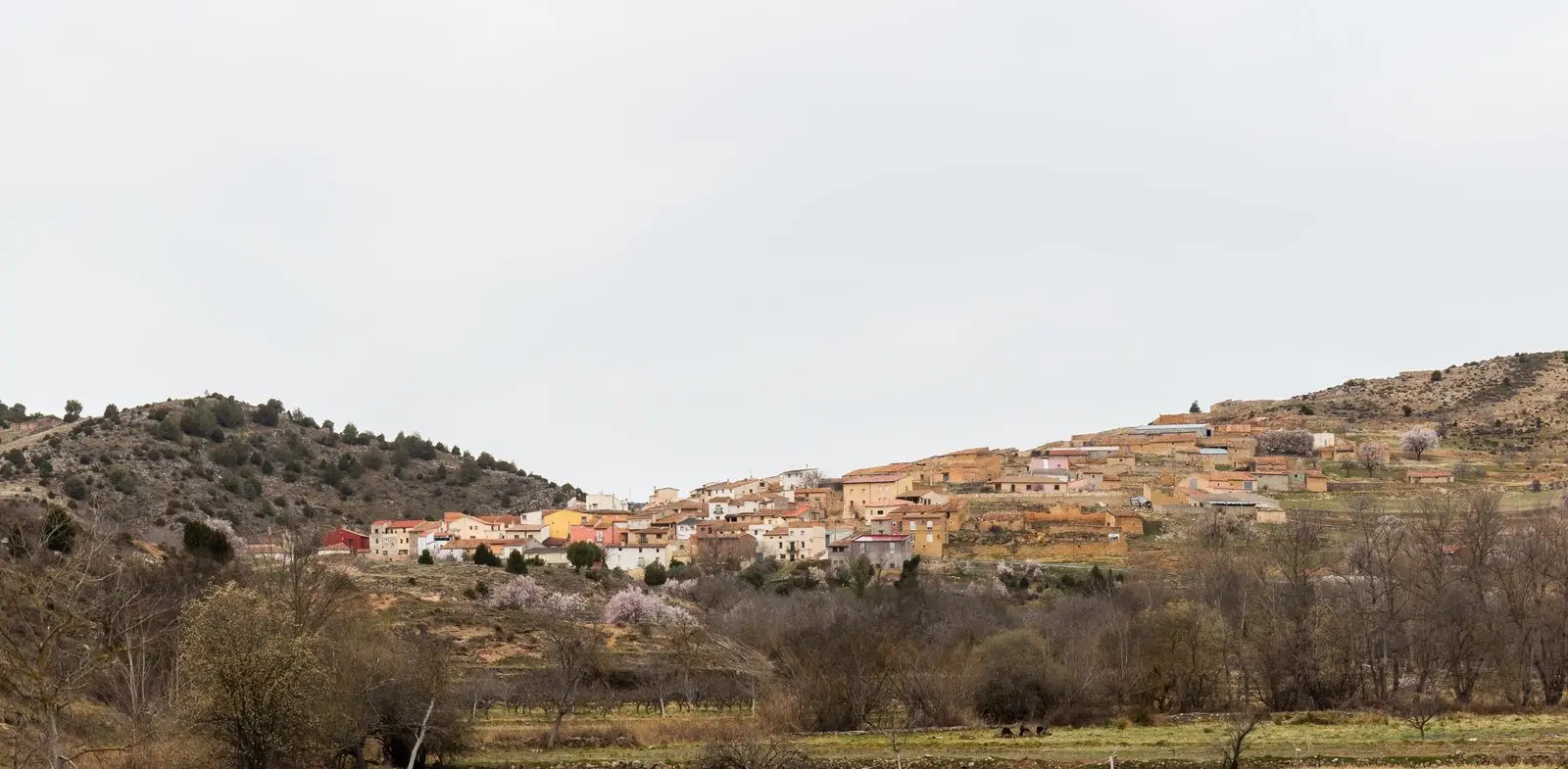
Forest · Maranchón
Maranchón Juniper Forest: the largest Spanish juniper woodland in Europe
The Maranchón Spanish juniper woodland is part of the largest contiguous Juniperus thurifera forest in Europe, stretching between Arcos de Jalón (Soria) and Maranchón (Guadalajara). Spanish juniper is an evergreen tree almost exclusive to Iberia, producing hard, aromatic rot-resistant timber used for centuries by carpenters and for building sheepfolds.
Lands and landscapes
From here, follow the memory of the territory
These readings connect Maranchón Juniper Forest: the largest Spanish juniper woodland in Europe with the history, work, and villages around it.
- Municipality
- Maranchón
- Province
- Guadalajara
- Altitude
- 1,298 m
- Spanish juniper
- Largest juniper wood in Europe
- Codes and Mochales
- Natura 2000
A forest of Spanish junipers
Between the high plains of northern Guadalajara and those of Soria spreads, with few interruptions, the largest Spanish juniper woodland in Europe. It extends from Arcos de Jalón in Soria down to Maranchón, passing through Sagides, Chaorna, Judes, Iruecha, Codes, and Mochales. In more open stands it continues across Campo Taranz and into the Alto Tajo.
The tree
The Spanish juniper (Juniperus thurifera) is an extremely slow-growing evergreen tree with scaled foliage, capable of enduring severe frosts and prolonged summer droughts. It grows almost exclusively on the Iberian Peninsula, with small relict outposts in the French Alps and Morocco. Its timber is hard, aromatic, and virtually rot-proof: it provided the central pillars of traditional chozones and remains prized by cabinetmakers.
A pastoral landscape
Many junipers show pruned crowns from centuries of pollarding, when branches were lopped to feed livestock during snows. The woodland borders the protected high plains and shares much of its steppe fauna.
Location
● Reference point · ● Villages · ● Places
Location diagram. Detailed map with tracks and names loads on zoom.
Reference villages: Codes · Maranchón · Mazarete · Ciruelos del Pinar.
Open the full map and historical layers →