Museum · Checa
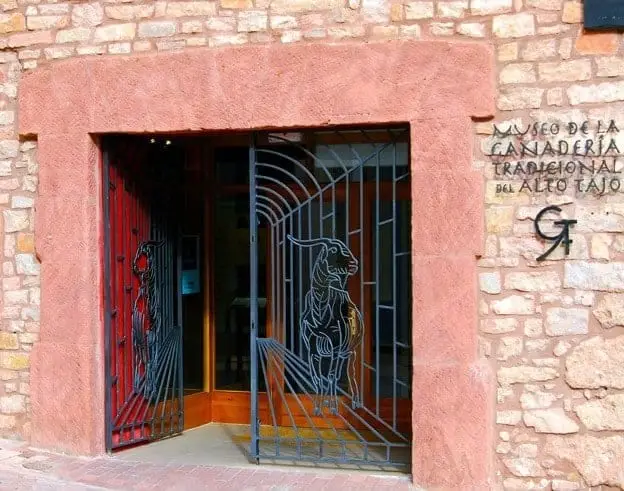
Museum of Traditional Pastoral Life of the Alto Tajo (Checa)
The Museum of Traditional Pastoral Life of the Alto Tajo is in Checa, in a building adjoining the town hall dating from the 17th and 18th centuries. It explains how livestock grazing and forestry shaped the Park's landscape. Three floors: reception, exhibition, and audiovisual room.
Lands and landscapes
From here, follow the memory of the territory
These readings connect Museum of Traditional Pastoral Life of the Alto Tajo (Checa) with the history, work, and villages around it.
This place across time
Which eras you can read here
A single place can preserve traces from different eras. These layers connect what you see with the stories in the atlas.
- Municipality
- Checa
- Province
- Guadalajara
- Pastoral life
- Transhumance
- Three floors
- Information point
The landscape made by herds
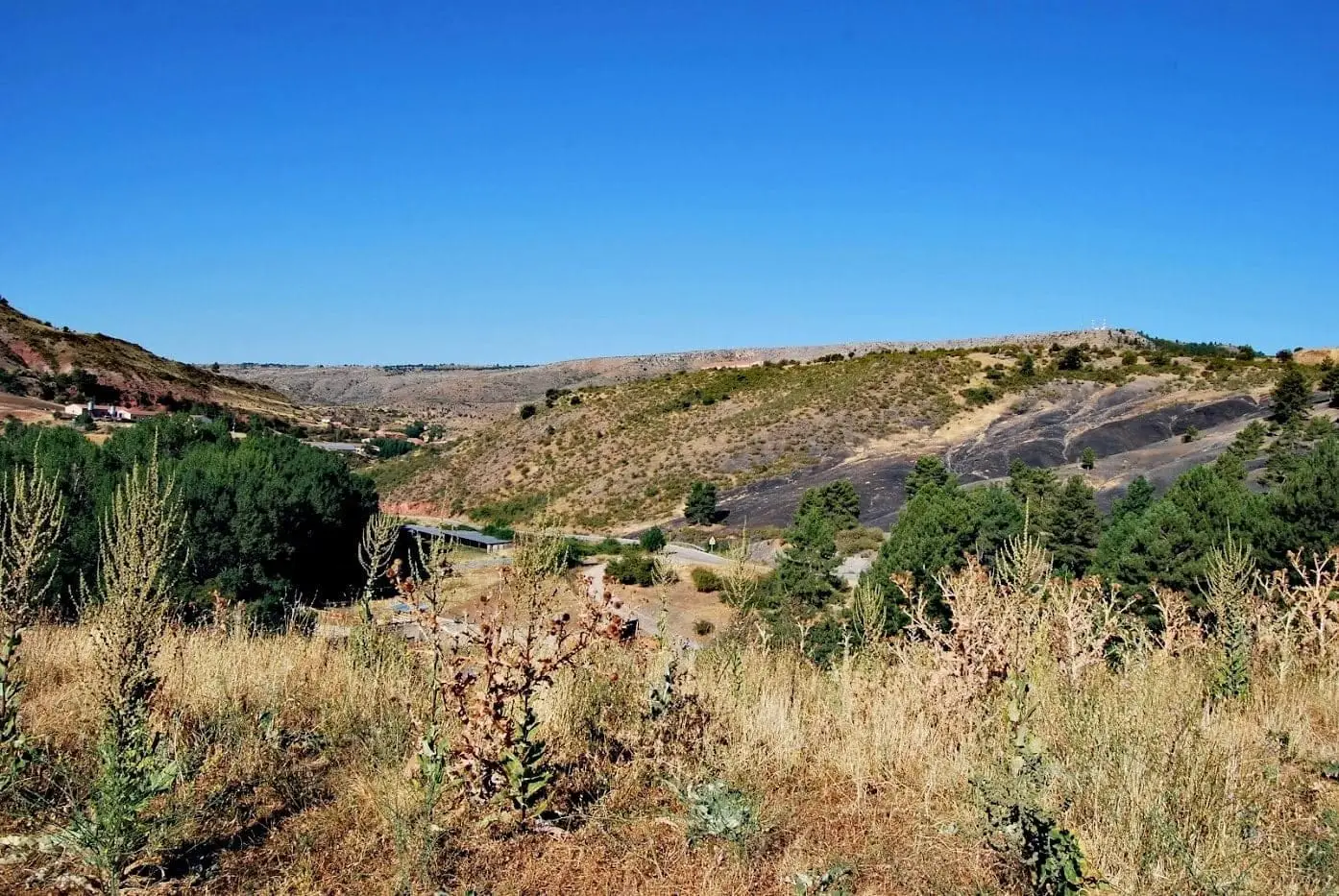
The Alto Tajo we see today cannot be understood without pastoral farming. For centuries, alongside logging, grazing herds shaped the landscape: pastures, open oak meadows, drovers’ routes, and stone shelters. That history is what this museum explains.
The visit
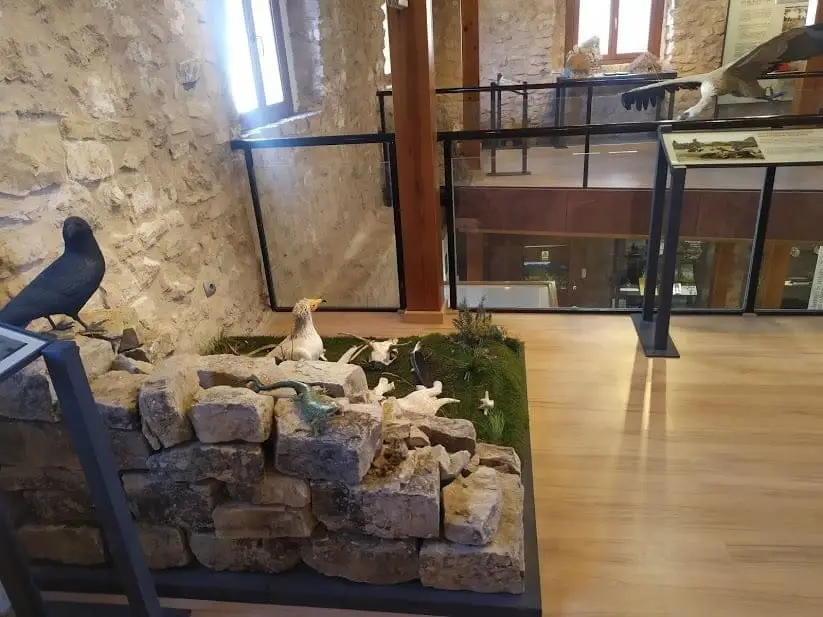
An open space across three floors: the ground floor for reception and introduction; the second floor with the permanent exhibition; and the third floor with an audiovisual room. It also functions as a local visitor information point. It is in the centre of Checa, right next to the historic centre.
Planning the visit
Add this visit to your stroll through Checa to appreciate the connection between the village, high pastures, and pastoral life.
Before you go
Confirm opening times and entry conditions. It makes an excellent indoor option during poor weather when open, but is not open continuously.
Pairing your trip
Continue to Checa. Check its page to see if it fits into your visit.
Photo: El Observario
Location
● Reference point · ● Villages · ● Places
Location diagram. Detailed map with tracks and names loads on zoom.
Approximate position: village centre.
Reference villages: Checa · Chequilla · Alcoroches · Orea.
Open the full map and historical layers →