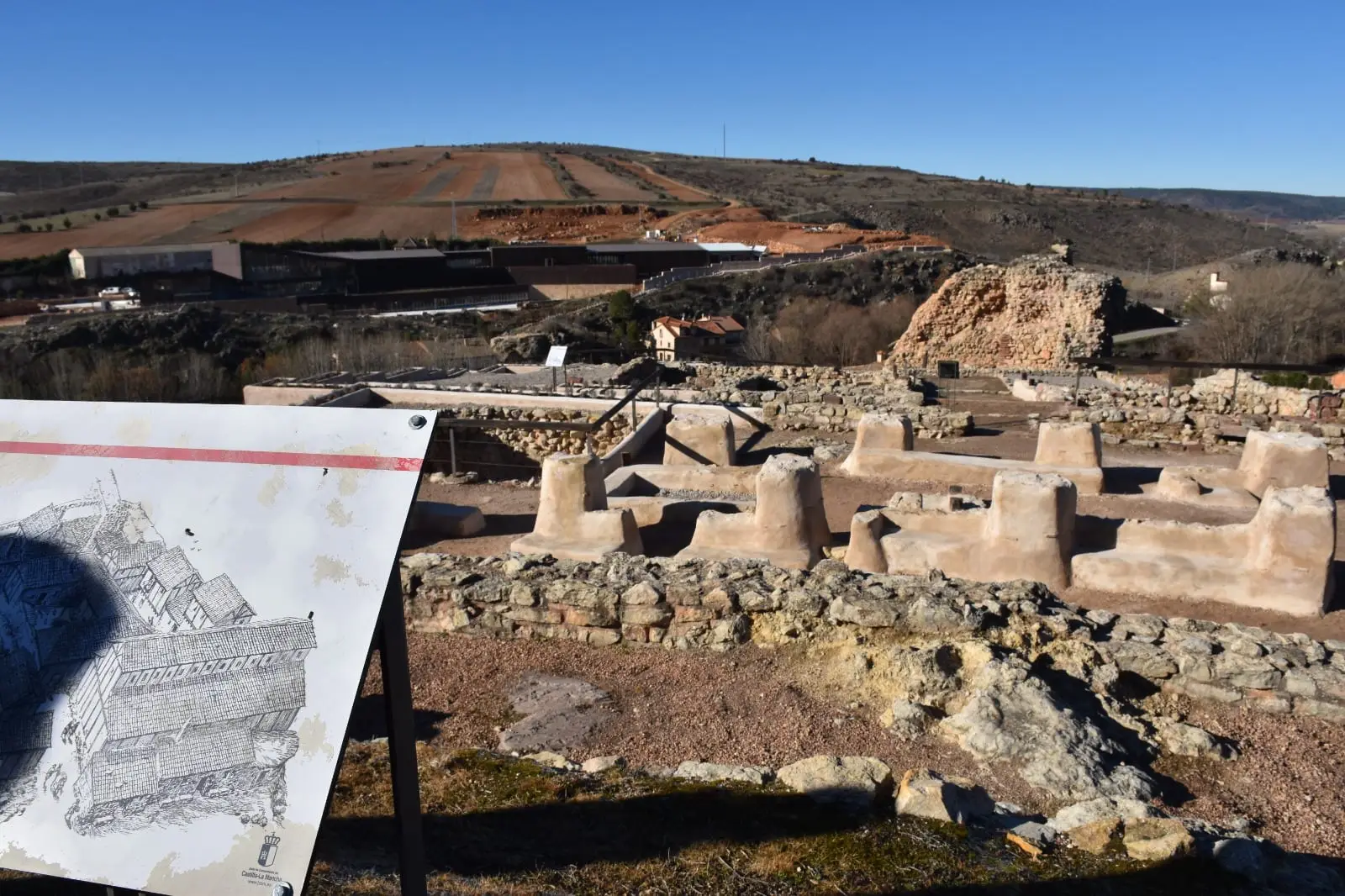
Alto Tajo · 27 places
Archaeological sites and rock art in the Alto Tajo
The Alto Tajo preserves human traces from almost every epoch: Neanderthals and Paleolithic cave art in the Cueva de los Casares, rock art shelters, Celtiberian castros like El Ceremeño or Castil-Griegos, Roman mines, and petroglyphs. This guide gathers the archaeological heritage of the atlas.
Long before medieval castles, these lands were already inhabited. The Celtiberians erected fortified hillforts (castros) upon ridges and rocky spurs, and before them, Paleolithic hunters left engravings and paintings in caves and shelters.
Tread lightly
Archaeological remains are protected heritage. Never touch rock paintings or engravings, take nothing from the ground, and respect all fences and barriers.
Traces to explore further
These locations connect this theme with local stories across the territory. Choose a trace and visit its guide to follow the narrative:
- Cueva de Los Casares: The guided cave visit: book in advance.
- Castro Celtibérico El Ceremeño: Discover the Celtiberian hillfort; check access conditions.
- Abrigos Rupestres de Rillo de Gallo: Rock art shelters requiring careful respect for conservation guidelines.
This landscape through layers of time
The places in this theme preserve traces of these eras. A single place can appear in several.
All places (27)
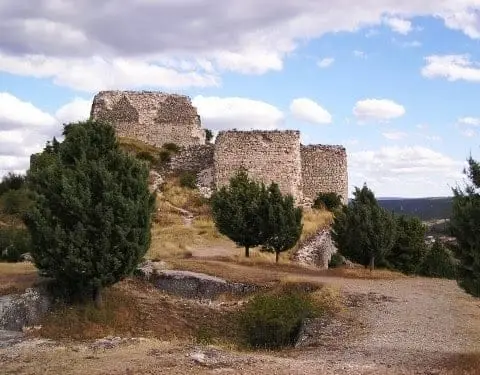
Castle of Rochafrida (Beteta): the fortress upon the black cliff
Beteta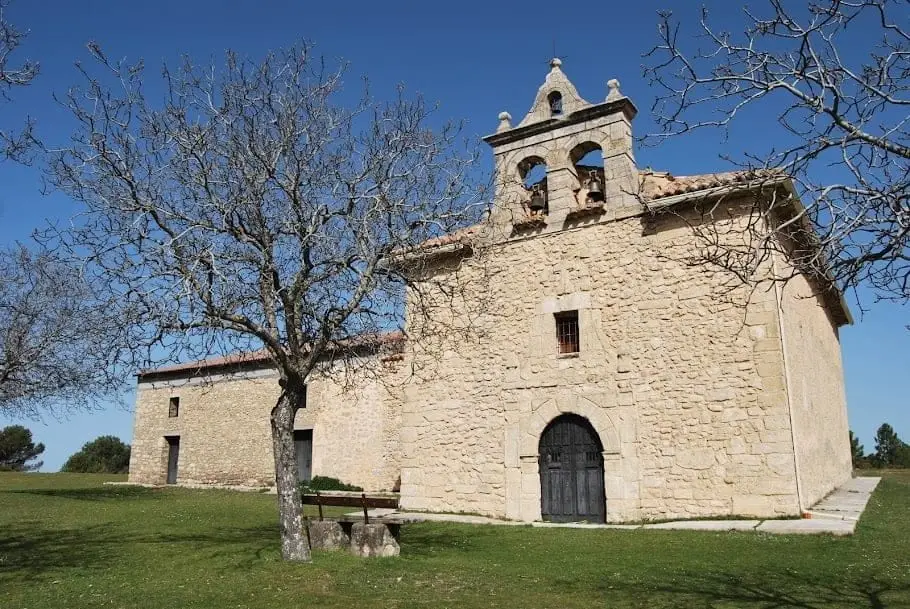
Hermitage of the Virgen de la Bienvenida (El Recuenco)
El Recuenco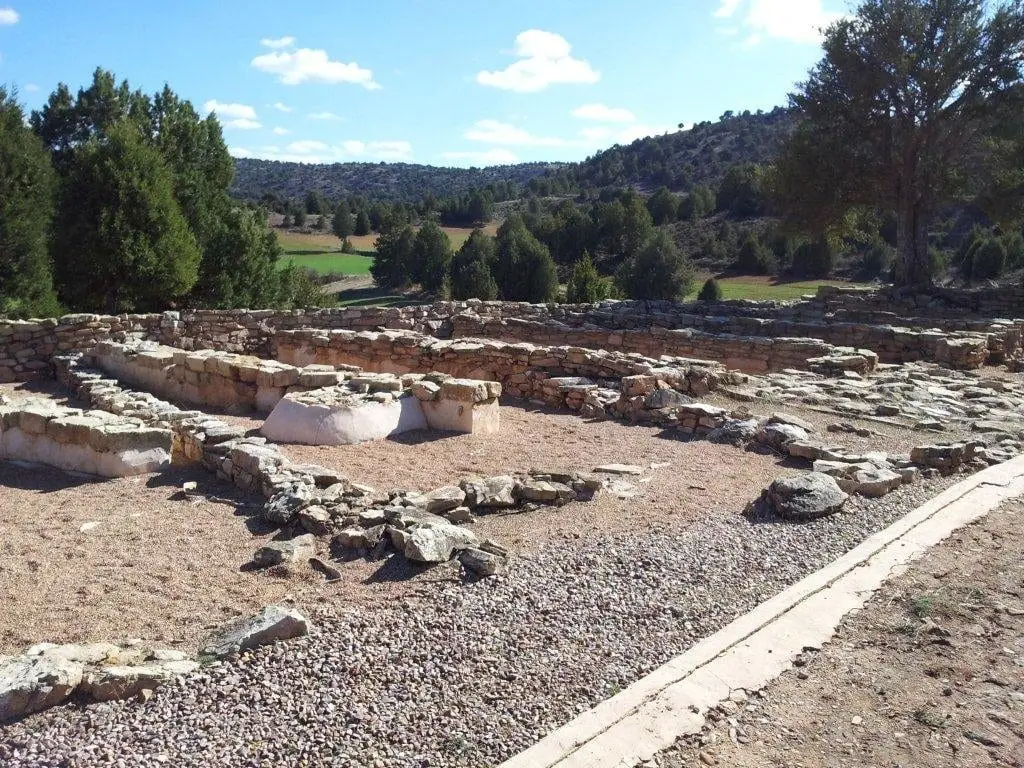
Celtiberian hillfort of El Ceremeño (Herrería)
Herreria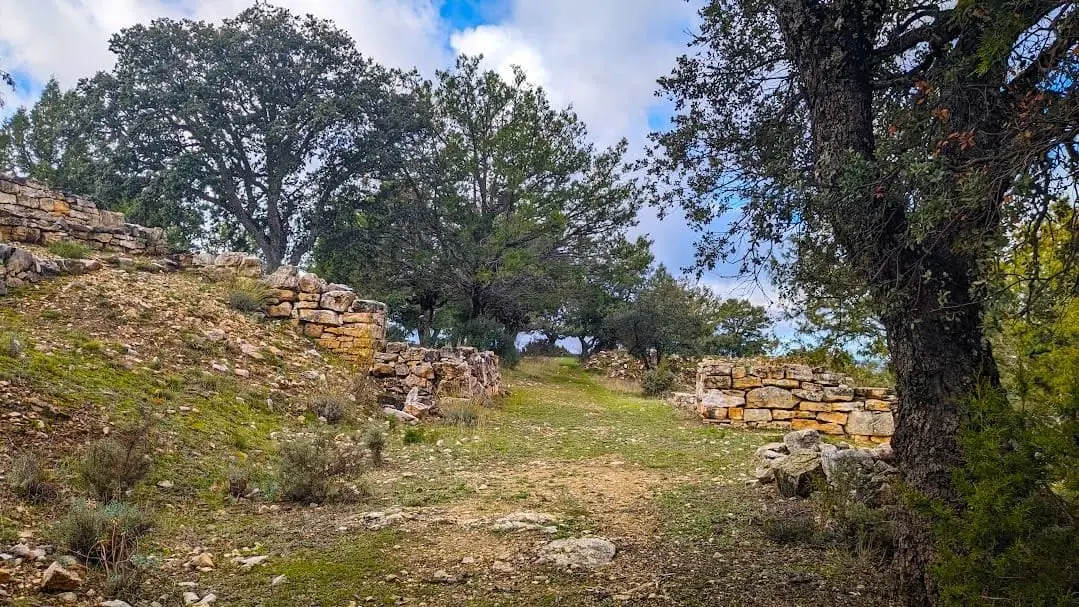
Celtiberian hillfort of Peña Moñuz (Olmeda de Cobeta)
Olmeda de Cobeta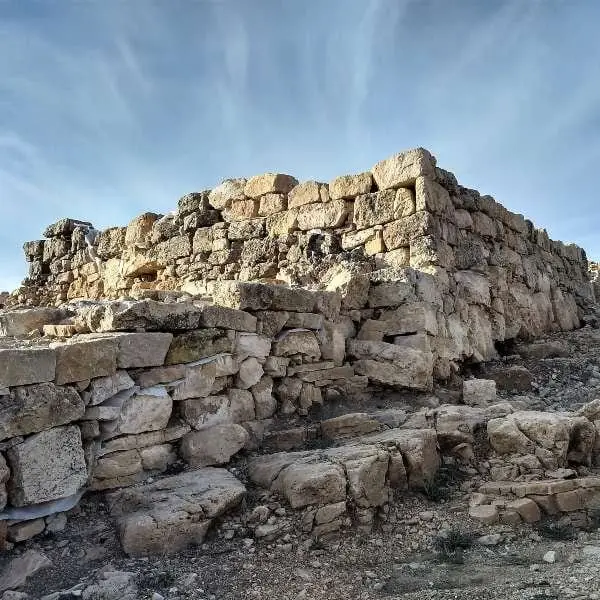
Castro de Castil-Griegos (Checa): Iron Age beside the Aguaspeña
Checa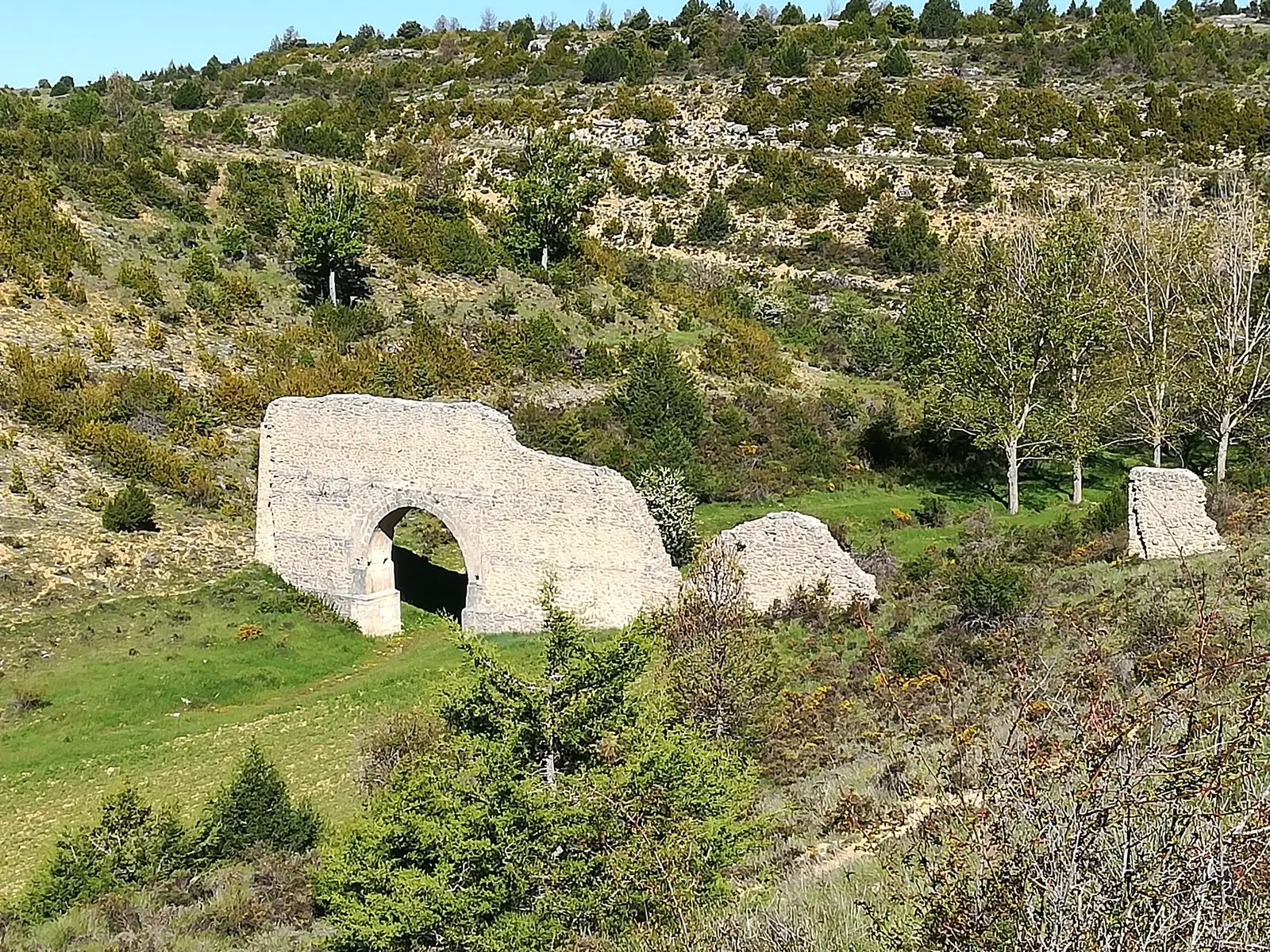
Aqueduct of Zaorejas: the 'Roman bridge' of Fuentelengua ravine
Zaorejas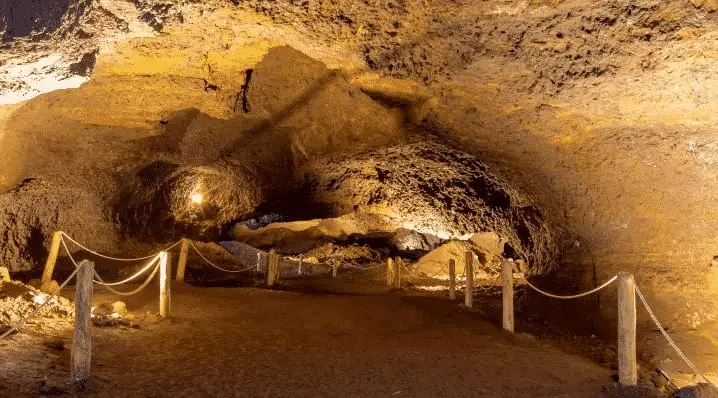
Roman mine of Cueva del Hierro: 2,500 years of iron mining
Cueva del Hierro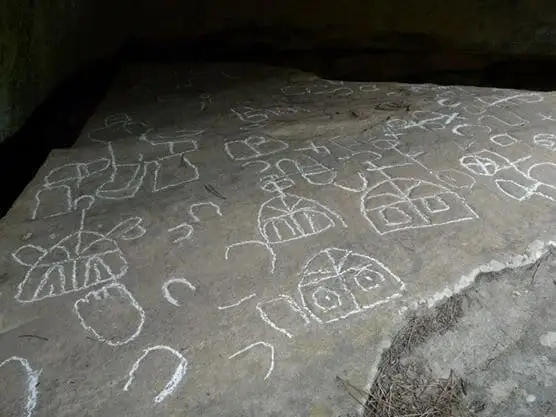
Peña Escrita (Canales de Molina): rock engravings with human figures
Canales de Molina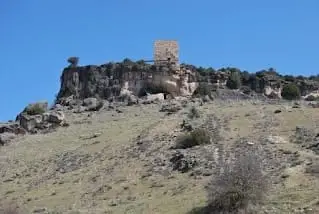
Cueva de los Casares: Paleolithic art, Neanderthals, and Islamic tower
Riba de Saelices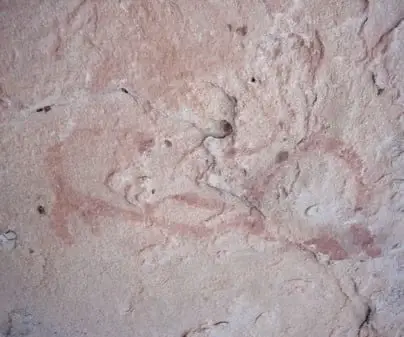
Rock shelters of Rillo de Gallo: UNESCO World Heritage Levantine art
Rillo de Gallo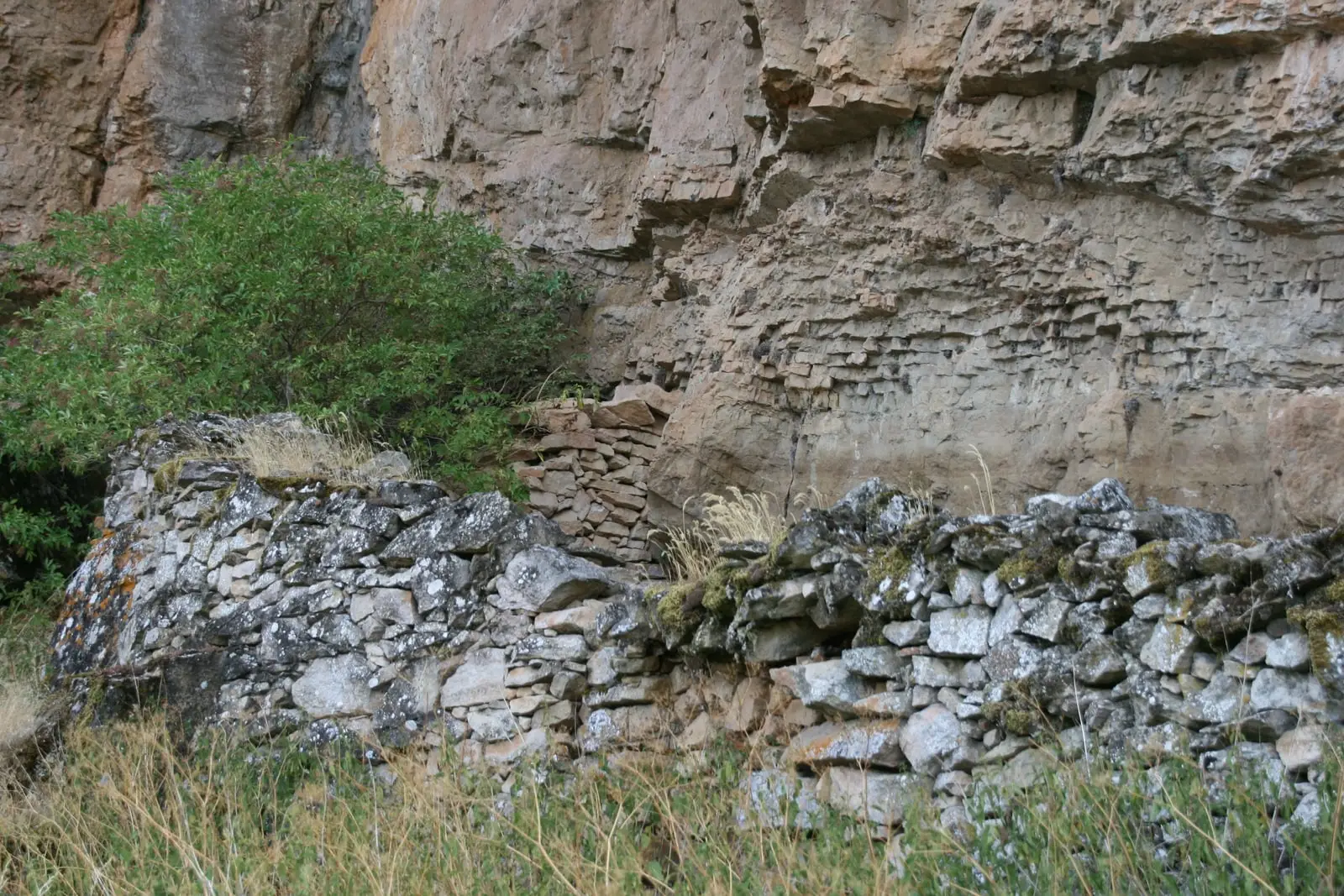
Cueva de la Hoz (Santa María del Espino): Paleolithic art of the Tajuña
Santa María del Espino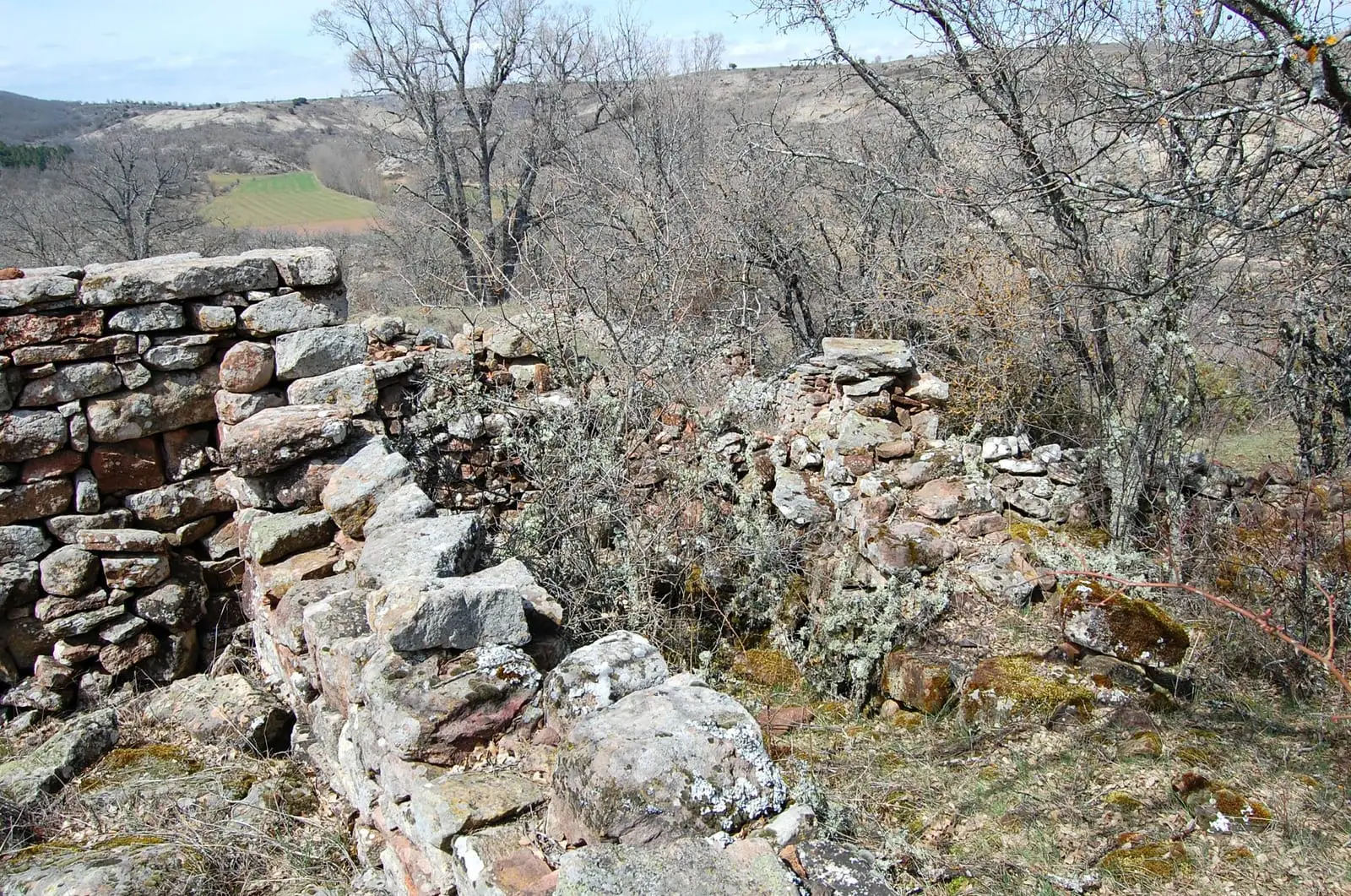
La Cava (Luzón): a Celtiberian town above the Tajuña
Luzón