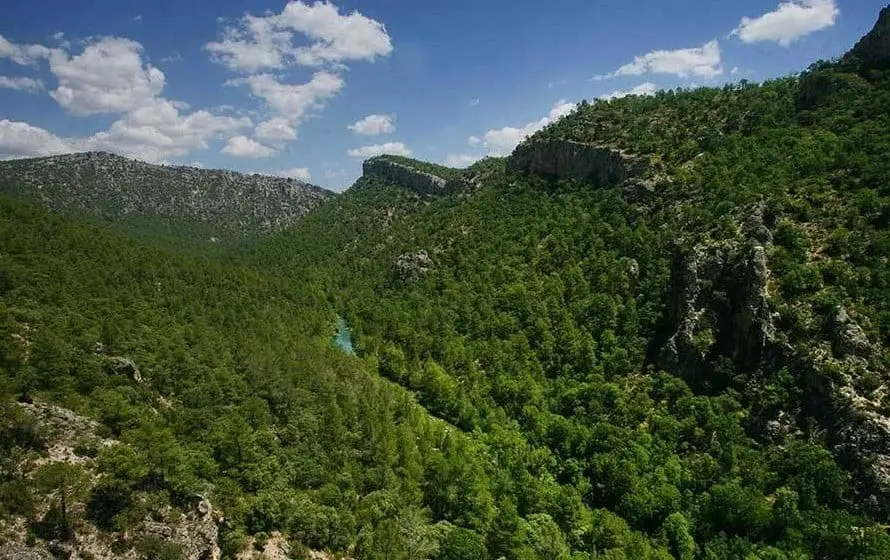
Historical land · territorial memory
When these villages looked toward Cuenca
El Recuenco and Villanueva de Alcorón belonged to Cuenca until the 19th century: pine forests, glassworks and a border drawn by the Tagus.
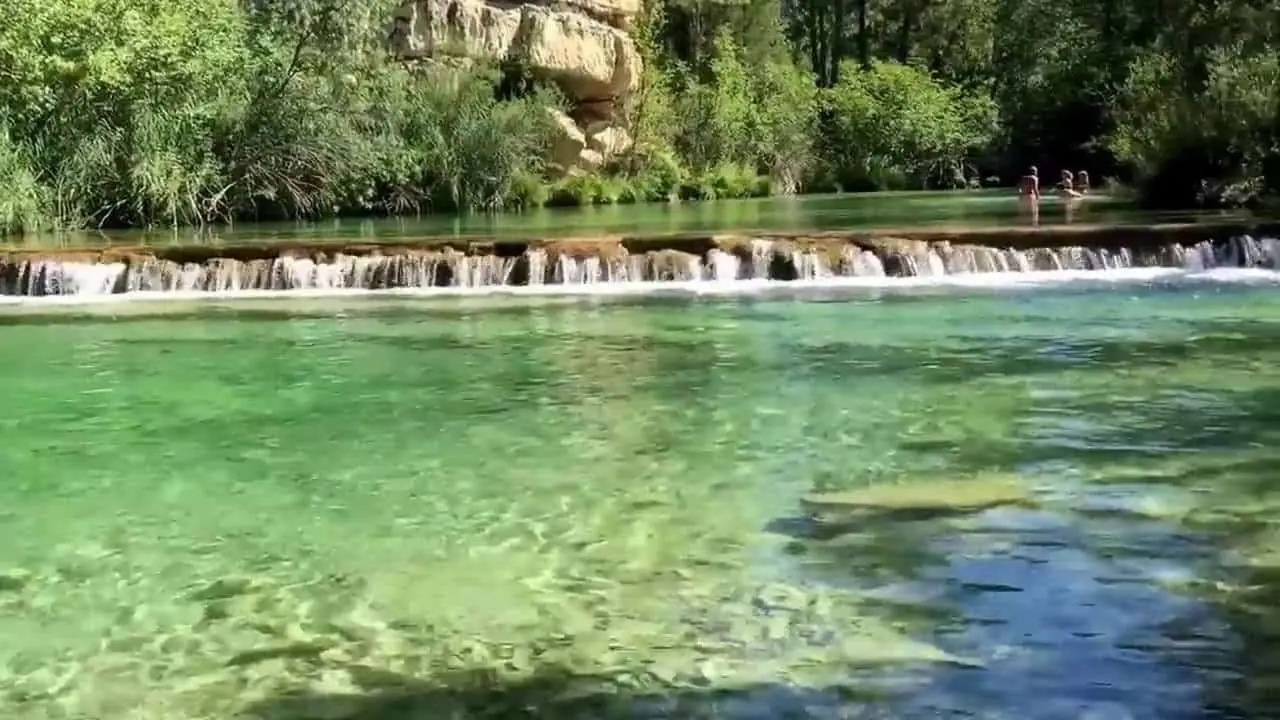
El Recuenco was a hamlet of the Sexmo de la Sierra in the territory of Cuenca until receiving royal town status on 10 May 1553. According to historian María José Sánchez Moreno, it was transferred to Guadalajara province in 1810. Villanueva de Alcorón followed in 1833 according to Abarca magazine, while remaining tied to the diocese of Cuenca until 1955: civil and ecclesiastical borders diverged at different historical junctures.
That territory drew its living from pine forestry and fire. In Zaorejas, Armallones, and Villanueva de Alcorón, pine trees were tapped for resin using a distinct circular scoring technique, and crude oleoresin was distilled in factories at Zaorejas, Villanueva, and Huertapelayo; the province's final operating still in Villanueva closed in 1983. In El Recuenco from the 16th to 19th centuries, master glassblowers produced glassware for El Escorial monastery, the royal court, and across central Spain.
Today ten municipalities form the Mancomunidad del Alto Tajo, with 669 registered residents in 2022 and fewer than one person per square kilometre. The Geopark Guide distinguishes these historical Cuenca territories from the Molina sexmas and the Land of Medinaceli.
Stories to read this land
1860 – 1989
The woodlands that sustained households
Resin tappers worked pines from March to October and the oleoresin was processed in local distilleries. For over a century, thousands of mountain families lived from resin.
Follow the memory of resin →16th – 19th centuries
The glass kilns of El Recuenco
In 1587, Venetian master Guillermo Carrara accepted an order for 500 chemical alembics for the royal pharmacy of El Escorial. In the 18th century, village kilns produced up to 30,000 dozen glass items annually.
Read the story of the glassblowers →Middle Ages – 1960s
Crossing the river
The Puente del Martinete in Peralejos de las Truchas sits directly on the Guadalajara–Cuenca provincial boundary as the first bridge across the main Tagus river. The Puente de las Tres Provincias marks the frontier between Guadalajara, Cuenca, and Teruel.
Read the memory of the waters →1950 – today
Those who departed
The 36 municipalities of the Alto Tajo counted 17,571 inhabitants in 1910 and 2,319 in 2021—an 87% decline concentrated heavily between 1960 and 1981.
Read about the emptied villages →Villages to follow the thread from
Every name opens its locations and memories, leading to other readings of the territory.
Traces on the ground
These places connect stories with what endures. Their guides allow you to locate them on the map and explore them in person.
Puente de San Pedro: where the Tagus and Gallo meet
Zaorejas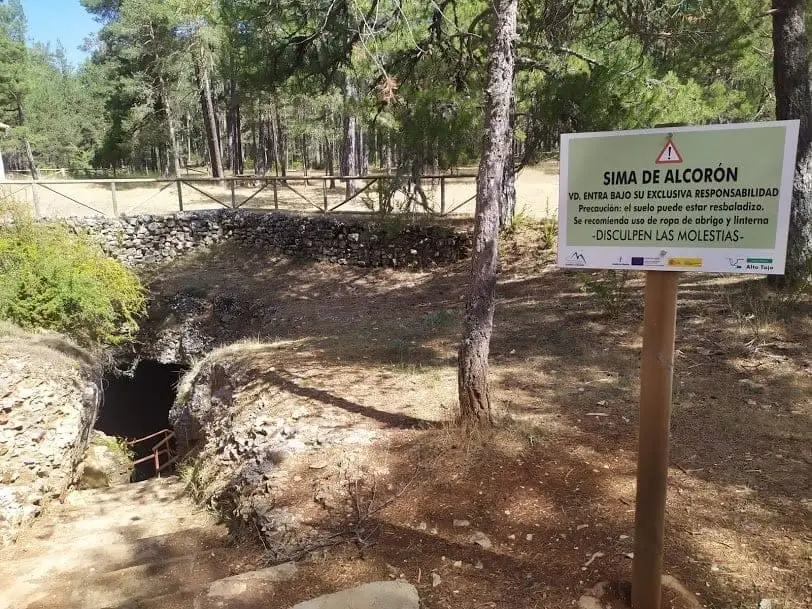
Sima de Alcorón: Descending 63 Metres to the Heart of the Paramera
Villanueva de Alcorón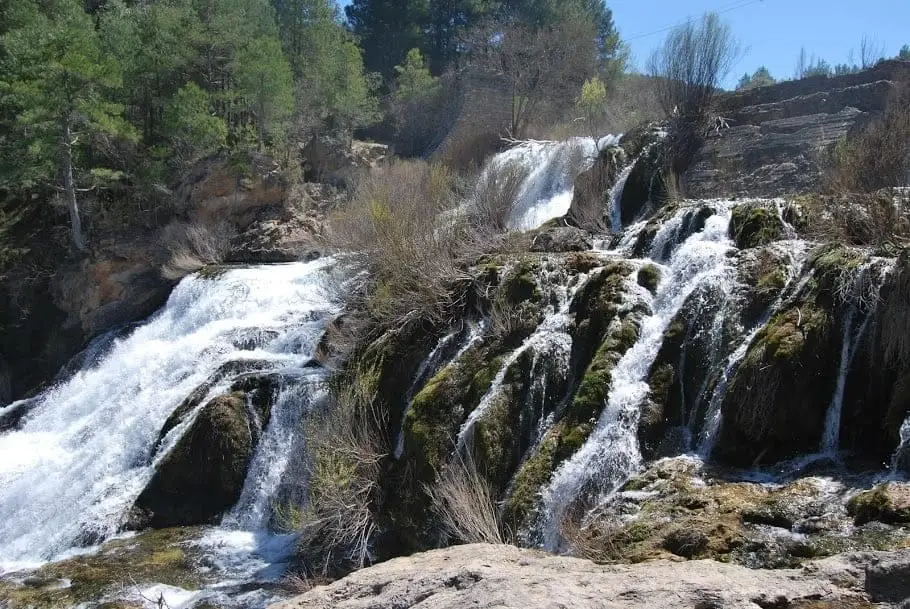
Salto de Poveda: The Largest Waterfall in Alto Tajo
Poveda de la Sierra, Taravilla