Episode · 1138 – 1813 · The frontier and the Señorío
A state between two kingdoms: the Lordship of Molina
For over a century and a half, Molina and its land formed an independent lordship between Castile and Aragón, ruled by the Laras with its own charter from 1154. It passed to Queen María de Molina in 1293; from 1321 its lord was Castile’s king, but the charter and four-sexma organisation lasted until 1813. The common land survives in the region called the Señorío de Molina.
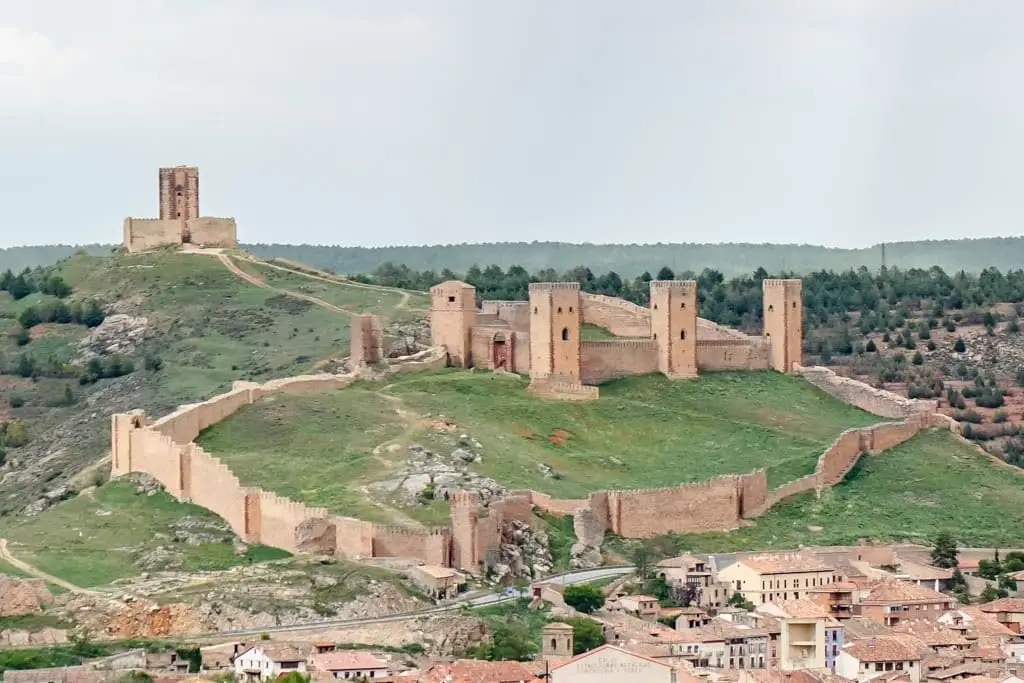
Photo: El Observario
A land on the border
Few Spanish places carry history so strongly in their names. Villages belong to the Señorío; the city is Molina de Aragón, although in Castile; and “the land” means something precise: town and villages governing themselves together under their own laws for almost seven centuries.
It begins on a frontier. In the 11th century Molina headed a small Andalusi taifa. The Cantar de mio Cid remembers its governor Abengalbón, the Moorish friend welcoming the Cid and his people. In 1128 or 1129, depending on sources, Alfonso I the Battler of Aragón took it, but Castile undertook resettlement. Two kingdoms claimed the same land.
Manrique de Lara, lord “by the grace of God”
The solution was a third party. Manrique Pérez de Lara, Castile’s most powerful noble and trusted by both kings, mediated the 1137 agreement of Carrión. Castile returned Calatayud and Daroca to Aragón, and both accepted Manrique as lord of Molina and Mesa. In 1138 a lordship dependent on neither crown began. Its rulers signed Dei gratia, “by the grace of God”, like kings and bishops.
On 21 April 1154, Manrique granted a fuero, a charter recording established customs related to other frontier charters. It organised town neighbourhoods into colaciones and the territory into villages. Each year on a late-summer Sunday near Saint Michael’s Day, residents elected the judge, keeper of the council seal, alcaldes, jurados and Caballeros de la Sierra, watching woods and pasture. Election required being a caballero, which meant owning a good horse and battle-ready weapons. Those defending a frontier also governed it.
Manrique died in 1164 at Huete, fighting the Castro family over the guardianship of child-king Alfonso VIII, and was buried at Santa María de Huerta. His descendants ruled Molina for over a century.
Doña Blanca
Molina’s most remembered figure is Blanca Alfonso de Molina, its fifth ruler. Inheriting in 1272, she always lived in Molina. She expanded the charter three times, first at the council’s and villages’ request, reserving principal offices for the town’s knights. She completed the castle, preserving Doña Blanca’s Tower, and founded San Francisco monastery in 1284. Her 1280 church is today’s Santa Clara. The chapter of a hundred knights, thereafter called Doña Blanca’s, and the crossbowmen’s chapter are attributed to her period.
In 1285 she intercepted Aragonese troops returning with plunder and took it from them. Later she sought to marry her daughter to Aragón’s king. Her brother-in-law Sancho IV of Castile, determined that Molina should not become Aragonese, imprisoned her in Segovia’s Alcázar until she accepted his conditions.
She died in Molina in May 1293, leaving the Lordship to Sancho IV and her sister, Queen María de Molina. The small state thus entered Castile’s royal family.
A king as lord
María was queen and twice regent of Castile. On her death, 1 July 1321, the Lordship passed to her grandson Alfonso XI; thereafter its title was linked to the king’s. Molina kept its charter, council and organisation, which inheriting kings swore to respect.
That oath was tested twice. In 1369, after war between Peter I and his half-brother, Henry II gave Molina to French captain Bertrand du Guesclin. Residents rejected a foreign lord and submitted to Peter IV of Aragón. They changed de los Caballeros to de Aragón, also naming Torre de Aragón in his honour. In 1375, the Peace of Almazán returned Molina to Castile but the name remained. In 1465, Henry IV tried granting the Lordship to favourite Beltrán de la Cueva; residents defeated his troops at Rueda, forcing the king to abandon it.
Four sexmas and common land
Like Castile’s frontier communities of town and land, Molina had a principal town and villages sharing woods, pasture and obligations. There were four sexmas: Campo, Pedregal, Sabinar and Sierra. The name does not mean all communities had six districts; numbers varied. Veintenas and quiñones also divided land and burdens.
- Sexma del Campo, the largest, in the north: the upper Mesa and Piedra valleys and the plateau. Algar de Mesa, Amayas, Anchuela del Campo, Campillo de Dueñas, Chilluentes, Cillas, Concha, Cubillejo de la Sierra, Cubillejo del Sitio, Embid, Establés, Fuentelsaz, Hinojosa, Labros, Milmarcos, Mochales, Pardos, Rueda de la Sierra, Tartanedo, Torrubia, Tortuera, Villel de Mesa and La Yunta.
- Sexma del Pedregal, in the east, around the road to Teruel and Valencia. Aldehuela, Anchuela del Pedregal, Anquela del Pedregal, Castellar de la Muela, Castilnuevo, Chera, El Pobo de Dueñas, Hombrados, Morenilla, Novella, Otilla, El Pedregal, Pradilla, Prados Redondos, Setiles, Tordellego, Tordelpalo, Tordesilos, Torrecuadrada de Molina and Torremochuela.
- Sexma del Sabinar, in the west, along the Arandilla and middle and lower Gallo. Aragoncillo, Baños de Tajo, Buenafuente del Sistal, Canales de Molina, Castellote, Cobeta, Corduente, Cuevas Labradas, Cuevas Minadas, Escalera, Fuembellida, Herrería, Lebrancón, Olmeda de Cobeta, Rillo de Gallo, Selas, Taravilla, Teroleja, Tierzo, Torete, Torrecilla del Pinar, Torremocha del Pinar, Valhermoso, Valsalobre, Ventosa and Villar de Cobeta.
- Sexma de la Sierra, in the south, along Alto Tajo’s eastern bank and Sierra Molina, bordering Tierra de Cuenca. Adobes, Alcoroches, Alustante, Checa, Chequilla, Megina, Motos, Orea, Peralejos de las Truchas, Pinilla de Molina, Piqueras, Terzaga, Terzaguilla, Traíd and Villanueva de las Tres Fuentes.
Some names now denote abandoned settlements or districts; others remain independent communities. These divisions determined who grazed which pastures and cut wood in which forest. Large woods such as Sierra Molina served the whole territory for centuries.
A peaceful frontier: wool, customs and mansions
After Castile and Aragón united in the late 15th century, the border became business. Molina had a customs house between kingdoms, its territory living from wool. Under the Catholic Monarchs money arrived and the town grew.
From the 16th century families came from Navarre and the Basque Country. Enriched by livestock and land, proud of noble status, they left stone mansions: dressed-stone houses, coats of arms above doorways, wrought-iron grilles, courtyards and broad stairs, mostly 17th- and 18th-century. Notable groups survive in Milmarcos, Tortuera, Tartanedo, Embid, Setiles, Hinojosa and Peralejos de las Truchas. Embid doorways sometimes carry symbols of the livestock that enriched owners.
War made the border matter again. In 1641, Philip IV and the Count-Duke of Olivares gathered parliament and troops in Molina before marching against Catalonia’s revolt. During the War of the Spanish Succession the Señorío remained loyal to Philip V: Habsburg supporters occupied Molina in 1706, Bourbon forces recovering it that year. Wars and 18th-century epidemics began a long decline.
The end: Anguita, 1813
The Lordship remained distinct until the end. Late in the 18th century it came under Cuenca’s administration, then Guadalajara’s from 1802. During the Peninsular War, a Supreme Junta of the Lordship of Molina formed; resistance was such that French troops burned the town in retaliation. Parliament later awarded Very Noble and Very Loyal City. The 1812 Constitution still named the Señorío as a separate entity.
On 25 April 1813, during the war, Anguita constituted the Provincial Council of Guadalajara including Molina. The Lordship dissolved and its charter was abolished after almost unchanged survival for over six and a half centuries. Today’s Guadalajara province was created in 1833.
What remains
Common land survived. The Community of the Royal Lordship of Molina and its Land, based in Molina, manages rural estates, hunting grounds and other village assets, electing representatives by sexma as seven centuries ago. Modern statutes were approved in 1968. The Señorío is the only historic territory expressly named in Castilla-La Mancha’s Statute of Autonomy, which allows legal recognition as a body above municipal level.
It survives in stone: Molina’s castle, among Spain’s largest and a National Monument since 1931; the historic centre, old bridge and medieval Jewish-quarter remains at Prao de los Judíos; border castles such as Zafra, Castilnuevo and Embid; and Armallá’s saltworks, cited in the 1154 charter and described in The salt of the earth. Above all it survives in naming: people here still belong to the Señorío.
The frontier had small names
The 1404–1407 boundary proceedings between Molina and Albarracín preserve names of Sierra Molina’s springs, streams and livestock folds, references for discussing boundaries on familiar ground.
The Lordship’s history can also be followed through those words in A mountain landscape written in names.
Vocabulary
- Sexma
- A district sharing Tierra de Molina’s obligations, pasture and representation. Molina had four: Campo, Pedregal, Sabinar and Sierra.
- Sexmero
- A sexma’s representative before the Común. Today the Community still elects representatives by sexma.
- Veintena
- A subdivision of a sexma, broadly corresponding to a village and its land.
- Quiñón
- A resident’s share in land distribution. Each veintena divided into around five.
- Aportellado
- An office elected annually under the charter: judge, alcaldes and jurados. Holders needed a horse and weapons.
- Colación
- A neighbourhood or parish of Molina, used to organise residents.
- Caballeros de la Sierra
- Mounted guards elected by the council to watch the territory’s woods and pastures.
- Común de Villa y Tierra
- An institution uniting a town and dependent villages to govern shared woods, pastures and commons.
Where to see it today
Castle of Molina de Aragón: 12th-century fortress and Torre de Aragón
Molina de Aragón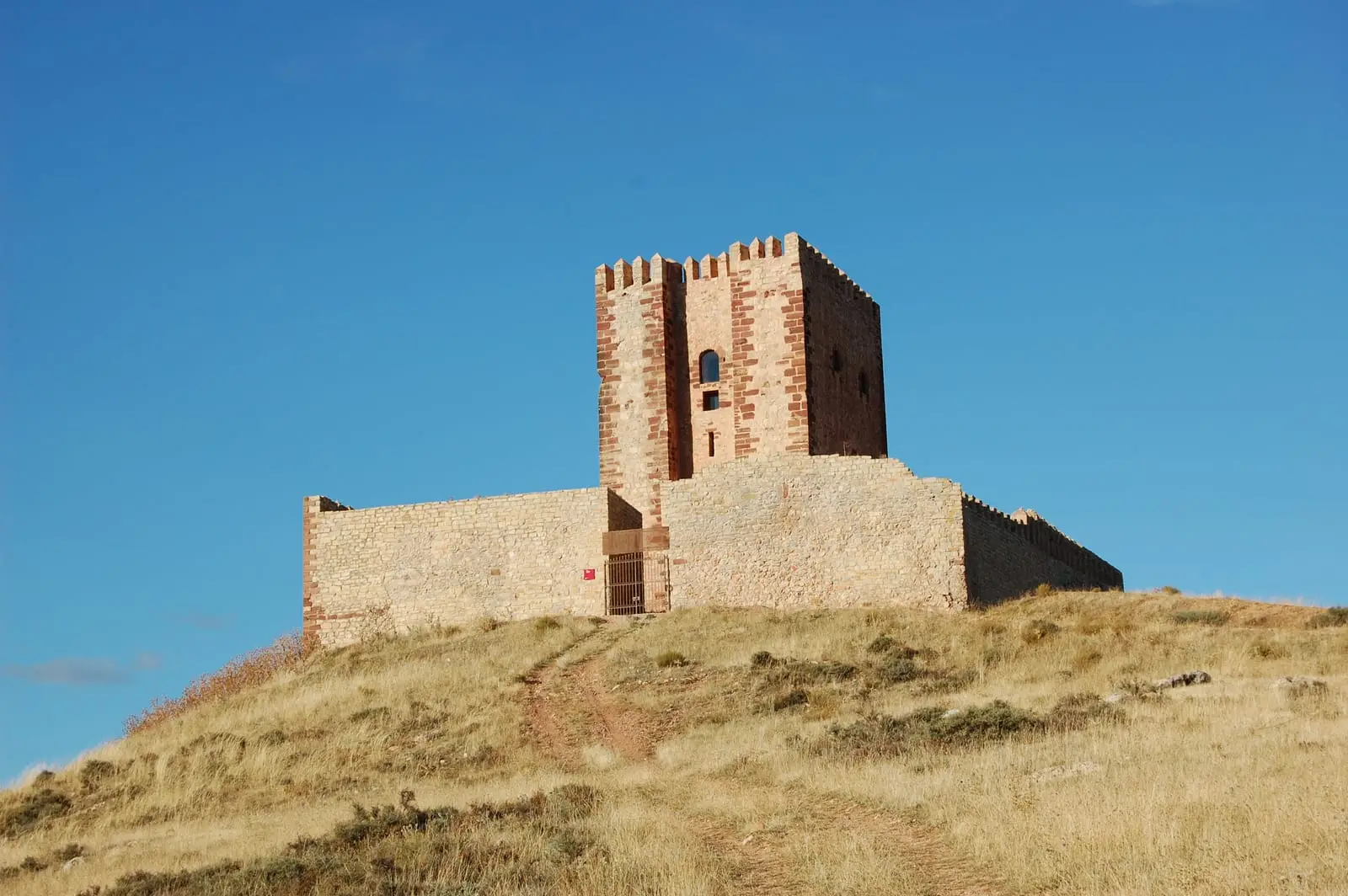
Torre de Aragón: Molina's Pentagonal Watchtower and Interpretation Centre
Molina de Aragón
Torre de Doña Blanca (Taravilla): Watchtower Over the Cabrillas
Taravilla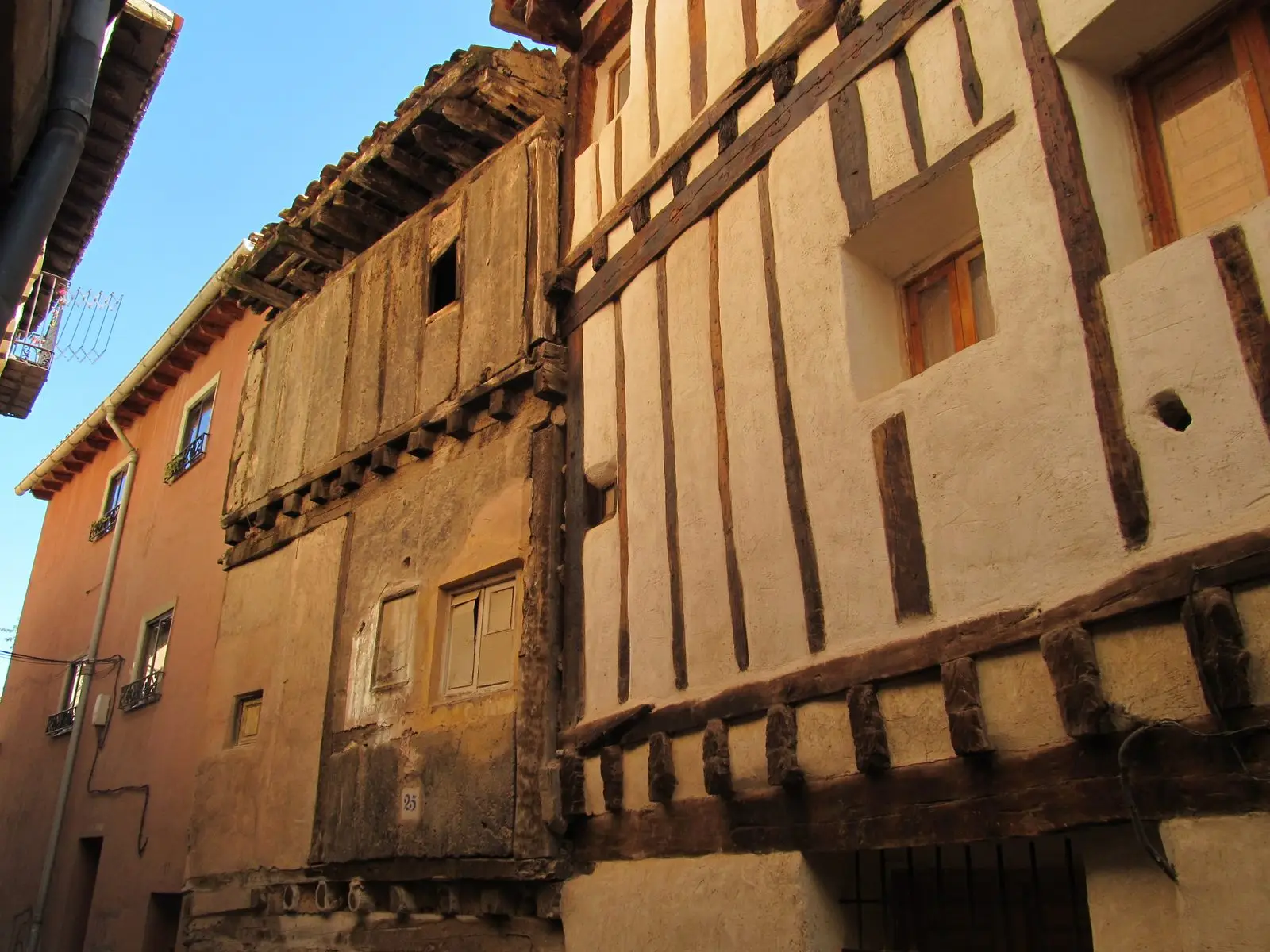
Historic quarter of Molina de Aragón: palaces, Jewish quarter, and Moorish quarter
Molina de AragónChurch of Santa Clara (Molina de Aragón): the Romanesque gem of the town
Molina de Aragón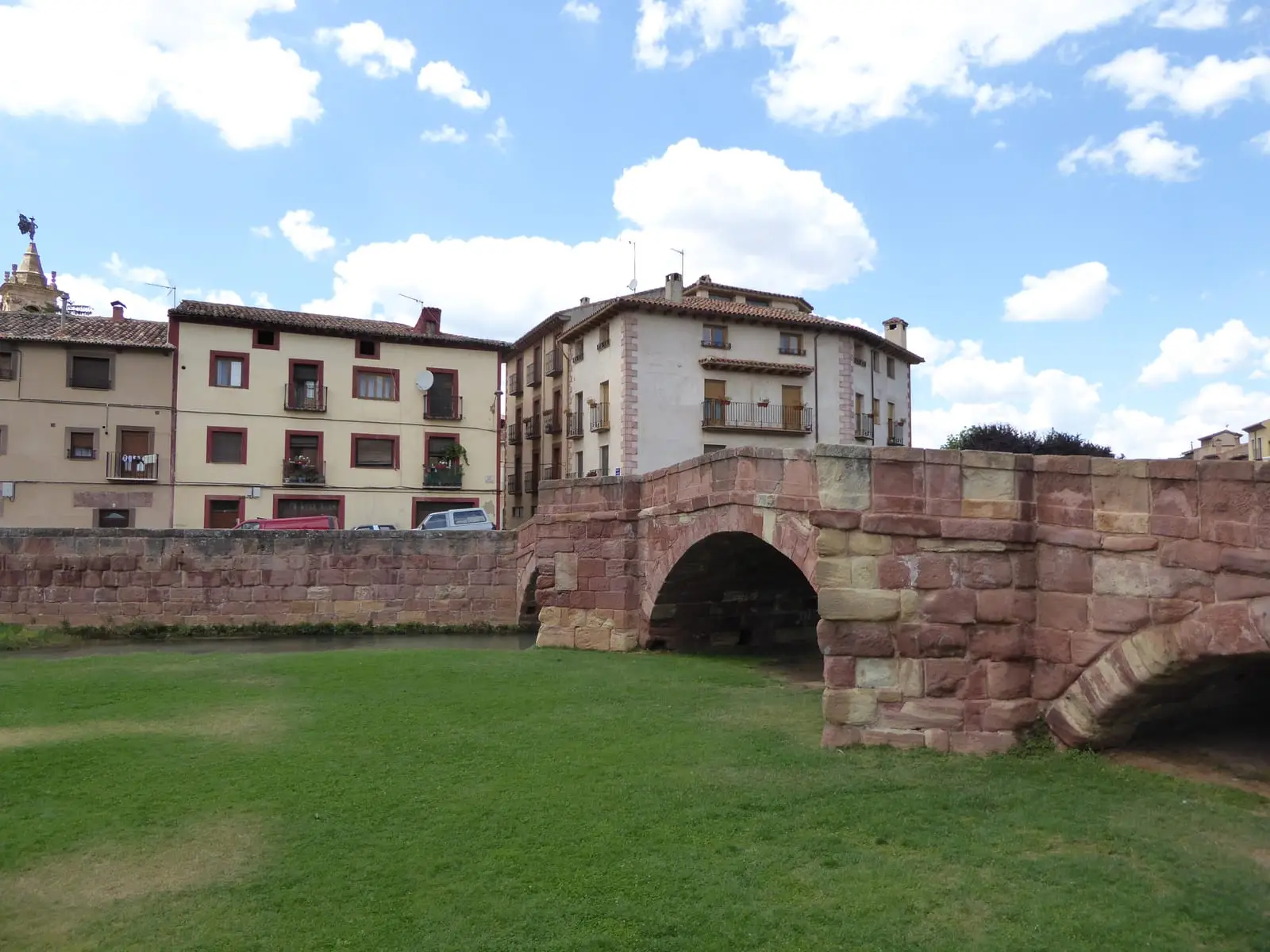
Puente Viejo of Molina de Aragón: the red stone Romanesque bridge
Molina de Aragón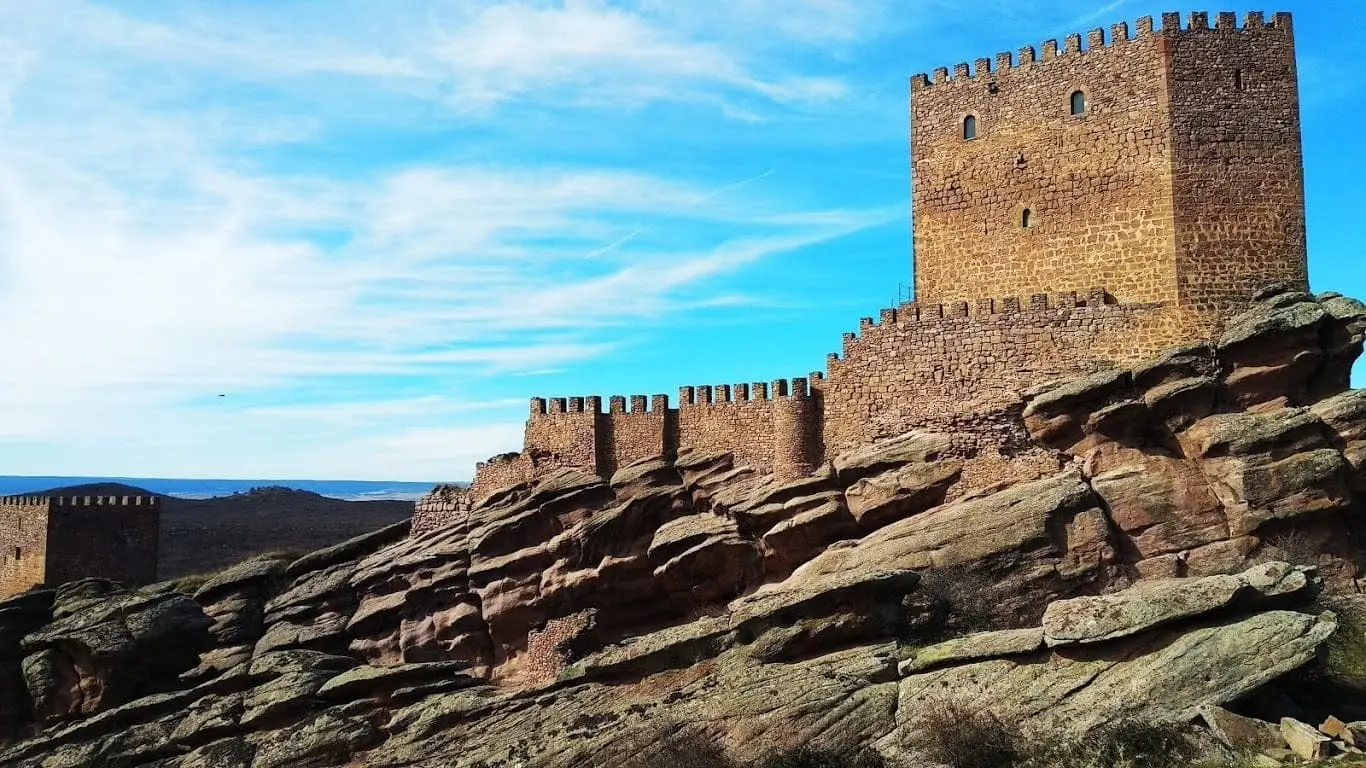
Castle of Zafra: the rock fortress of the Sierra de Caldereros
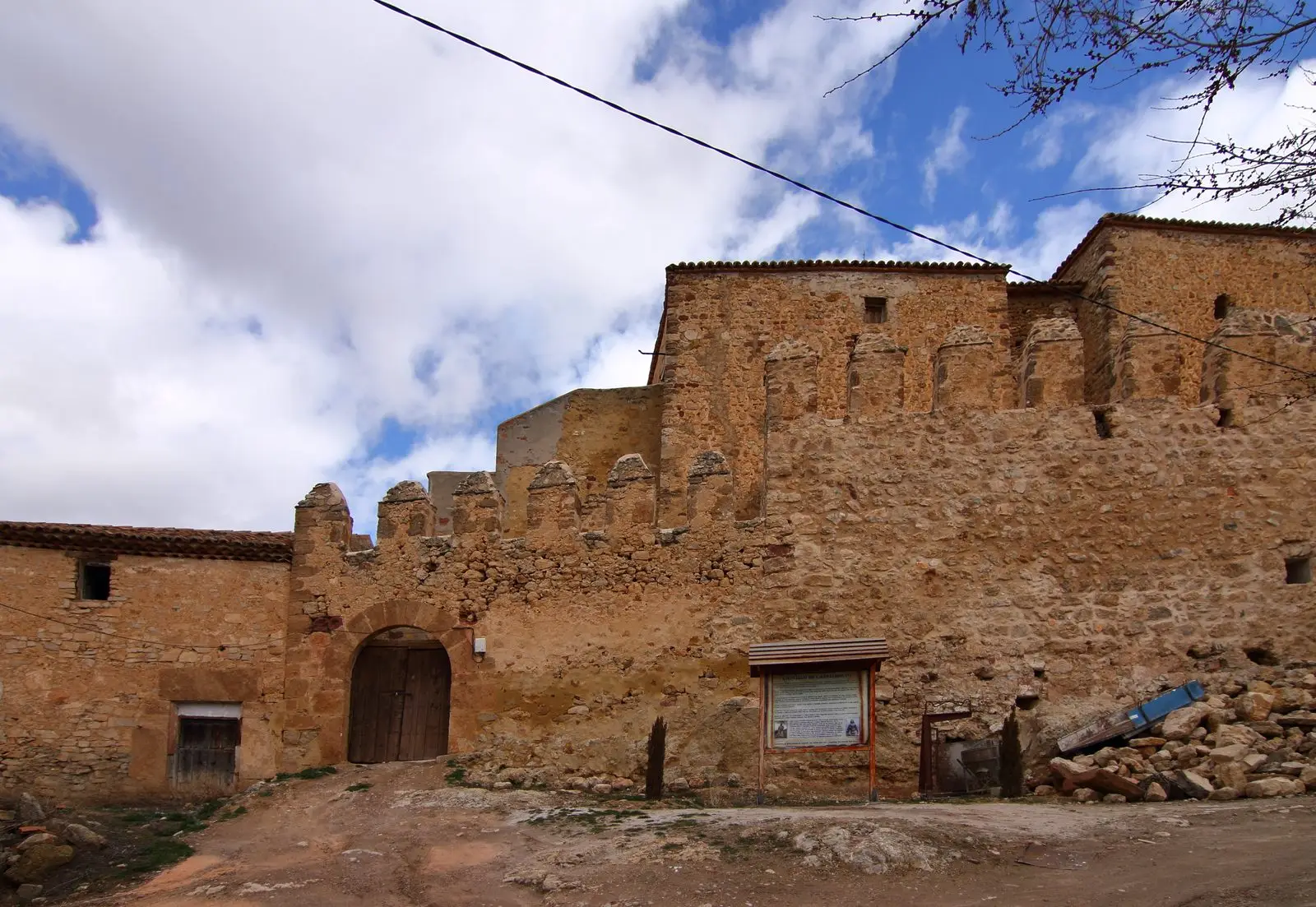
Castle of Castilnuevo: from fortress to palatial manor
Castilnuevo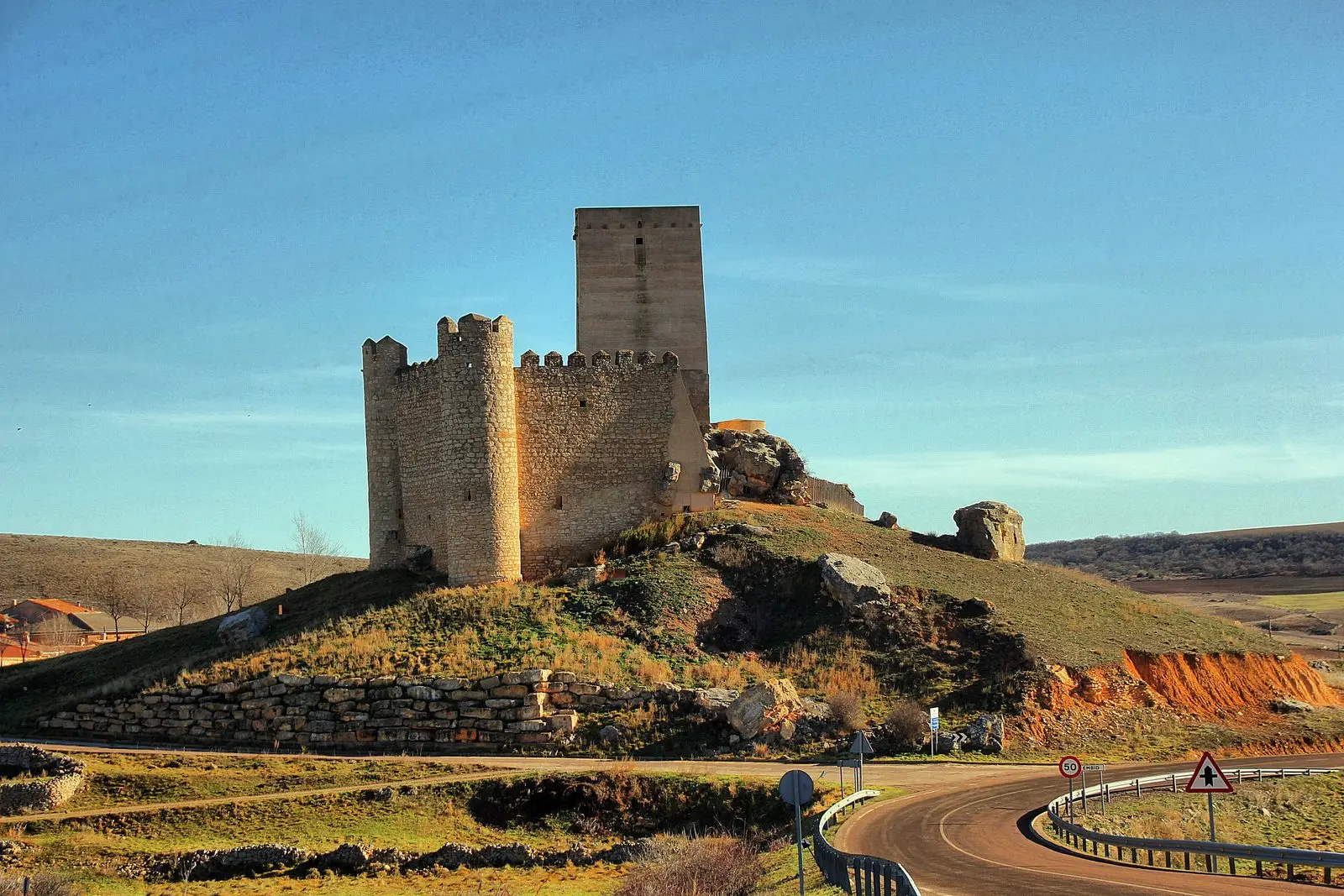
Castle of Embid: the pentagonal stronghold of the Aragon frontier
EmbidTorre de La Yunta: Tower of the Order of Saint John
La Yunta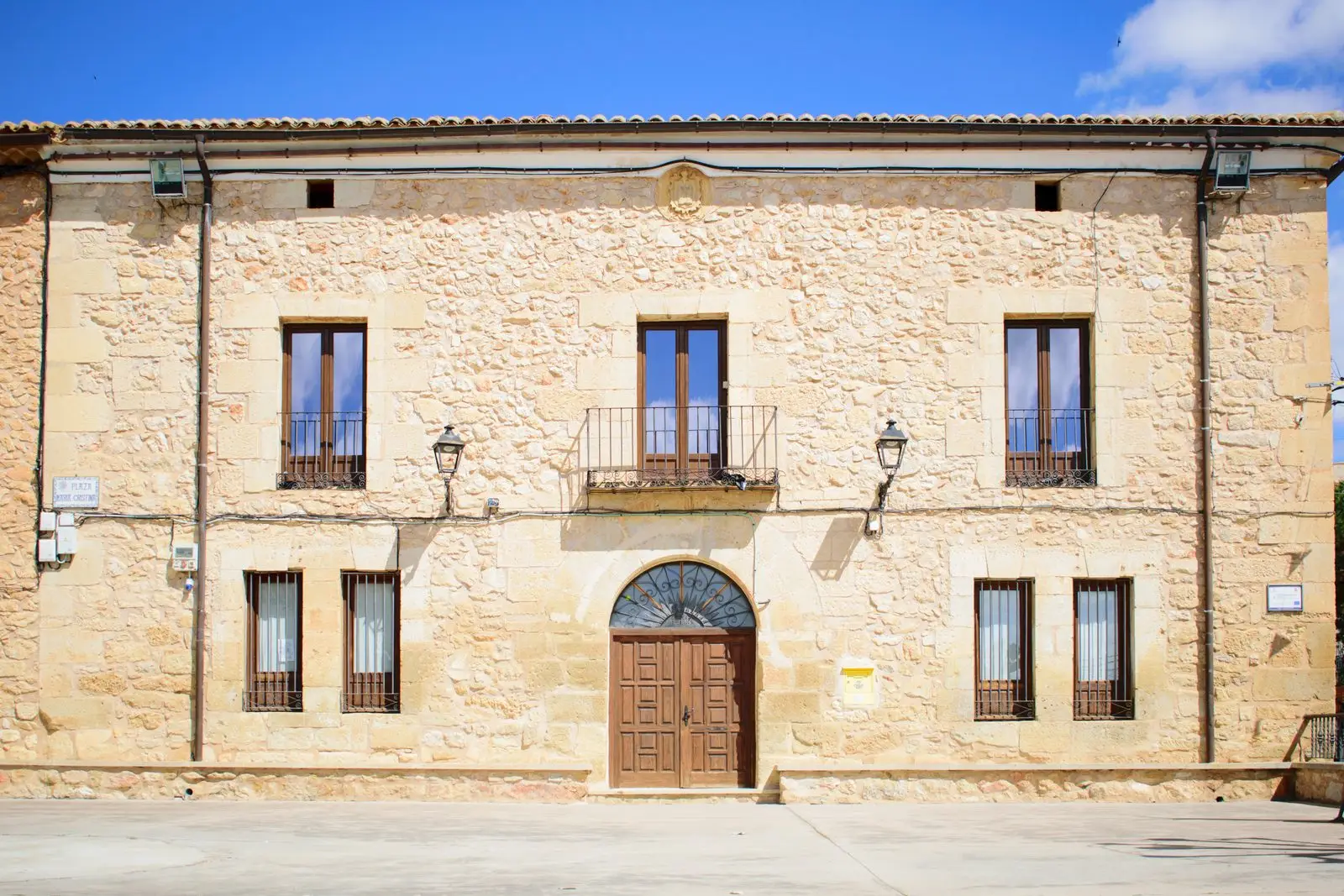
Molina-style manor houses of Tortuera
TortueraCasa de los Utrera: the Baroque palace of Tartanedo
TartanedoMilmarcos: manor houses, Mannerist altarpiece, and a theatre of a prosperous town
MilmarcosBlazoned mansions of Peralejos de las Truchas
Peralejos de las Truchas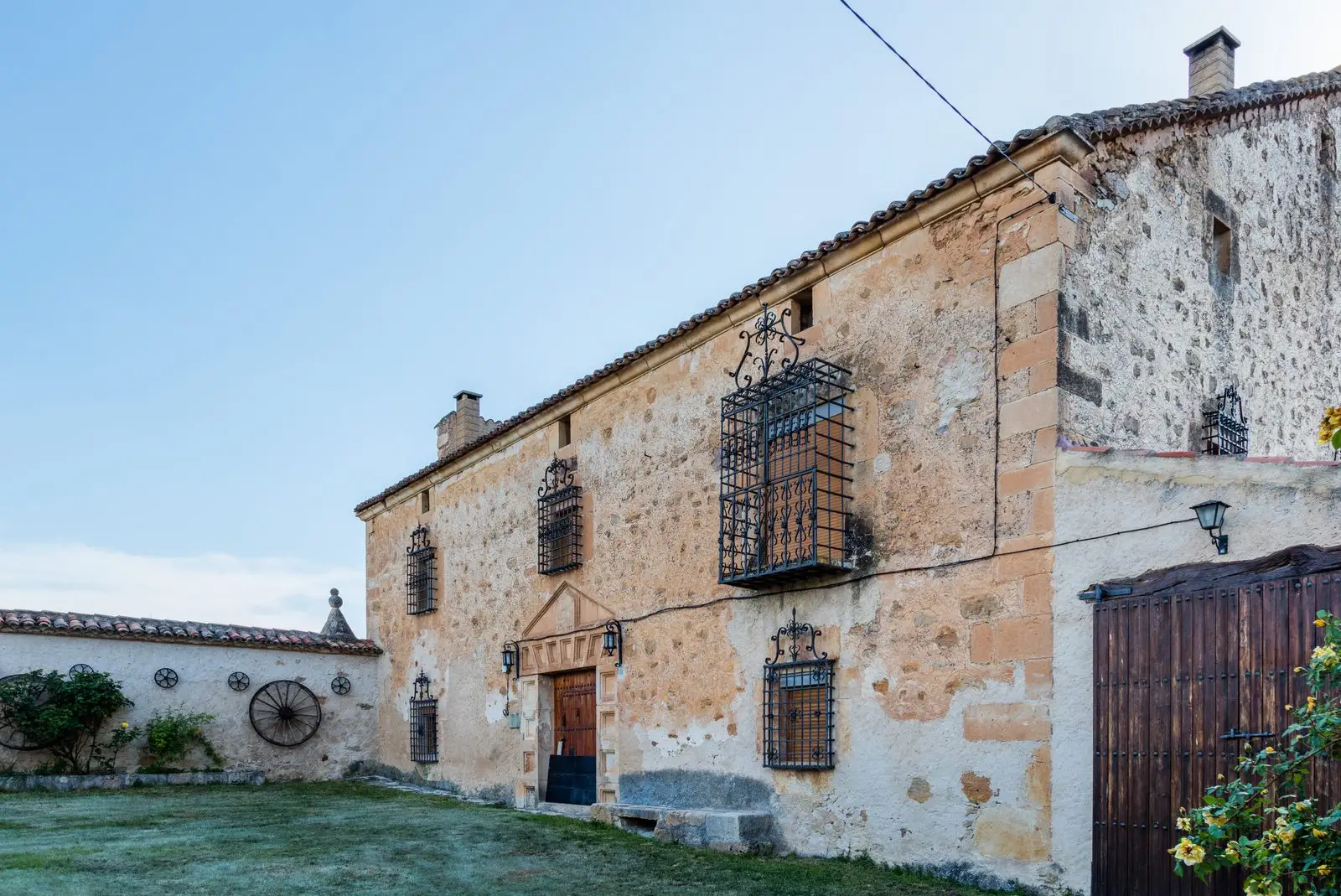
Casa Grande of Valhermoso: a 1786 molinesa manor house
Valhermoso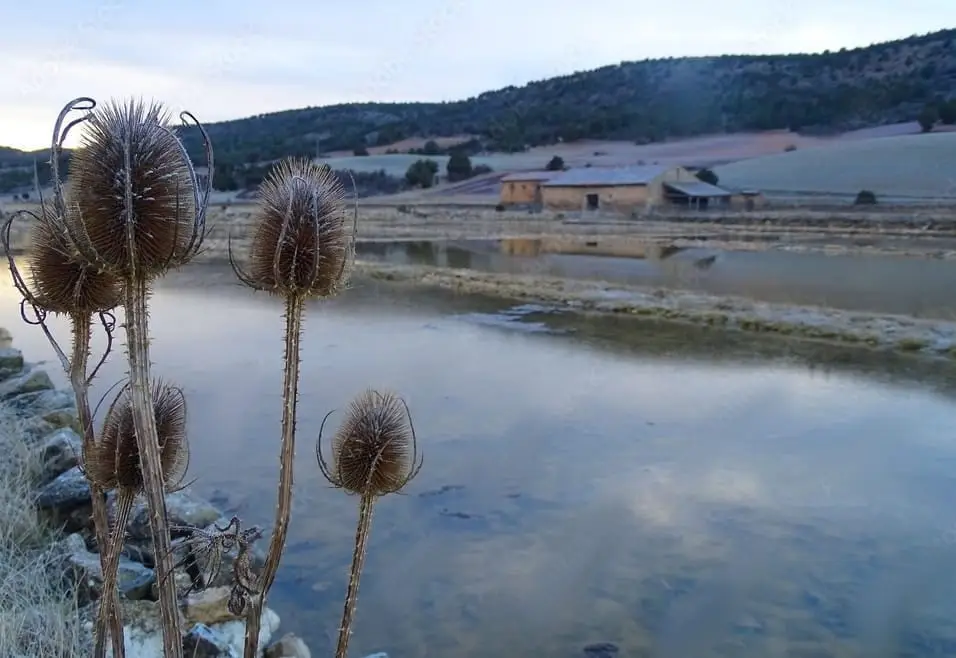
Armallá Salt Pans (Tierzo): Salt of the Señorío Since Roman Times
Tierzo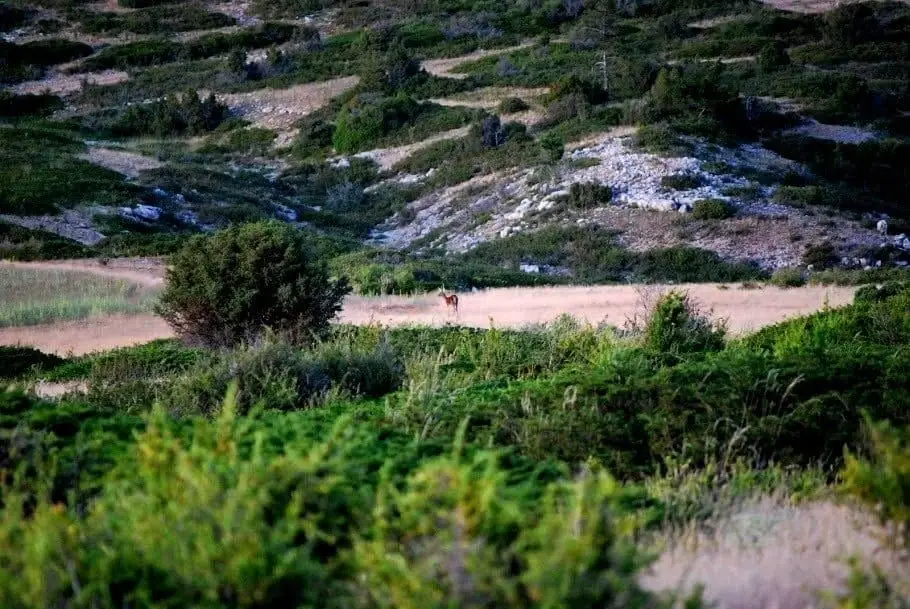
Sierra Molina: Ancient Dehesa of Transhumance
Checa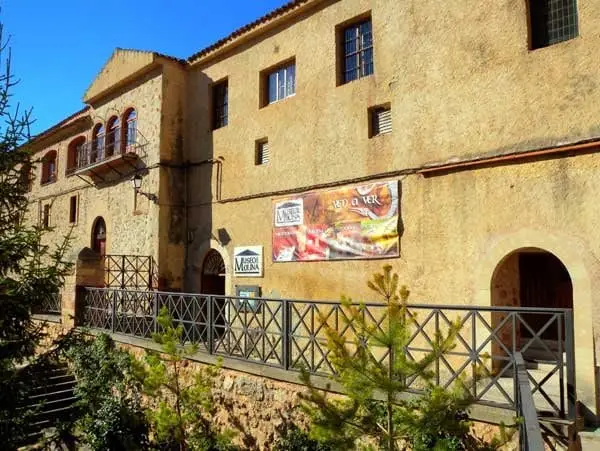
Regional Museum of Molina de Aragón (San Francisco Convent)
Molina de Aragón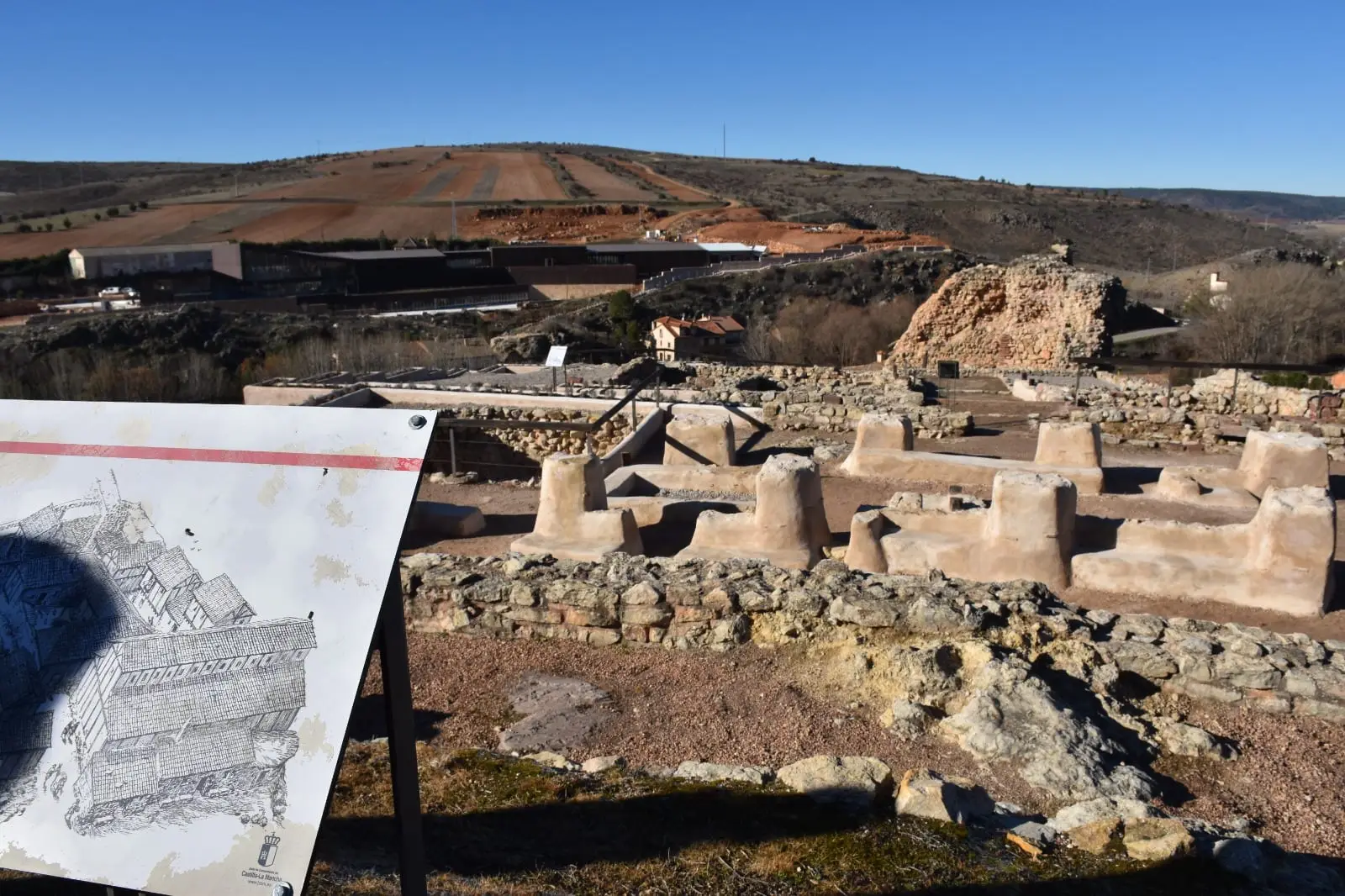
Prao de los Judíos (Molina de Aragón): the Jewish quarter beneath the castle
Molina de AragónFrequently asked questions
What was the Lordship of Molina?
A medieval lordship comprising Molina and its villages, independent of Castile and Aragón from 1138 to the late 13th century, with its own charter from 1154. From 1321 its lord was Castile’s king, later Spain’s, but its charter and institutions survived until 1813.
Why is it called Molina de Aragón?
In 1369 residents rejected Bertrand du Guesclin, granted the Lordship by Henry II, and submitted to Aragón’s king. In his honour they replaced “de los Caballeros” with “de Aragón” and named a fortress tower likewise. Molina returned to Castile in 1375 but kept the name.
What were Molina’s sexmas?
Its four districts: Campo in the north, Pedregal in the east, Sabinar in the west and Sierra in the south. Each grouped around twenty villages and had representatives before the Común.
Does the Lordship of Molina still exist?
The state dissolved in 1813, but the Community of the Royal Lordship of Molina and its Land still manages villages’ common assets, organised by sexmas. Castilla-La Mancha’s Statute of Autonomy names it as a historic territory.
Sources and readings
- Wikipedia: «Real Señorío de Molina», «Manrique Pérez de Lara», «Blanca Alfonso de Molina», «María de Molina» y «Castillo de Molina de Aragón».
- Carlos Estepa Díez, «Frontera, nobleza y señoríos en Castilla: el señorío de Molina (siglos XII-XIII)», Studia Historica. Historia Medieval, 24 (2006).
- Antonio Herrera Casado, «El Fuero de Molina» (1981) y «Las casas grandes molinesas» (2020), en herreracasado.com.
- Plácido Ballesteros San José y otros, Guía histórica de la Diputación Provincial de Guadalajara (1813-2001). Diputación de Guadalajara, 2001.
- Fuero de Molina y Historia de Molina de Aragón y de su Noble y Muy Leal Señorío, de Diego Sánchez Portocarrero, en Wikisource.
- Ayuntamiento de Alustante: El Señorío de Molina. Organización en sexmas y bienes comunes.
- Ranz Yubero y López de los Mozos, estudio de la mojonera de Sierra Molina. Rehalda 3 (2006), pp. 21 y siguientes.
Further reading on the history of this land. Full bibliography.
Next story: The river front: the Civil War in Alto Tajo