Trade · Middle Ages – 1960s · Resin, hooks and pastoral shelters
The woods that fed people: charcoal, firewood, pollards, commons and hives
In Alto Tajo, woodland was a larder, woodshed and storehouse. It supplied charcoal for ironworks, firewood allocated by lot, leafy fodder, honey and wax. Pollarded trees in common pastures, Sierra Molina’s charcoal clamps and communal woods the Lordship saved from land sales preserve that economy’s traces.
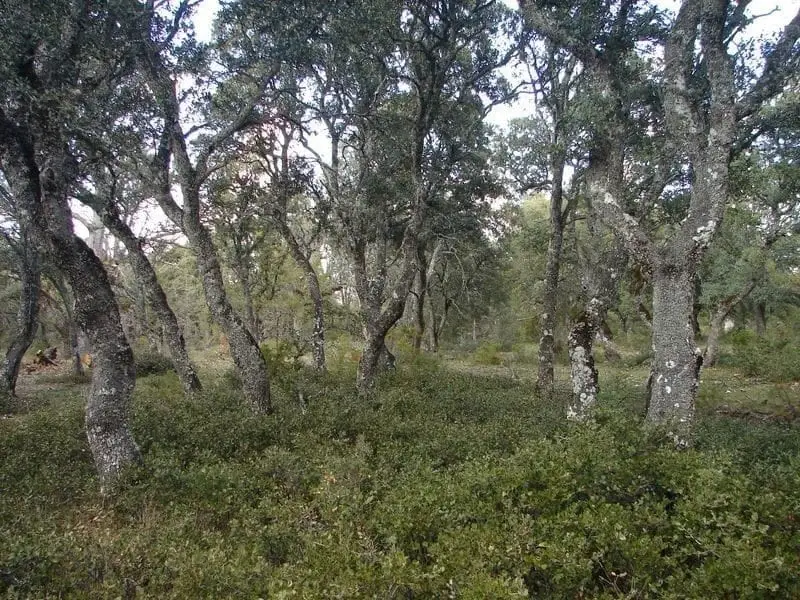
Photo: El Observario
The woods were home
In Alto Tajo’s villages, people spoke of woodland through what it supplied: winter firewood, forge charcoal, leafy branches for goats when grass was scarce, timber for beams, resin, mushrooms, honey and wax. Each had its season, rules and often an allocation by lot. Almost everything was common property, belonging to the village, the sexma or all Tierra de Molina.
Charcoal clamps: a slow fire
Charcoal powered older industry. Ironworks needed tonnes to reduce ore; homes used it in braziers and cookers. It was made in charcoal clamps: on a level clearing, wood was piled in a circle around a central opening, thickest pieces inside, then covered with branches and earth. Lit from above, it smouldered very slowly, almost without air, for days. The charcoal burner stayed close, day and night sealing with earth any hole showing flame. If the fire escaped control, weeks of work became ash.
In Sierra Molina, Checa’s great common pasture, grazing was free, but timber and charcoal paid a fee, split equally between Molina’s council and the Community of the Land. Nearby Arroyo de los Carboneros, followed by La Espineda’s Trail 16, preserves the trade’s name. Many charcoal burners were seasonal migrants, leaving for months to work other woods before returning, like shepherds and labourers, as told in the villages that emptied. Charcoal’s connection with iron appears in The trades of fire.
Firewood for everyone
Firewood belonged to all and needed fair distribution. Mountain villages pruned oaks communally, stacking wood in rimeros, numbered and allocated by lot among households. A very large oak might be shared by two, three or four residents. This is remembered in the neighbouring Serranía and told in a year in a mountain village. Nobody could take more than their share, and woodland was not stripped.
Pollarded trees
Some trees resemble sculptures: thick, short, twisted trunks crowned with branches all emerging together. They are pollards. For generations, every few years branches were cut at the height of a person standing on the tree: wood for fuel and tender branches, ramón, for livestock. Regrowth thickened the base, while repeated cuts created hollows now sheltering bats, owls, rare insects and fungi.
The finest place to see them is Olmeda de Cobeta’s common pasture, of medieval origin, with centuries-old pollarded Pyrenean oaks among sturdy holm and Portuguese oaks. Pollarding stopped decades ago, but their forms remain. Ethnographic Route 3 passes old holm oaks supplying shade and acorns to flocks, and a black pine with the cut where residents gathered communal resin to treat livestock wounds.
Common pastures and woodland
Each village had its dehesa, often a dehesa boyal: open woodland with grass beneath, reserved for the oxen and mules ploughing everyone’s land. Above village pastures were Tierra de Molina’s great communal woods, governed by the Común and its sexmas. At Roble de la Sexma, near Alcoroches, the Sexma de la Sierra elected representatives beneath a tree.
The 1855 Madoz land sales put much village property on the market. They affected the Común de la Tierra’s assets, including nine abandoned settlements, a mill and its headquarters, but some woods were exempted. In 1881 the institution resumed managing what survived: Sierra Molina’s common pasture, Común de Bétera, Común de Caldereros, Entredicho de Selas and Carrasca and Villacabras common land. Today the Community of the Royal Lordship of Molina and its Land manages that heritage, as described in the Lordship. Across the Tagus in Cuenca, Belvalle’s common pasture has been managed since 1952 by a joint authority of five villages for timber, grazing, truffles and hunting.
Hives on the plateau
The Señorío’s plateaux, full of thyme, lavender and gorse, are bee country. Alongside the Alcarria, it is among Guadalajara’s regions with the strongest beekeeping tradition. Older hives were fixed comb, hollow logs or baskets. Harvesting meant castrarlas, cutting out some comb. They yielded honey, sweetening cooking without sugar, and wax sold for candles. In Maranchón, before becoming famous for mules, residents traded wax from their hives, as told in fairs and dealers.
Beekeeping remains alive, though changed: some beekeepers move thousands of hives through the Señorío following flowering; others settle in small villages to make a living from it. The province has lost many hives in the last decade, but bees still pollinate the plateau.
What remains of useful woodland
With bottled gas, diesel and emigration in the 1950s and 1960s, woodland stopped being the villages’ larder. Charcoal clamps went out, firewood piles ceased to be allocated by lot and pollards grew unpruned. Woodland closed in: scrub advanced where open pasture had been, bringing fire risk. Today those practices are attracting renewed interest: grazing that clears vegetation, pruning keeping old trees alive, carefully gathered firewood. The woods that fed people were also cared-for woods.
Words of the trade
- Charcoal clamp
- A wood pile covered with branches and earth, slowly smouldering without flame for days until it becomes charcoal.
- Pollarding
- Cutting branches at a set height for firewood and leafy fodder, allowing regrowth. It creates thick, short trunks crowned with branches.
- Ramón
- Tender leafy branches cut for livestock when grazing was scarce.
- Dehesa boyal
- Common pasture reserved for the village’s working oxen and mules.
- Entredicho
- Land whose use was restricted or regulated. The name survives at Entredicho de Selas, one of Tierra de Molina’s commons.
- Rimero
- A firewood pile. In mountain villages these were numbered and allocated to residents by lot.
- Castrar
- Removing combs from a hive to harvest honey and wax.
- Colmenar
- An apiary, often enclosed and facing the sun.
Where to see it today
Dehesa of Olmeda de Cobeta: ancient pollarded Pyrenean oaks
Olmeda de Cobeta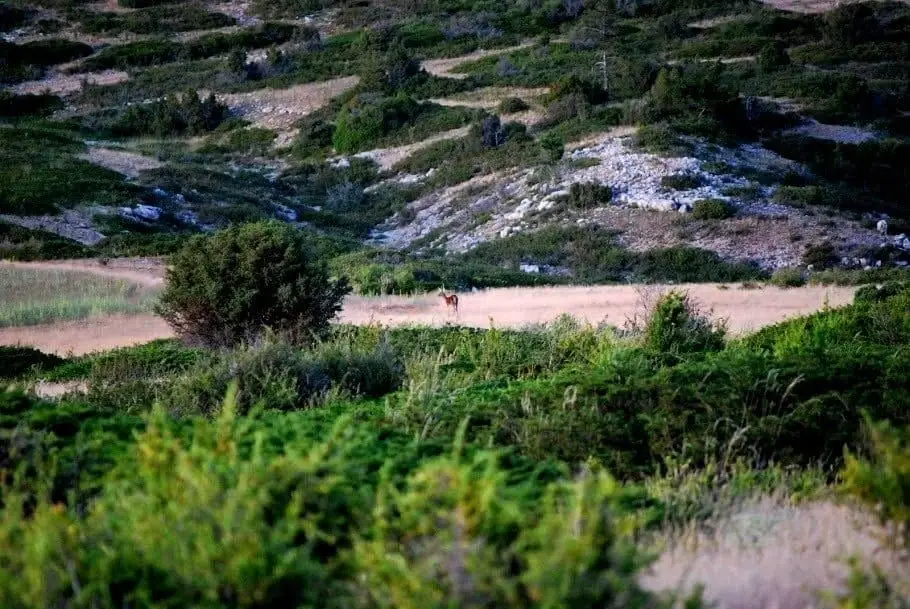
Sierra Molina: Ancient Dehesa of Transhumance
Checa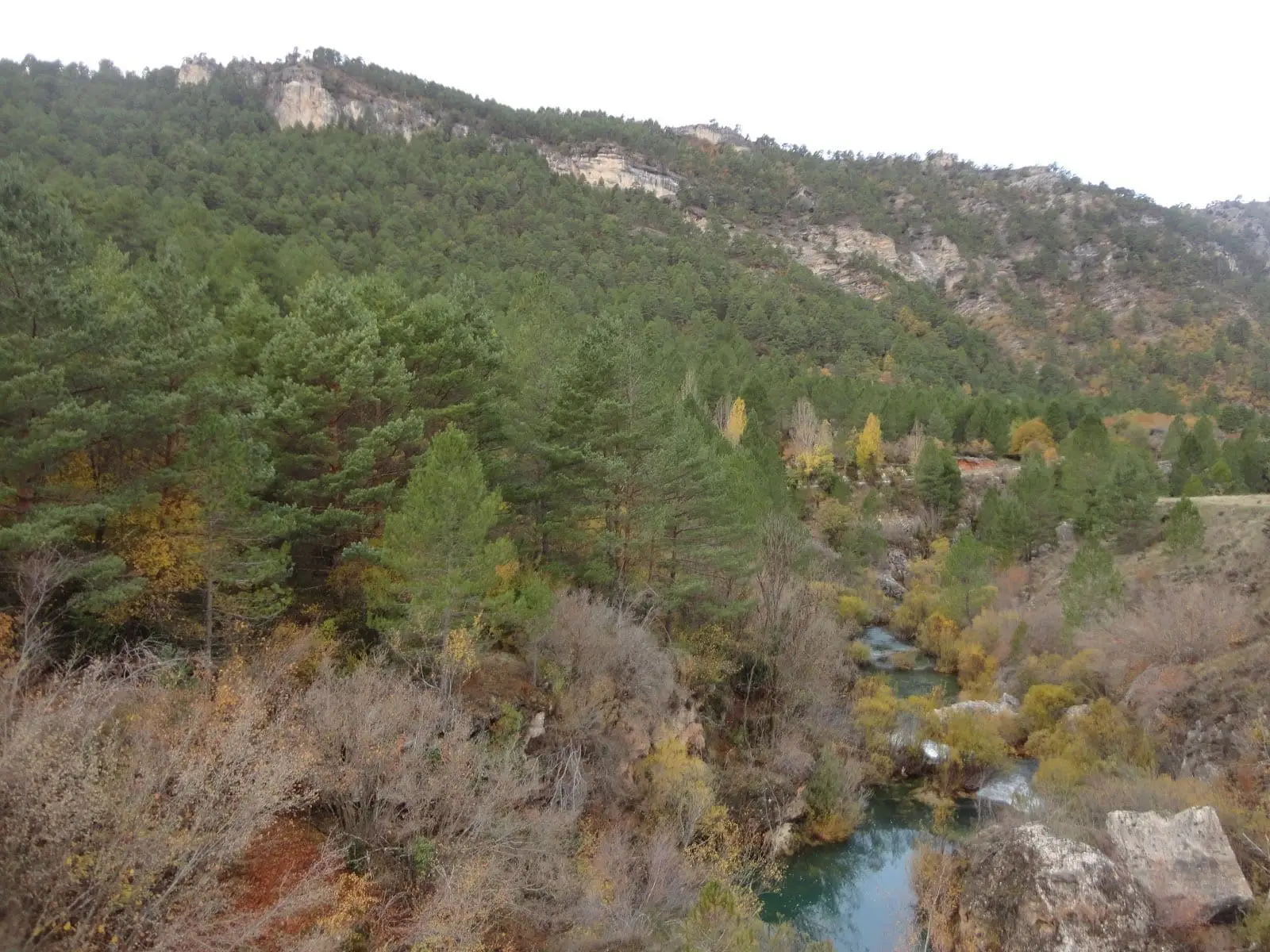
Dehesa de Belvalle (Beteta)
BetetaRoble de la Sexma: where the Sierra representatives were elected
AlcorochesMaranchón Juniper Forest: the largest Spanish juniper woodland in Europe
Maranchón
Montes de Picaza: 15,000 hectares of protected forest
TraídTrail 16 (PR-GU 22): La Espineda and Peña Alta (Checa)
5.7 km · 2.9 h · CircularEthnographic route 3: the chozones of Olmeda de Cobeta
4.75 km · 1.5 h · Circular
Dehesa de Corduente Visitor Centre
CorduenteFrequently asked questions
What is a pollarded tree?
A tree whose branches were cut at a set height over generations to provide firewood and livestock fodder, allowing regrowth. It has a thick, short trunk crowned by many branches. Olmeda de Cobeta’s common pasture has centuries-old pollarded Pyrenean oaks.
How was charcoal made?
Wood was piled around a central opening, covered with branches and earth, then lit to smoulder very slowly with little air for days. The charcoal burner watched day and night, sealing holes where flames escaped. Finally the pile was uncovered and charcoal removed.
Which communal woods belong to the Lordship of Molina?
After the land sales, the Común de la Tierra de Molina retained Sierra Molina’s common pasture, the commons of Bétera and Caldereros, Entredicho de Selas and the common land of Carrasca and Villacabras. Today the Community of the Royal Lordship of Molina and its Land manages them.
Sources and readings
- Fichas del atlas: Sierra Molina, dehesa de Olmeda de Cobeta, dehesa de Belvalle, Roble de la Sexma y Montes de Picaza.
- Parque Natural del Alto Tajo: fichas oficiales del Sendero 16 (La Espineda) y de la Ruta Etnográfica 3 (chozones de Olmeda de Cobeta).
- Alustante y Motos (alustante.com): «El Señorío de Molina», sobre el Común de la Tierra y la desamortización.
- Henares al Día: «Apicultura en Guadalajara: la asignatura pendiente de la profesionalización».
- Testimonios de vecinos de Valsalobre grabados por Vestal Etnografía, para el reparto de la leña y la poda de los robles.
Further reading on the history of this land. Full bibliography.
Next story: Everyday plants: what the countryside gave and people knew how to use