Trade · 12th century – 1960 · Salt, iron and timber
Fairs, dealers and muleteers: a land that lived on the road
The Lordship of Molina always lived on the road: wool, salt and the Royal Road from Madrid to Zaragoza crossed its land. Molina held livestock fairs from the Middle Ages; Maranchón’s dealers sold mules throughout Spain from the mid-19th century to the 1950s. Dealers, shearers and muleteers spoke migaña, their own jargon to keep others from understanding.
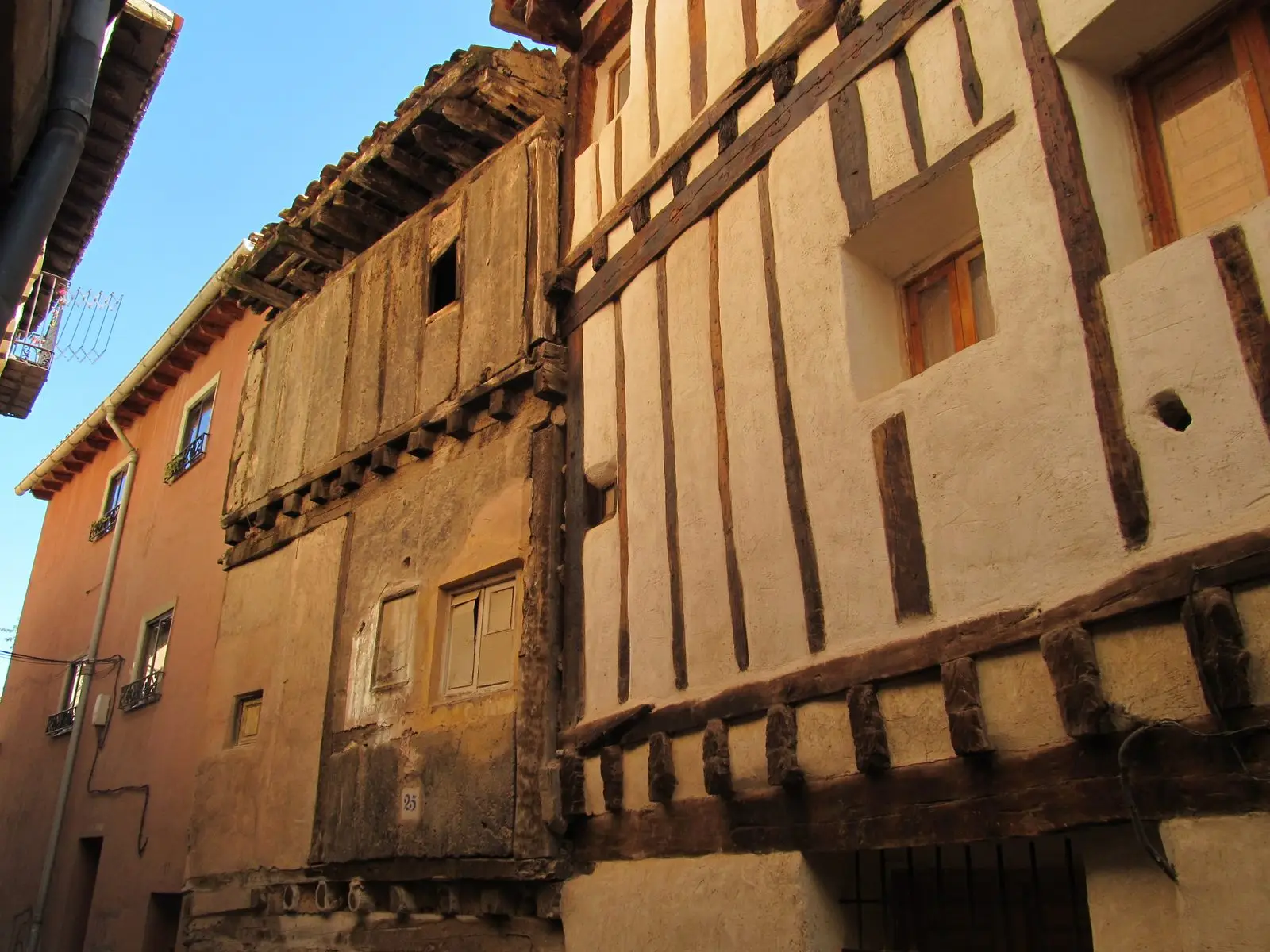
Photo: «MolinaAragón-Barrio de la Judería 03», Oilisab (2016) · CC BY-SA 4.0

A land of passage
The Lordship of Molina stood between everything. Routes connected Castile and Aragón, Madrid and Zaragoza via Daroca, and Molina with Albarracín and Teruel. Where harvests were poor, the road was another resource: wool, salt from Armallá and Saelices, timber and animals travelled out; money and news returned. After Castile and Aragón united, the frontier became business, and Molina had a customs house between the kingdoms, as told in the Lordship.
Those earning a living on the road had many names: arriero, carrying goods in mule trains; tratante, buying and selling livestock; carrier, pedlar, shearer. Almost all spent months away, moving from fair to fair.
Molina’s fair
Molina’s fair was ancient; Antonio Herrera Casado traces it to the Lordship’s beginnings. In 1628, Philip IV confirmed a fair lasting one week from 1 September. It was a feria franca: visiting merchants paid no taxes or tolls at bridges, gates or roads, drawing people from across the district and beyond.
Over time Saint Michael’s became the livestock year’s key gathering. On the first Saturday after 29 September, villages brought their best animals for display, sale and bargaining. The fair was famous for the livestock’s quantity and quality. Lost as villages emptied, it was revived in 2023 by Molina’s council, Anida coworking space and Global Nature Foundation. Today it champions local breeds, lamb and kid meat, and grazing’s role in the landscape.
Maranchón, the village of mules
In the region’s north, outside the four sexmas, Maranchón made dealing its livelihood. In the 18th century residents traded beeswax; gradually they saw opportunity in livestock, especially mules. A royal decree separated them from the neighbouring jurisdiction in 1769, and the village grew.
By the mid-19th century, with over a thousand residents, Maranchón was one of Spain’s great mule-dealing villages. Fifteen to twenty leading families each had helpers and servants, and almost everyone worked for the trade. They bought mules in the Pyrenees and sold them at fairs throughout Spain, dividing territories to avoid competing. Benigno Bueno sold working animals to Madrid’s council and the Royal Household, and exported many mules to France during the First World War. Galdós and Baroja mention the dealers in their books.
By the early 19th century Maranchón’s September fair was already among Spain’s most important for working animals. Trading wealth remains visible in stone mansions, the bullring and tree-lined promenade. In 1910 it had around 3,000 inhabitants. Then came tractors: from the 1950s, mules left farming and the trade vanished. Today fewer than two hundred residents remain, and each summer the Feria del Tratante recalls that time.
Milmarcos’s shearers
In Milmarcos and Fuentelsaz, the travelling trade was shearing. Each year teams of around twenty set out with shears through Castile and Aragón for two or three months, flock by flock. They returned with seasonal earnings and words learned on both sides of the border. The mansions of Milmarcos, like those of Tortuera and Tartanedo, speak of a land where livestock made a few rich and employed many.
Migaña: speaking without being understood
Dealers, shearers, muleteers, pedlars, pannier sellers and pine-felling crews shared a problem: discussing prices before customers or employers without being understood. They used migaña, or mingaña, a jargon locals say means “me engaña”, “he deceives me”.
It was spoken in Maranchón, Luzón, Algar de Mesa, Villel de Mesa, Milmarcos, La Yunta, Cillas, Mochales, Embid, Fuentelsaz, Alustante, Traíd, Alcoroches and Tartanedo. Spoken quickly, it reversed syllables, added or removed sounds, and mixed invented words with borrowings from Caló, other trade jargons, French and Basque. Some objects took a person’s or village’s name: a knife grinder was Evaristo, salt Tierzo, after the village beside Armallá’s saltworks. Numbers had their own system: fajo was two, trinidad three, tarín five; seven was “tarín y fajo”. A tavern was bayuca, fingers dátiles.
Migaña survived well into the 20th century. Today only a few older people remember it; researchers such as José Sanz y Díaz and Tomás Gismera Velasco have recorded it.
Roads to the fairs
Two official atlas routes follow those roads. Camino de los Tratantes runs from Molina de Aragón to Motos through Otilla, Piqueras and Alustante, the old road towards Albarracín and Teruel. GR-168, Camino Real de Aragón restores the wheeled road that was the main Madrid–Zaragoza route between the 16th and 18th centuries, with inns and posting houses through the Sexma del Campo, from Maranchón to Embid. Walking them means placing your feet where the mule trains passed.
Words of the trade
- Tratante
- A livestock dealer, especially in working animals, taking them from fair to fair.
- Trato
- A sale agreement, extensively negotiated and sealed by word of mouth.
- Arriero
- A muleteer carrying goods with mule trains: salt, wool, grain or wine.
- Feria franca
- A fair with royal privilege: merchants paid no taxes or tolls at bridges and gates during those days.
- Migaña or mingaña
- The jargon of dealers, shearers, muleteers and pedlars in and around the Señorío. Its name is said to come from me engaña, “he deceives me”.
- Fajo, trinidad, tarín
- Two, three and five in migaña. Seven was tarín y fajo.
- Bayuca
- A tavern, in migaña.
- Dátiles
- Fingers, in migaña.
- Cuadrilla
- A team of around twenty shearers travelling annually through Castile and Aragón.
Where to see it today
Historic quarter of Molina de Aragón: palaces, Jewish quarter, and Moorish quarter
Molina de Aragón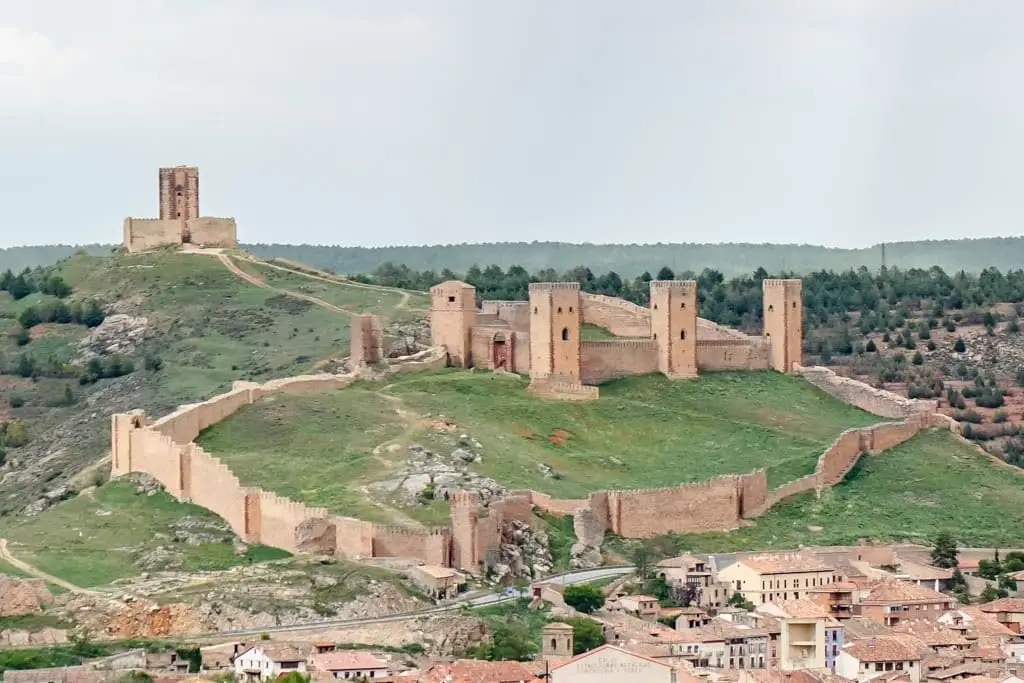
Castle of Molina de Aragón: 12th-century fortress and Torre de Aragón
Molina de Aragón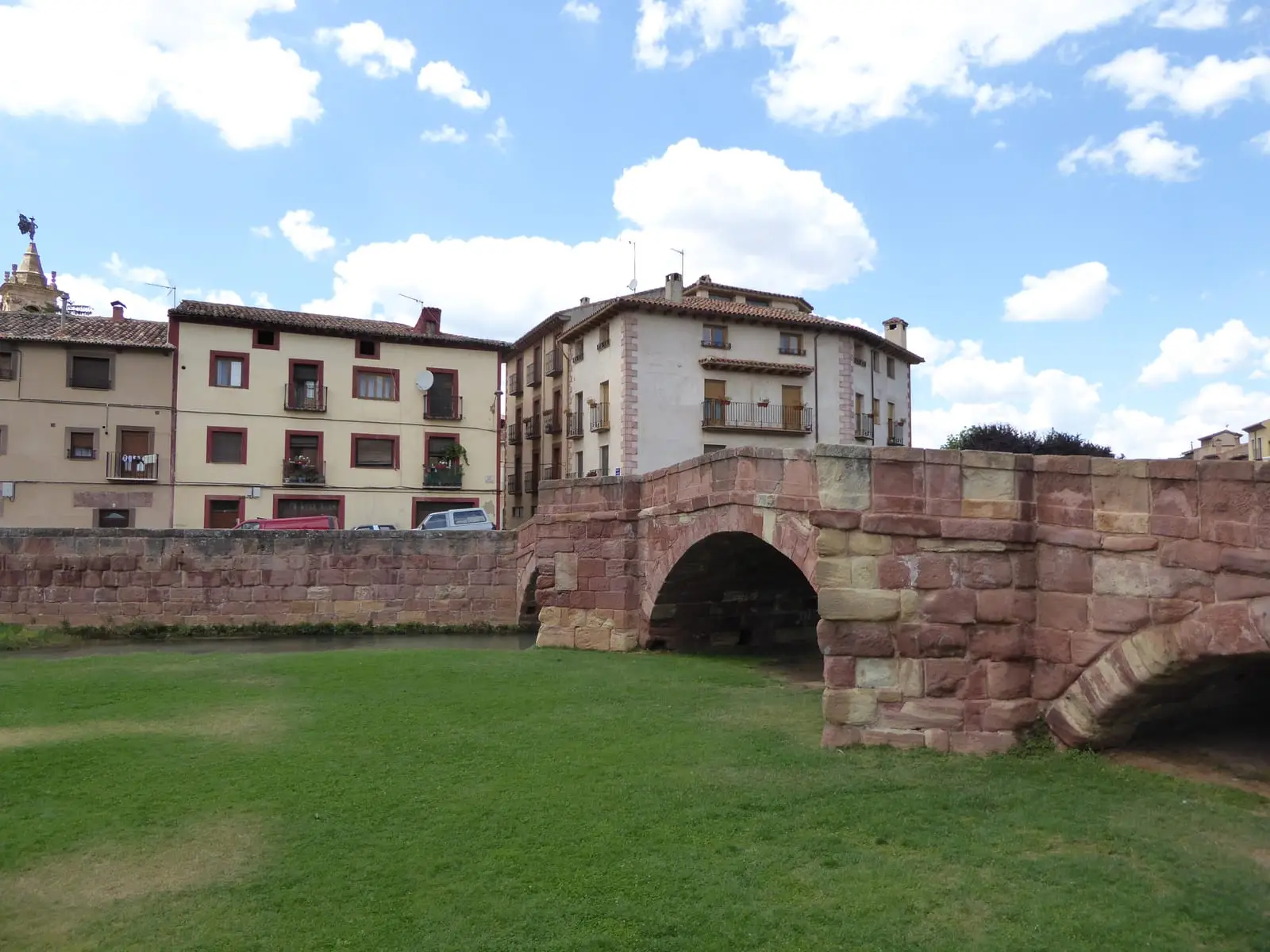
Puente Viejo of Molina de Aragón: the red stone Romanesque bridge
Molina de AragónMilmarcos: manor houses, Mannerist altarpiece, and a theatre of a prosperous town
Milmarcos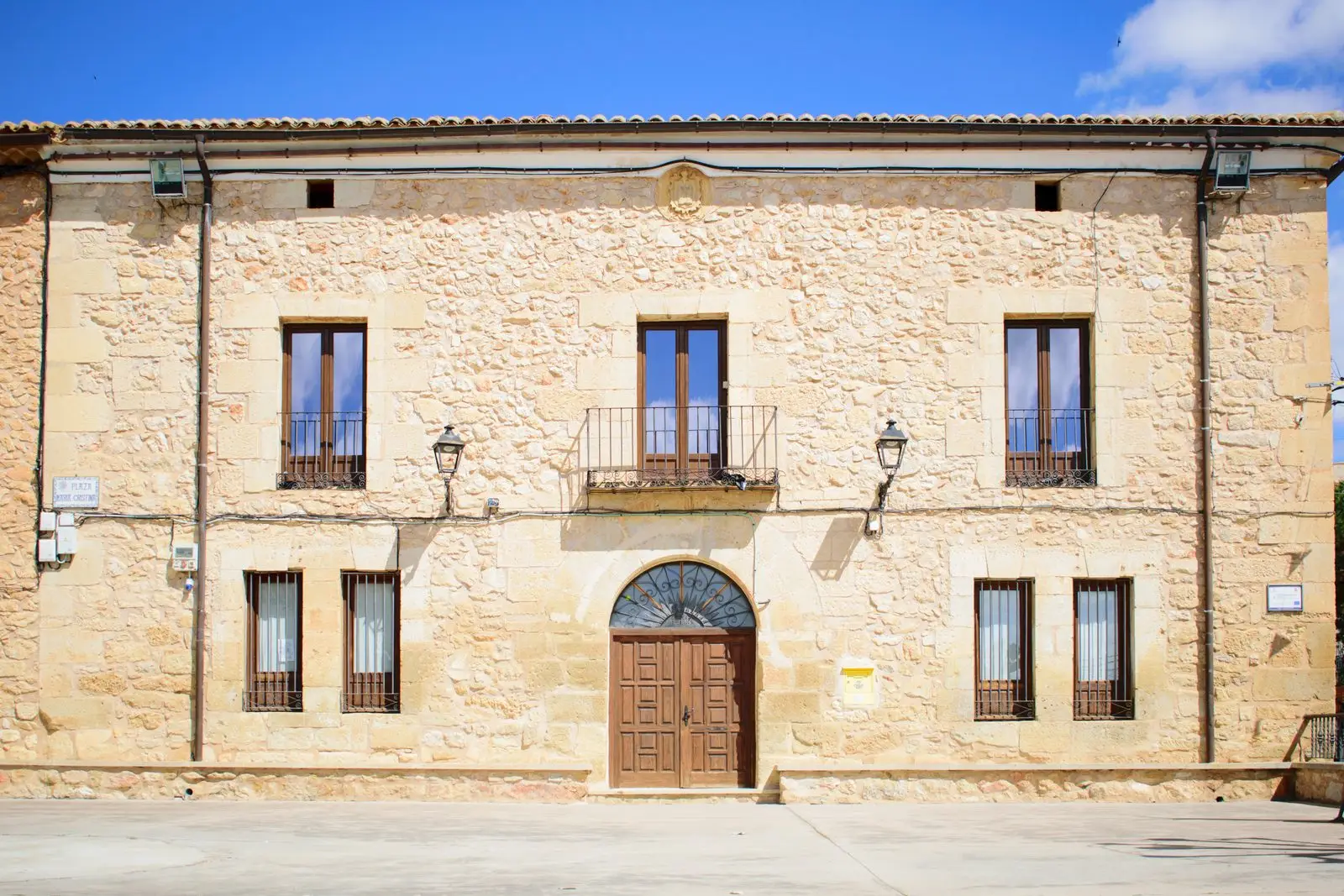
Molina-style manor houses of Tortuera
TortueraCasa de los Utrera: the Baroque palace of Tartanedo
TartanedoParameras de Maranchón, Hoz del Mesa, and Aragoncillo: land of Dupont's lark
MaranchónEl Mirón Paleontological Museum (Maranchón)
Maranchón
Armallá Salt Pans (Tierzo): Salt of the Señorío Since Roman Times
TierzoFrequently asked questions
Who were Maranchón’s mule dealers?
Residents who, from the mid-19th century, bought and sold mules at fairs throughout Spain. There were fifteen to twenty leading dealer families with helpers. Farming mechanisation ended the trade from the 1950s.
What is migaña?
A jargon used by dealers, shearers, muleteers and pedlars in and around the Lordship of Molina to discuss business without others understanding. It mixed invented words, rearranged syllables and borrowings from Caló, Basque and French. Almost nobody speaks it today.
When is Molina de Aragón’s livestock fair?
Traditionally it was held on the first Saturday after Saint Michael’s Day, 29 September. Revived in 2023, it takes place around those dates.
Sources and readings
- Antonio Herrera Casado, «Ferias y mercados de Guadalajara» (2018) y «Por la senda de la migaña» (2016), en herreracasado.com.
- Tomás Gismera Velasco, La Migaña o Mingaña.
- José Sanz y Díaz, artículos sobre la migaña en la Revista de Folklore (Fundación Joaquín Díaz).
- elDiario.es Castilla-La Mancha: «La localidad de Maranchón rememora su pujanza en el trato de mulas» y «Un pueblo en el corazón de la España Vaciada rememora un pasado de esplendor con la Feria del Tratante» (2022).
- El Decano de Guadalajara: «Molina de Aragón recupera su Feria de Ganado de San Miguel» (2023).
- Federación de Deportes de Montaña de Castilla-La Mancha: descripción del GR-168 Camino Real de Aragón.
Further reading on the history of this land. Full bibliography.
Next story: Chozones sabineros: a home for shepherd and flock