Layer of time · 16th – 19th centuries
Salt, iron and timber
The Crown took control of the salt pans, ironworks drove tilt hammers with river water, and every winter thousands of logs floated down the Tagus toward Aranjuez guided by timbermen.
A selection of traces related to this era. Dates correspond to the historical layer; a location may have other origins, transformations, and subsequent uses. Contested attributions are noted in their guides.
Stories of this layer
- Roads of wool, salt and timber
Mesta livestock trails, transhumance to Sierra Morena, dealers’ roads and salt paths: Alto Tajo’s network, now followed by long-distance trails.
- The water that drove the wheels: mills, fulling mills, trip hammers and the first electric light
Flour paid for in grain, wool beaten in fulling mills, ironwork trip hammers and mills powering the first light bulbs. Dams now returning to river.
- The village that made glass
El Recuenco’s glass furnaces, from the 16th to the 19th century: five hundred alembics for El Escorial, royal glassware and basket-laden carriers.
- Fairs, dealers and muleteers: a land that lived on the road
Molina’s Saint Michael livestock fair, Maranchón’s mule dealers, Milmarcos’s shearers and migaña, the jargon for negotiating unheard.
- Festivals and rites: soldiers, devils, brotherhoods and pilgrimages
Luzón’s Devils, Hinojosa’s mock battle, Molina’s military Carmen brotherhood and the Virgen de la Hoz Loa: the Señorío’s festive calendar.
- Fire and earth: ironworks, lime kilns, tileworks and ochre mines
Iron from Cueva del Hierro and Peralejos, lime from Villanueva de Alcorón, ochre from Peñalén: trades that drew wealth from rock with fire and water.
- Gancheros: shepherds of the floating forest
How the gancheros of the Alto Tajo worked, how a timber drive was organized, why the trade disappeared, and where it is remembered today.
Where its trace endures
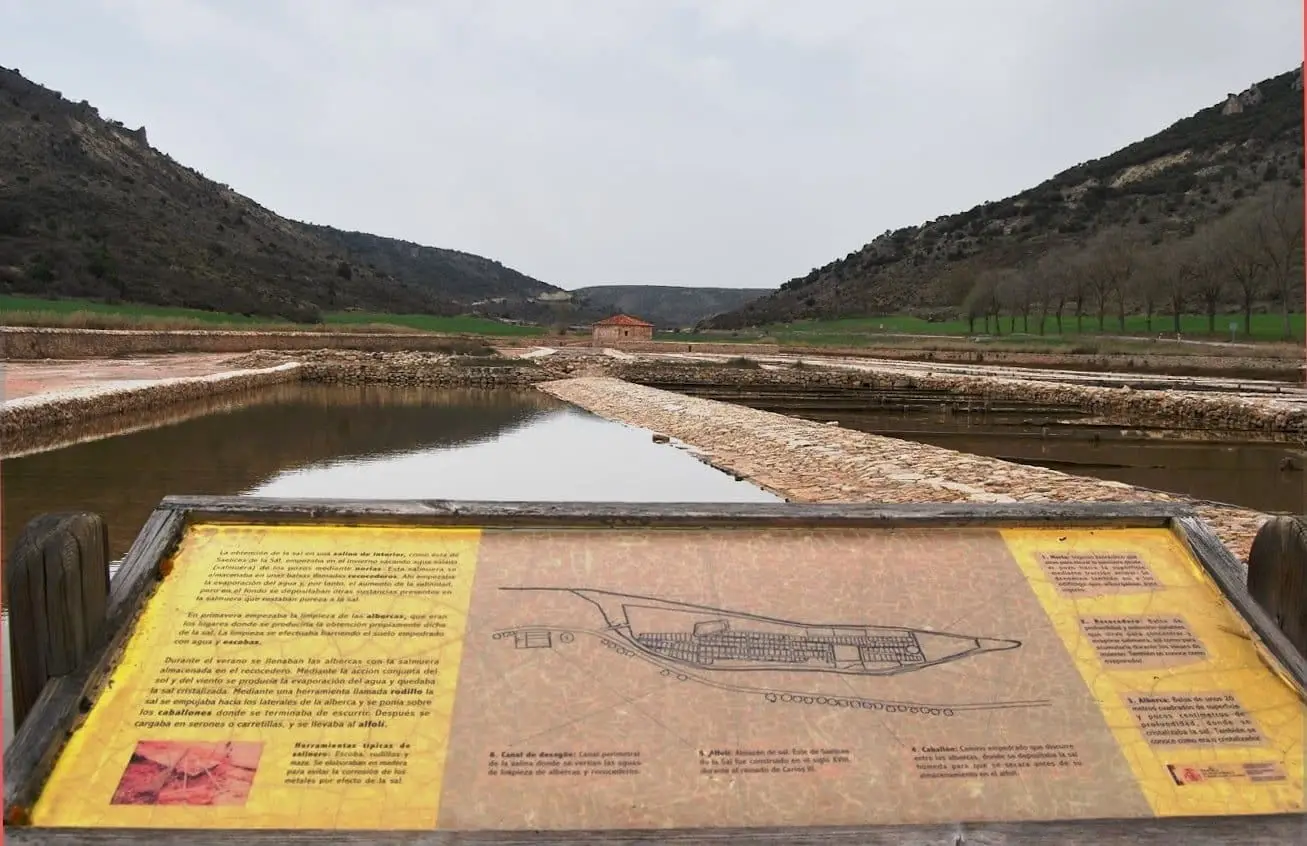
Guided visit to Saelices de la Sal saltworks
Saelices de la Sal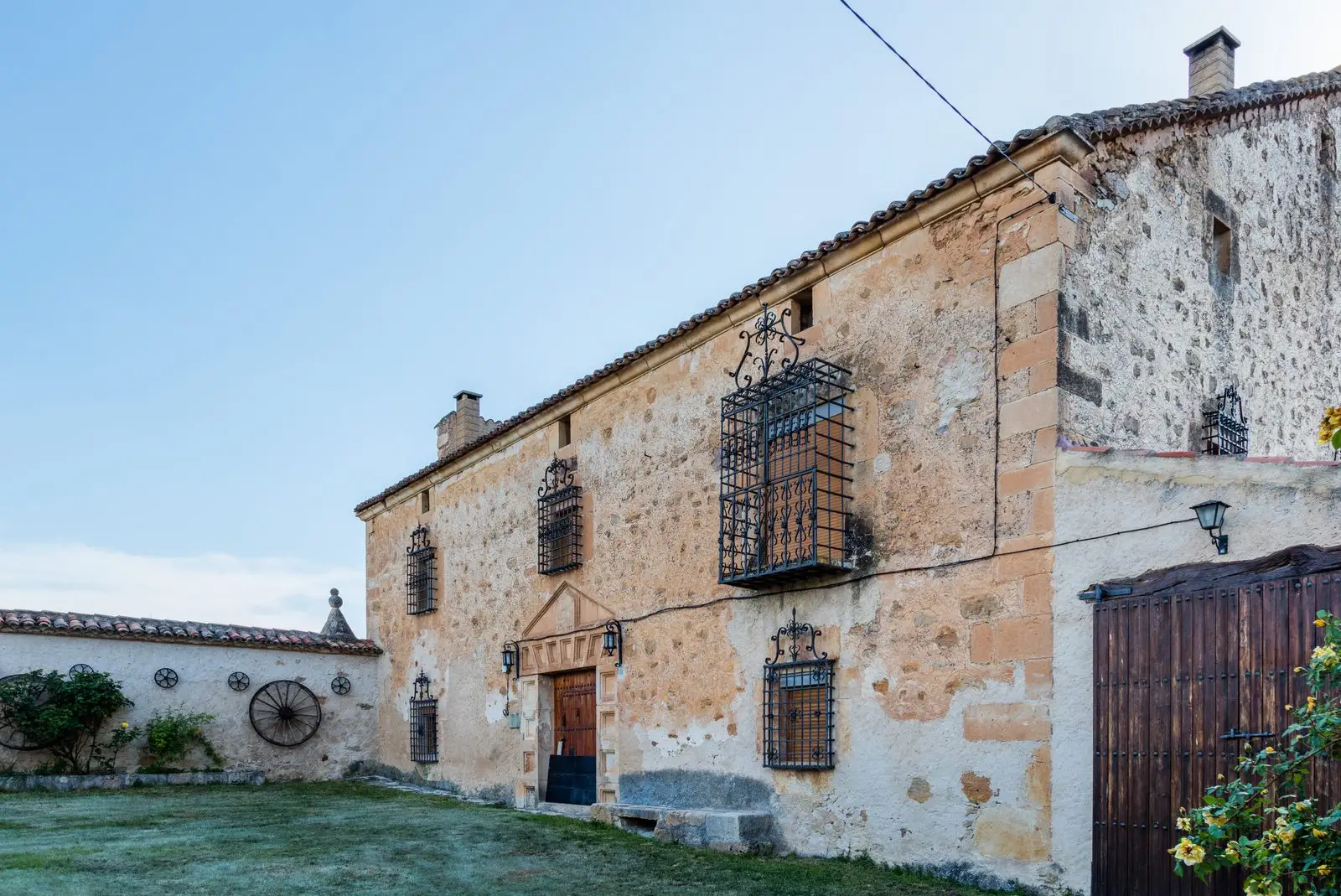
Casa Grande of Valhermoso: a 1786 molinesa manor house
Valhermoso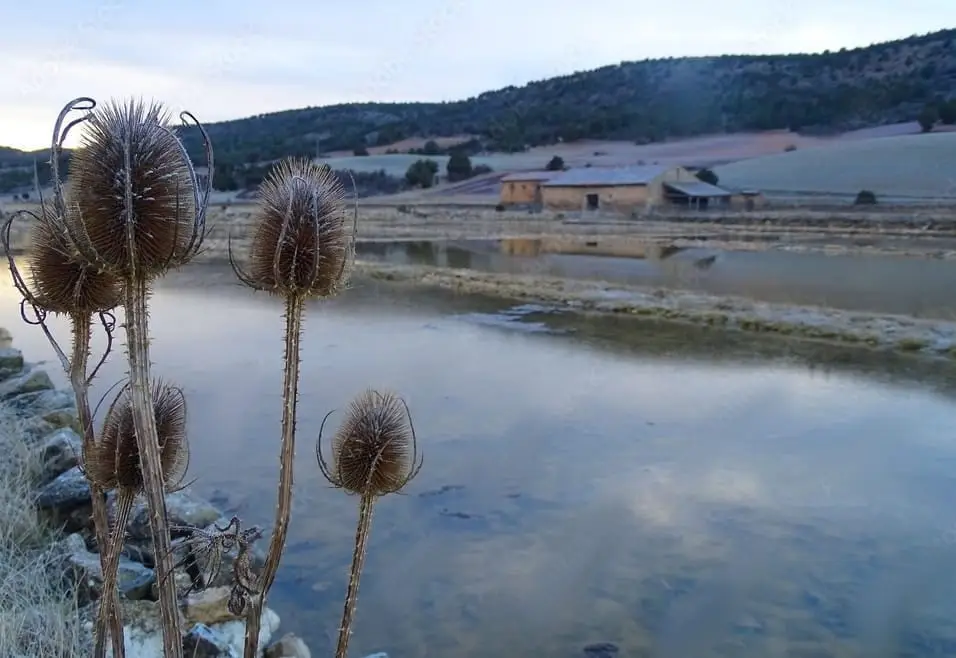
Armallá Salt Pans (Tierzo): Salt of the Señorío Since Roman Times
Tierzo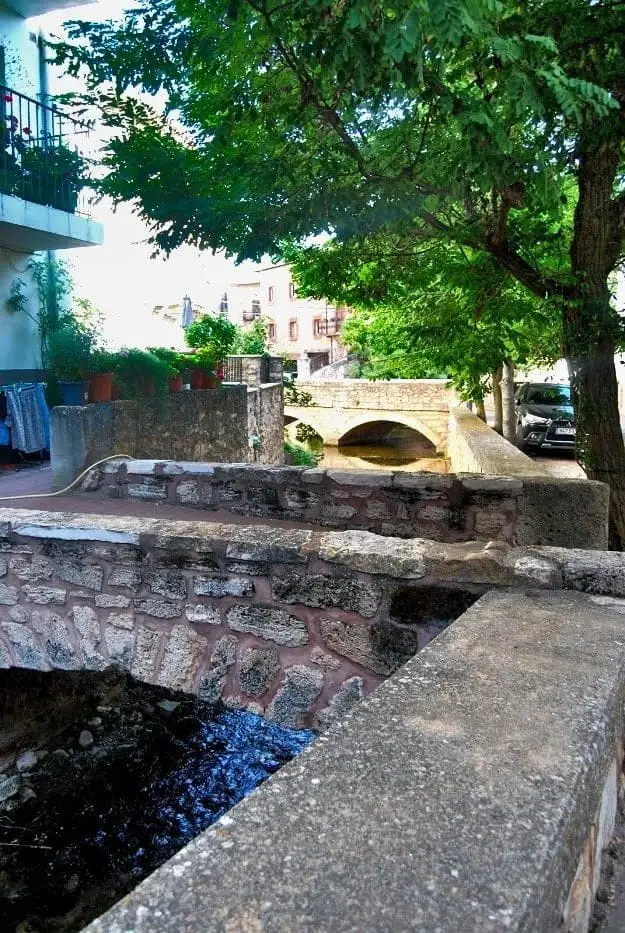
Urban ensemble of Checa: white houses, bridges, and the Genitoris River
Checa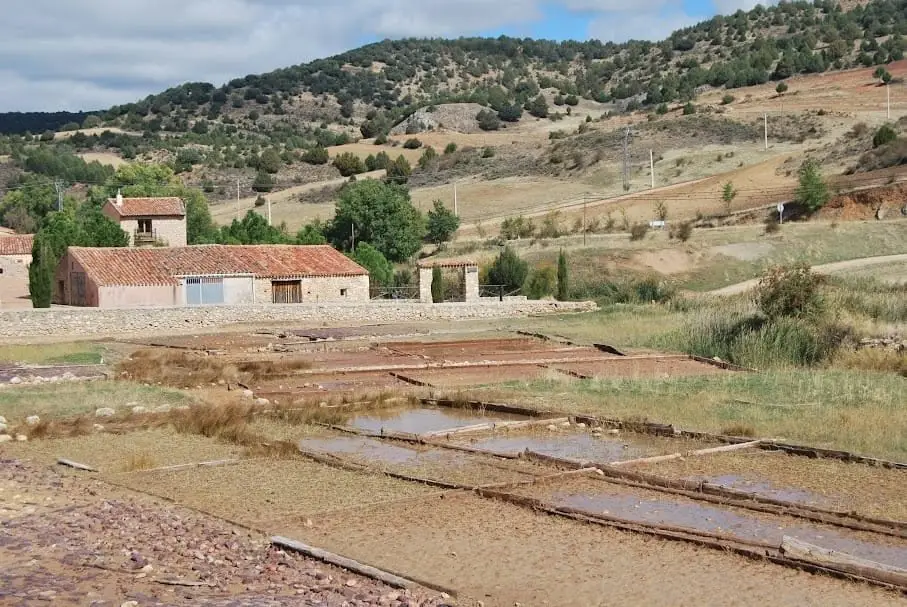
Terzaga Salt Pans: Medieval Salt on the Bullones River
Terzaga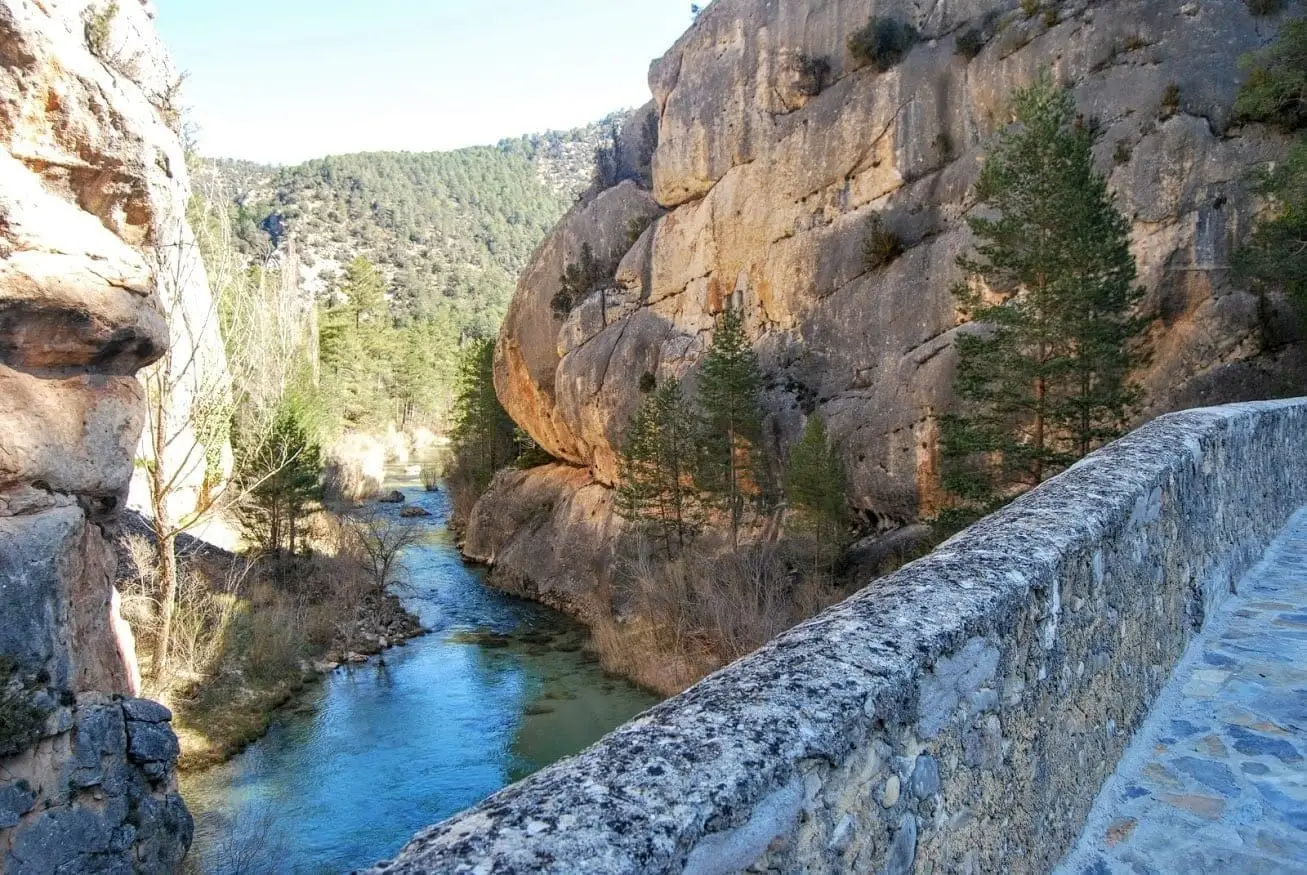
Peñalén Bridge or Puente del Tío Lucas: a 1943 crossing between rock fins
Peñalen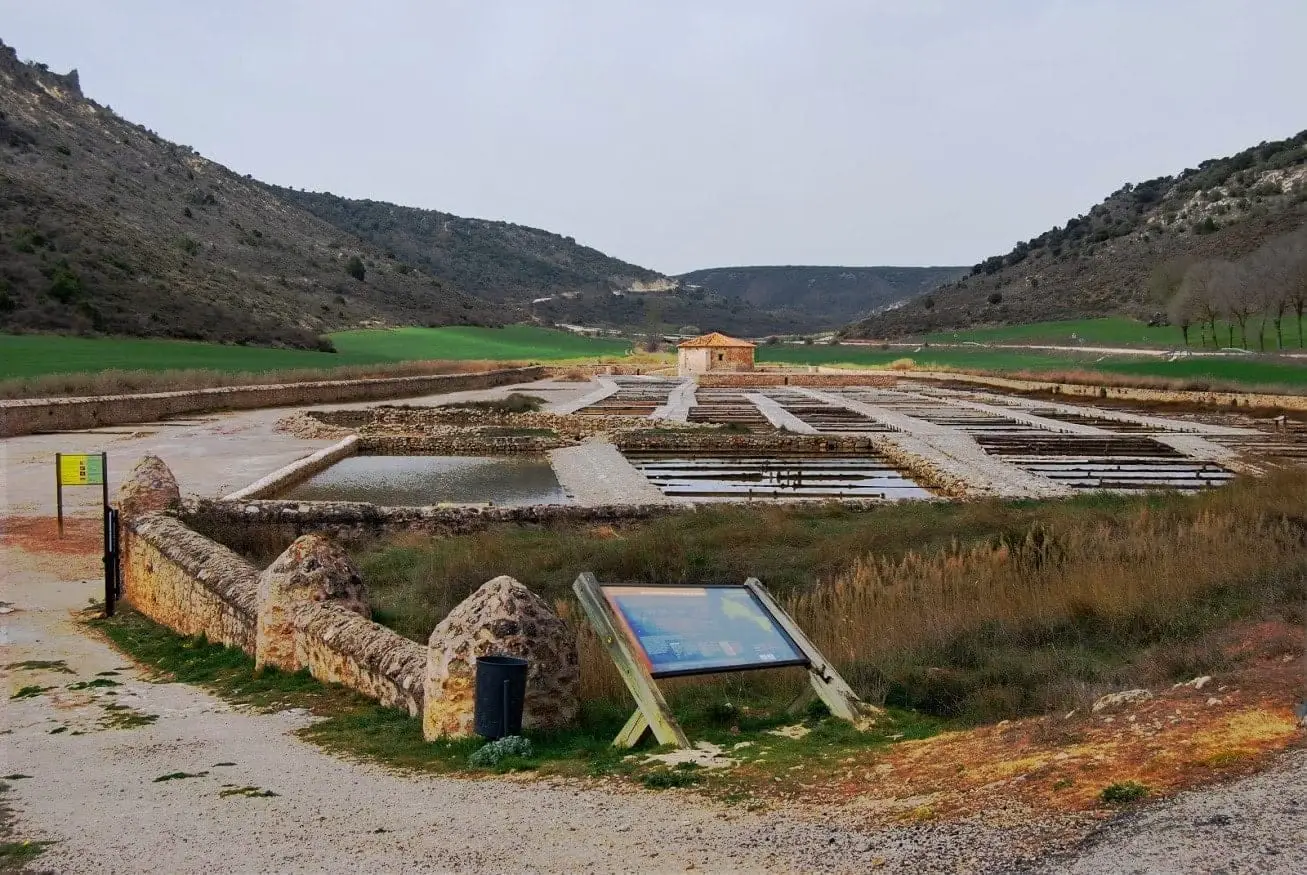
San Juan Salt Pans (Saelices de la Sal)
Saelices de la Sal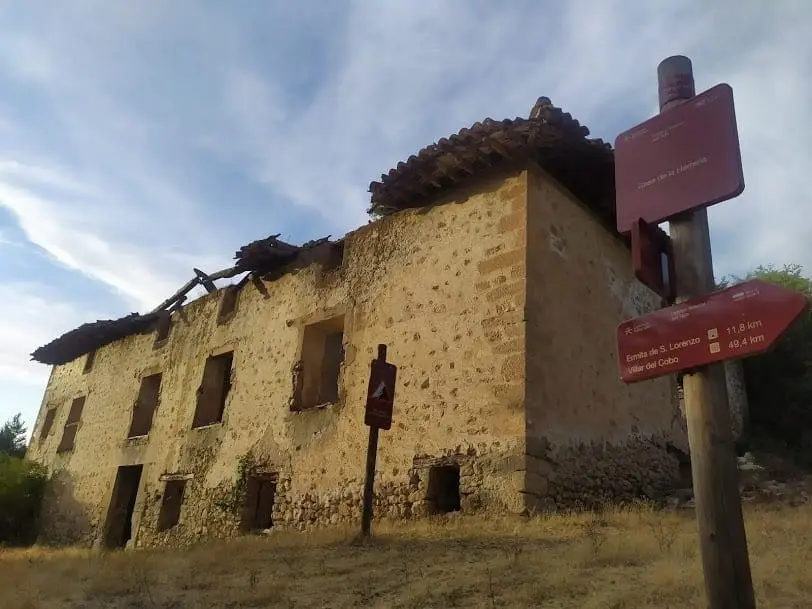
Morencos Ironworks (Peralejos): iron forging on the Hoz Seca
Peralejos de las Truchas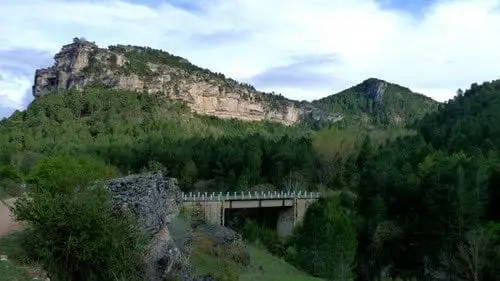
Puente del Martinete: the first major bridge over the Tagus
Peralejos de las Truchas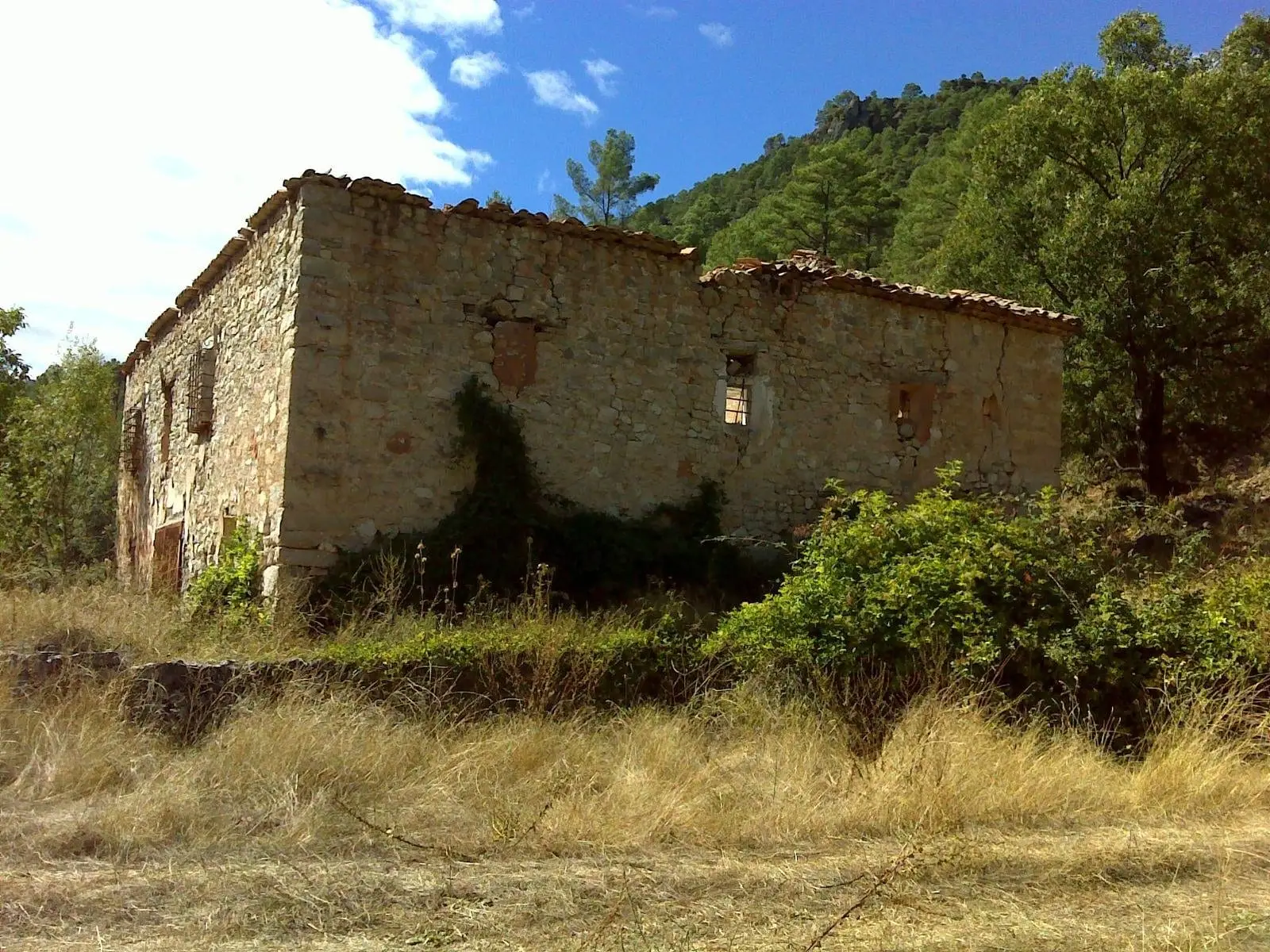
La Inesperada saltworks (Ocentejo)
Ocentejo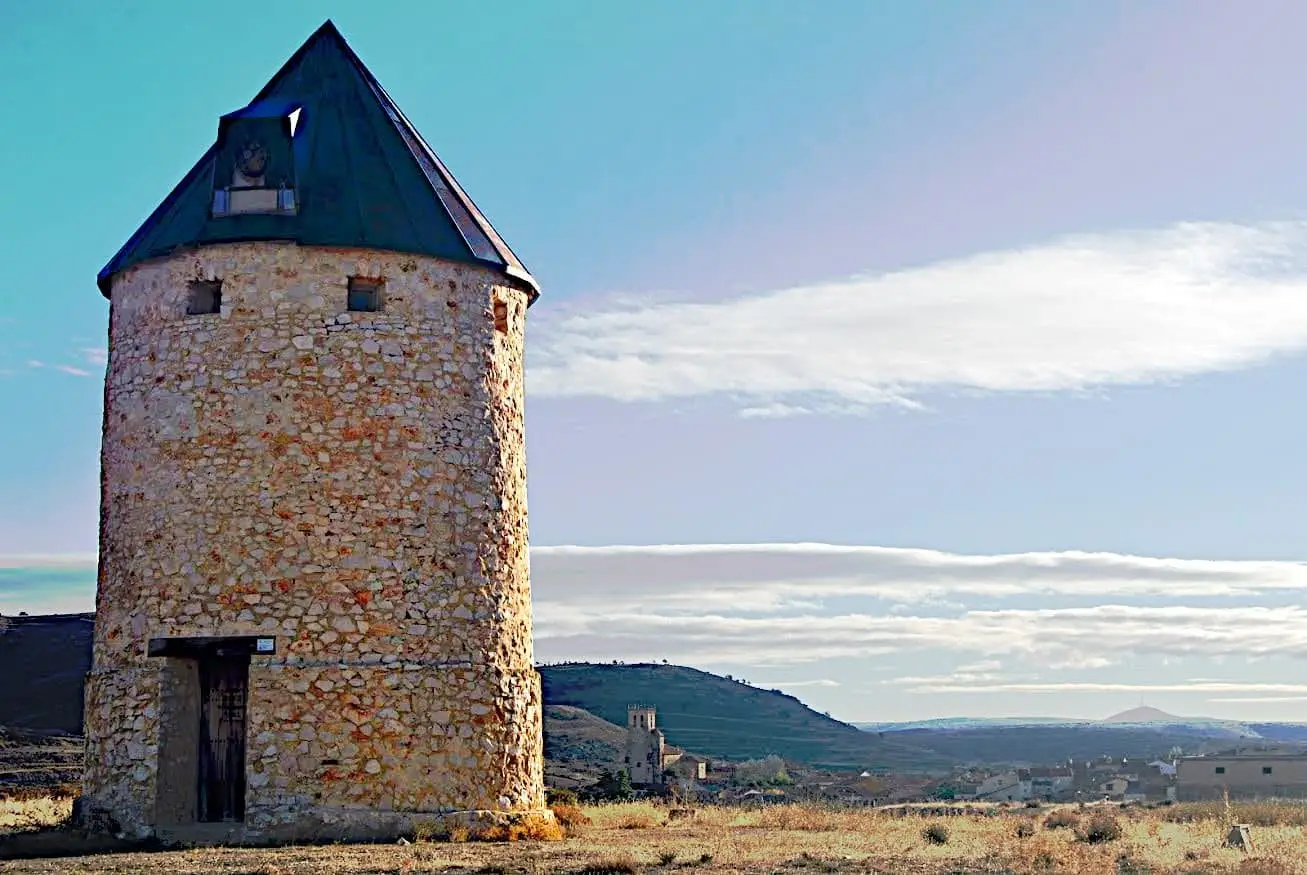
Alustante Windmill
Alustante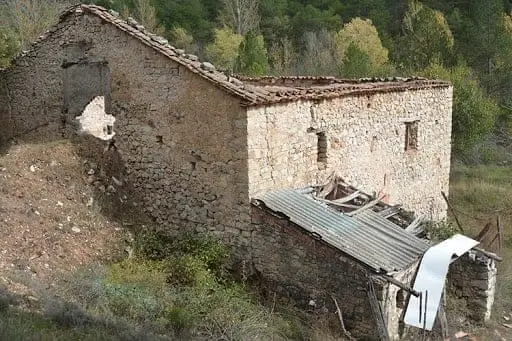
Batán Mill (Ocentejo) and the bridge blown up by the French
OcentejoMilmarcos: manor houses, Mannerist altarpiece, and a theatre of a prosperous town
MilmarcosPardos mines: Mina Estrella and its copper minerals
PardosCasa de los Utrera: the Baroque palace of Tartanedo
Tartanedo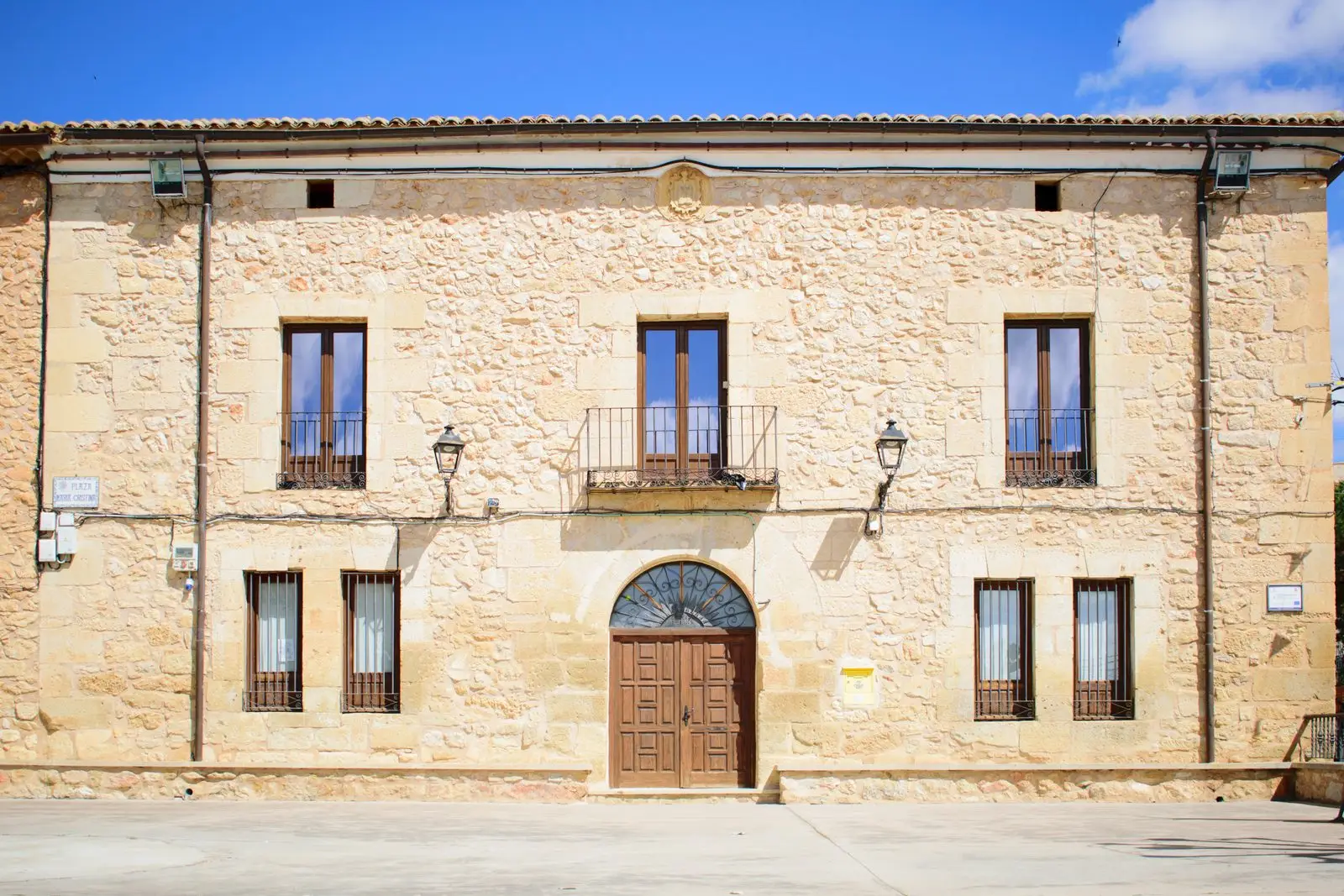
Molina-style manor houses of Tortuera
TortueraBlazoned mansions of Peralejos de las Truchas
Peralejos de las TruchasThe era on the map
450 million years ago – present
Before us
Before people, the Alto Tajo was a cold sea near the south pole, a forest buried by ash, a plain of red rivers, salt lagoons, and a tropical ocean; later the earth buckled and the Tagus carved through it. Each era left a rock that can still be seen today.
Upper Palaeolithic – Bronze Age
First traces
Before villages there were rock shelters. In the Cueva de los Casares, Upper Palaeolithic hunters engraved horses, stags, and human figures on the cave walls; at the Gallo shelters and Peña Escrita, later peoples left schematic painted signs on the stone.
7th – 1st centuries BC
Celtiberian hillforts
Settlements perched on spurs with defensive ditches, dry-stone ramparts, and fields of chevaux-de-frise stones. El Ceremeño, Peña Moñuz, and Castil de Griegos tell how people lived, defended themselves, and worked iron in Celtiberia before Rome.
1st – 4th centuries AD
Rome in the canyon
A double-tiered aqueduct in Zaorejas, perhaps linked to a mansio on the road between Laminium and Caesaraugusta, and the iron mining galleries of Cueva del Hierro: Rome arrived in the Alto Tajo in search of water, transport routes, and metal.
1129 – 15th century
The frontier and the Señorío
Borderland between Castile and Aragon, the Señorío de Molina was almost an independent kingdom: castles, watchtowers, a Cistercian monastery, and the salt pans of Armallá already recorded in the 12th-century charter of Manrique de Lara.
16th – 19th centuries
Salt, iron and timber
The Crown took control of the salt pans, ironworks drove tilt hammers with river water, and every winter thousands of logs floated down the Tagus toward Aranjuez guided by timbermen.
1860 – 1960
Resin, hooks and pastoral shelters
The century when the mountains sustained everyday life: resin tappers scoring pine trunks, shepherds sheltering under juniper-thatched chozones, lime kilns smoking beside villages. A world that faded within a single generation.
1936 – 1939
The frontline on the river
The canyon formed part of the Civil War frontline: positions atop the cliffs, guarded river crossings, and bunkers. The memory of the war also encompasses the Molina guerrillas, forestry labor, and local families. The Upper Tajuña valley traces this history on the western flank.
1950 – present
Villages that emptied
Reservoirs severed the river to floating timber, motor trucks retired the muleteers, and villagers migrated to Madrid, Valencia, or Barcelona. Some hamlets were abandoned completely; others endure with a handful of year-round residents.